



Alloy Steel Plate
Why Choose Us
We Are 100% Factory
We are a professional manufacturer with many years of experience, offering a one-stop packaging solution from design and production to shipping.
Professional Service
We accept factory and goods inspections at any time. We also offer technical discussions, research and development of new products, and comprehensive after-sales service.
Our Products
Our main products include shipbuilding steel plates, wear-resistant steel plates, corten steel plates, pressure vessel steel plates, alloy steel plates, and low alloy steel plates.
Quality Assurance
We utilize state-of-the-art equipment, experienced designers, and skilled workers. Our advanced production management experience and strict quality management standards ensure high quality. OEM and ODM services are available, and we can provide samples upon request.
What is Alloy Steel Plate?
Alloy steel plate is a type of steel plate that is made from a high-strength alloy material. It is typically used in applications where high strength, toughness, and wear resistance are required, such as in the construction of heavy equipment, machinery, and structures. The alloying elements used in the production of alloy steel plates may include manganese, chromium, nickel, molybdenum, and vanadium, among others, which are added to improve the mechanical and chemical properties of the steel.


Characteristics Of Structural Alloy Steel Plate
Strength
Structural alloy steel plates have excellent strength, making them excellent in withstanding heavy loads and compression. This makes it a highly demanding structural support material that can be used in engineering projects such as bridges, buildings, and ships.
Corrosion resistance
The corrosion resistance of alloy steel plates enables their long-term use in harsh environmental conditions. This characteristic is critical for projects with high durability requirements such as offshore engineering and oil and gas exploitation platforms.
Toughness
Structural alloy steel plates have excellent toughness, which means that they can maintain their shape and performance even under extreme conditions. This makes it perform well in earthquakes or other natural disasters.
Weldability
Due to the design of structural alloy steel plates, they have good weldability, making the manufacturing and repair processes more convenient.
Reasons Why You Must Choose Alloy Steel Plates


Durability – Alloy steel plates exhibit great durability, which is why they are well-suited for use in heavy-duty industrial applications. This makes them ideal for projects that require heavy loads or require materials withstanding high levels of stress and strain.
Strength – Alloy steel plates have high tensile strength and can withstand extreme temperatures. This makes them perfect for use in areas prone to extreme weather conditions or high levels of heat and pressure. They can be used in applications where frequent loading and unloading occurs without damage to the material.
Corrosion Resistance – Alloy steel plates are highly resistant to corrosion. This resistance is essential when used in applications where there may be contact with water or other chemicals. Such contact could cause rusting or damage to the material over time. This makes them an ideal material for use in steam plants, chemical plants, power plants, or any other application where corrosive substances may be present on a regular basis.
Weldability – Alloy steel plates boast excellent weldability properties due to their low carbon content. This means they can be easily welded together with other pieces of metal to create structures suitable for different types of industrial applications. For example such as machinery components and bridges.
Machinability – Thanks to their low carbon content, Alloy Steel 204 GR A Plates can be machined effortlessly into complex shapes. This feature makes them an ideal choice when precision parts need to be made quickly and efficiently. The quality or accuracy during the machining process is not compromised.
Cost-Effective – Alloy steel plates are affordable compared to other metals such as stainless steel. This makes them a great option if you’re looking for a cost-effective solution for your project. This is without sacrificing quality or performance levels expected from higher-end materials like stainless steel alloys or titanium alloys.
Versatility – The versatility of ASTM A204 alloy steel plates makes them suitable for use in many different types of industrial applications. They can adapt easily depending on project requirements. They do not compromise on performance levels, which are expected from higher-end materials like stainless steel alloys or titanium alloys.
Low Maintenance – With its low maintenance requirements, alloy steels require minimal upkeep compared with other materials such as stainless steel. This reduces labor costs associated with regular maintenance. It also ensures that your project stays looking good while still performing optimally over time.
Environmentally Friendly – As an eco-friendly metal, alloy steels can help reduce your overall environmental impact when used instead of other less sustainable materials such as aluminium alloys. This helps protect our natural resources and reduces your company’s carbon footprint significantly over time.
Recyclable – When it comes time for disposal, alloy steel is 100% recyclable. This means that it can be melted down into new products once its lifespan has come to an end. This ensures that no valuable resources go unused while also reducing waste going into landfills and helping protect our environment from unnecessary pollution.
Common Uses Of Alloy Steel Plates
Factors Affecting Alloying
Alloying elements of carbon steel may alter its properties in some ways. An alloy may affect the microstructure, temperature, and mechanical properties of materials. High-speed computers can predict how steel will behave when it is cold rolled, hot rolled, or alloyed based on its properties and microstructure.
Building Massive Structures With The Technology
Alloy Steel Plates are often used in architecture and construction as steel structures for larger projects such as runways, bridges, buildings, and fairgrounds. Such massive buildings can only be maintained with alloy steel because of their high power.
Construction of bridges: Applications
In addition to weathering steels, there are special alloy steels that offer better corrosion resistance. These steels are enriched with nickel, copper, and chromium, which provide corrosion resistance. Weathering steel lends a more aesthetic appearance to structures when used on their faces.
Transportation
The reason alloy steel plates is used for transportation is that it can endure harsh temperatures; unlike normal steel, which loses strength after long exposure to extremes of heat and cold, alloy steel retains its strength no matter how hot or cold it may be. In this way, it makes sense to use it in things such as vehicle engines, which heat up as they work.
Flanges Made Of Alloy Steel
Stainless steel pipes commonly use flanges, another essential alloy steel product. Various flange configurations are available to fit a variety of applications.
Raw material selection
Select appropriate metal elements and carbon content to ensure that the material has the required characteristics.
Melting
Heat the raw materials to a high temperature to melt and mix evenly.
Refining
Remove impurities through the smelting and refining process to ensure the purity of the alloy.
Rolling
Rolling the melted alloy blocks into the required plate thickness through a rolling mill.
Heat treatment
Heat and cool the steel plate to adjust its crystal structure and hardness.
Surface treatment
Apply rust prevention, coating, or other surface treatments to improve the durability of the steel plate.
Quality testing
Conduct strict quality testing on finished products to ensure they meet standards and specifications.
How High-Strength Alloy Steel Plates Revolutionize The Construction Industry
These steel plates are like the hefty weightlifters of the construction world but without the weighty parts. These would handle a large amount of weight, perfect for great projects like bridges or sky-high buildings. The best of it all is. They do so without being too heavy, making everything from transportation to construction more accessible and cheaper.
Durability is another one of their standout traits. High-strength alloy steel endures harsh weather and wears better than traditional ones. It also bears outstanding resistance to wearing out under typical loads. Its application in building buildings and bridges means there will be far safer structures and require much less maintenance over time. In some ways, it is like having a superhero shield against rust, cracks, and breakage.
Think of it as working with clay that can take any shape, but it’s still in the end. That’s almost what working with these steel plates is about. They may be cut, bent, and welded into elaborate shapes and designs. This flexibility gives the architects and engineers another world of creativity, making it possible for the most innovative and modern building structures ever imagined.
Using high-strength alloy steel plates is also a win for the planet. They are solid and light, using less material for the same job; this means not a lot of mining or waste and, therefore, an overall small carbon footprint. They are durable; no further environmental impact would be there because of this, meaning less need for replacement or repair.
While these steel plates have a higher cost of entry, they eventually actually translate into some cost savings when all has been said and done. The savings can be achieved due to their strength and lightness, which reduces other costs in construction, such as work on the foundation and transport. Durability saves the cost spent on maintenance and repairs.
Composition of Alloy Steel Plates
Alloy steel plates are made by mixing various elements, such as aluminium, chromium, nickel, and molybdenum, to change the physical properties of steel. The common elements used in alloy steel plates and their respective properties are given below:
Chromium
Increases strength, hardness, and corrosion resistance.
Molybdenum
Increases tensile strength, hardness, and resistance to wear and tear.
Manganese
Increases tensile strength, hardenability, and wear resistance.
Nickel
Increases corrosion resistance, ductility, and toughness.
When selecting and using steel plates, you first need to consider the material and specifications. Different projects require steel plates of different specifications and materials, so you must carefully check the product parameters when purchasing to ensure that the selected steel plates meet the engineering requirements. Secondly, in the process of transportation and handling, to avoid collision and damage, so as not to affect its use effect. When storing the steel plate, keep it ventilated and dry, away from fire and chemical corrosion to ensure that the quality of the steel plate is not affected.
When using steel plates, pay attention to safety issues. Operators are required to wear standard protective equipment, such as helmets, gloves, etc., to ensure a safe working environment. Since the steel plate has a certain weight and hardness, attention should be divided equally when handling, and appropriate mechanical equipment or appliances should be used to avoid accidental injury. In addition, when processing and welding steel plates, operators must strictly follow the safety operation procedures to ensure the safe and smooth production process.
Our Factory

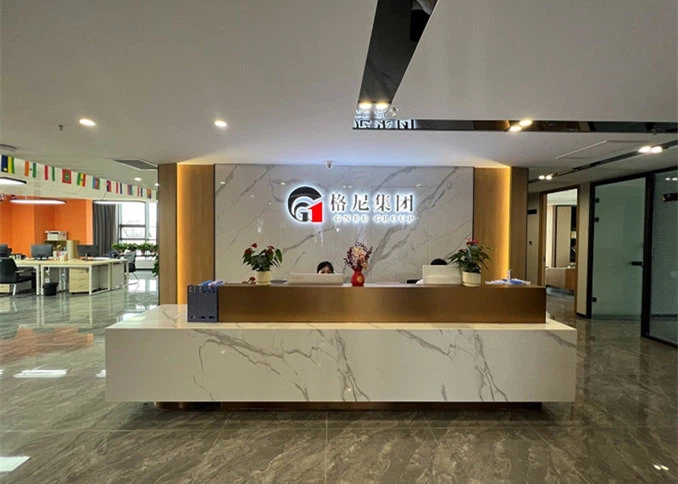
We have established long-term cooperative relationships with dozens of factories in China to ensure that our products are manufactured using high-quality materials and in sync with various international standards, with an annual export volume of more than 80,000 tons. Gnee Group is committed to becoming the world's most internationally competitive supply chain group, meeting the different needs of different customers, and truly realizing: one-stop service, making choice easier.
FAQ