



Zirconium Alloys
Our goal is to become your true partner in the field of zirconium alloys in China. Gnee Steel Group is committed to becoming the world's most internationally competitive supply chain group, meeting the different needs of different customers. We have a skilled engineering team dedicated to refining every stage, from product development and process improvement to production oversight, ensuring every product delivered meets rigorous quality and performance standards. The price is competitive and the product is quality-assured, which is a good choice for your long-term cooperation.

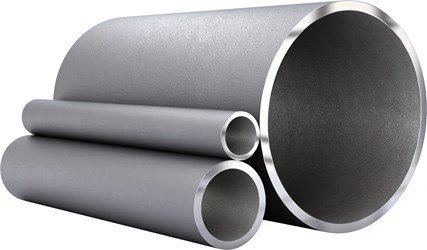
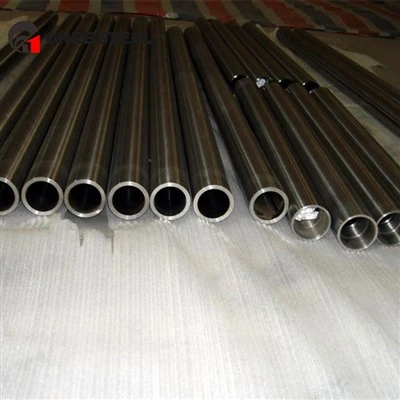
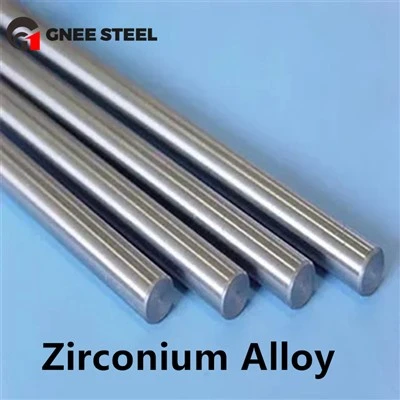
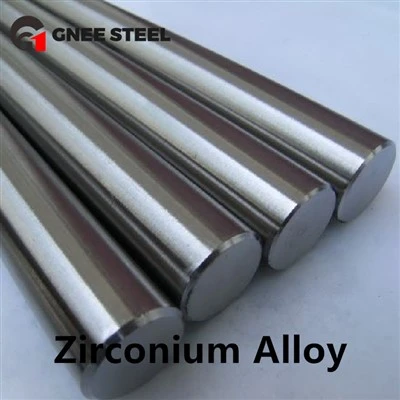
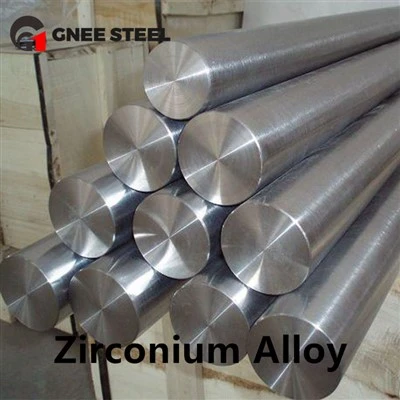
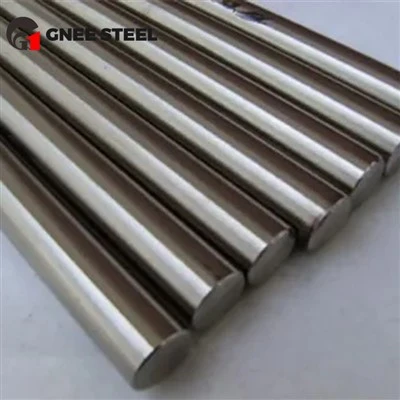


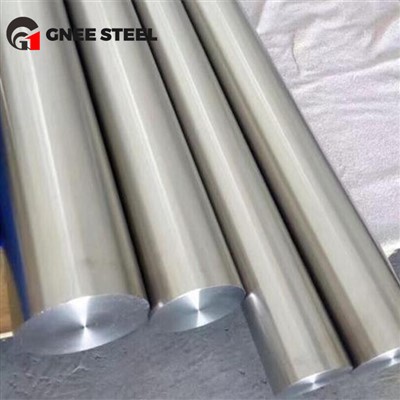
Our services:
In the pre-sales stage, our team of experts will recommend the most suitable products according to the needs of customers and provide detailed technical consultation. During the sales period, we ensure timely delivery and provide installation guidance. For after-sales, we provide long-term technical support, warranty services and spare parts to help customers maximize the use of products and get reliable maintenance during use.
Our certification:
Our company has obtained SGS certification. We have also passed ISO9001 and ISO14001 environmental management system certification.
Our capacity:
We have established long-term cooperative relationships with dozens of factories to ensure the production of our products, and our annual export volume exceeds 80,000 tons.
Quality control:
All our products are made of the highest quality materials and are subject to factory inspection, cargo inspection at any time.
Advantages of Zirconium Alloys
Outstanding corrosion resistance: The hallmark feature of zirconium alloy is its remarkable corrosion resistance. This property stems from a fascinating phenomenon: The formation of a stable, self-healing oxide layer on the alloy's surface.
High strength-to-weight ratio: Another standout property of zirconium alloy is its impressive strength-to-weight ratio. This characteristic makes it particularly attractive for applications where weight reduction is a top priority, such as in the aerospace industry. The alloy offers:
Excellent structural strength: Lightweight, reducing overall mass and fuel consumption. Durable, withstanding the rigors of use in demanding environments.
Thermal stability: Zirconium alloy exhibits remarkable thermal stability, maintaining its structural integrity and mechanical properties even at elevated temperatures.
Biocompatibility: The alloy's non-toxic nature and resistance to bodily fluids make it an excellent choice for medical applications.
Low neutron absorption: Zirconium alloy's low neutron absorption properties make it invaluable in nuclear applications. It's commonly used in nuclear reactor components, such as fuel rod cladding, where minimal interference with neutron flow is crucial for efficient reactor operation.
Wear resistance: The material's excellent wear resistance contributes to its durability and longevity in various applications. When combined with its corrosion resistance, this property makes zirconium alloy ideal for components subjected to harsh environments and continuous wear.
Specification of Zirconium Alloys
|
Catalog No. |
ZR1422 |
|
Size |
-60 mesh,-80 mesh,-200 mesh or According to the cu |
|
Material |
Zirconium Aluminum Alloy |
|
CAS Number |
12251-96-6 |
|
Appearance |
Powder, Ignot |
Types of Zirconium Alloys
Zirconium-hafnium alloy (zr-hf):
Typically contains about 1-3% hafnium by weight. This alloy combines the excellent corrosion resistance of zirconium with the high melting point of hafnium. It has a low neutron absorption cross-section, making it ideal for use in nuclear reactors.
Zirconium-niobium alloy (zr-nb):
Contains varying proportions of niobium, typically up to 30%. This alloy exhibits enhanced mechanical properties, such as increased strength and toughness. It also offers excellent corrosion resistance, particularly in acidic and alkaline environments.


Zirconium-titanium alloy (zr-ti):
Includes up to 10% titanium by weight. Zirconium-titanium alloys offer improved mechanical strength and stability over pure zirconium. They also enhance the alloy's resistance to oxidation and corrosion. The alloy maintains good performance at high temperatures and in aggressive chemical environments.
Zirconium-molybdenum alloy (zr-mo):
Contains a significant amount of molybdenum, often around 10-20% by weight.This alloy combines zirconium’s corrosion resistance with molybdenum’s high-temperature strength and stability.
Application of Zirconium Alloys
Nuclear sector:
In the realm of nuclear energy, these alloys play a critical role. Their remarkable resistance to corrosion and neutron absorption renders them indispensable in nuclear reactors, particularly for fuel cladding and structural components.
Chemical processing:
Beyond the nuclear sector, zirconium alloys find extensive utilization in chemical processing. Their innate resistance to aggressive chemicals makes them a go-to choice for equipment and machinery in chemical plants, safeguarding against corrosion and ensuring the integrity of processing systems.
Aerospace and aviation:
In the aerospace and aviation domains, these alloys contribute significantly to the development of lightweight, high-strength components. From aircraft engines to structural materials, zirconium alloys aid in enhancing performance while maintaining durability, crucial for the stringent demands of aviation.
Marine uses:
Furthermore, in marine engineering, zirconium alloys act as shields against corrosion in harsh marine environments. Their robustness and resilience make them invaluable in shipbuilding and the construction of offshore structures.
The Manufacturing Process Of Zirconium Alloys
Extracting and preparing the raw material: The first step in making zirconium alloy is to extract zirconium from the mineral called zircon (zrsio4).
Purifying the zirconium: After extracting and preparing the zirconium concentrate, the next step is to purify it. This is important because zirconium naturally contains another element called hafnium, which must be removed for many applications, especially in nuclear reactors.
Creating the zirconium alloy: Once the zirconium is purified, it’s time to turn it into an alloy. An alloy is a mixture of metals, and zirconium alloys often include small amounts of metals like tin, niobium, iron, or chromium.
Shaping the alloy: The zirconium alloy ingots are then shaped into the desired forms, such as rods, tubes, or sheets. This is done through several processes:
Hot working: The ingots are heated and then shaped using tools like rollers or hammers. Hot working makes the metal easier to shape without cracking.
Heat treatment and surface finishing: Once the alloy is shaped, it undergoes heat treatment to enhance its properties. Heating the alloy and then slowly cooling it to remove internal stresses and make it stronger.
Quenching: Rapidly cooling the alloy after heating to lock in certain properties, like hardness.
Packing and Shipping of Zirconium Alloys
|
Packing |
Standard export packing (inside:water proof paper,outside:steel covered with strips and pallets) |
|
Shipping |
Shipped by road, sea, rail |
Other Service of Zirconium Alloys
|
Delivery time |
7 to 15 working days |
|
Payment terms |
30%TT for deposit, 70% balance before shipment or LC at sight |
|
Supply ablitity |
10000 Ton/ per Month |
FAQ