



Nickel Alloys
Our goal is to become your true partner in the field of nickel alloys in China. Gnee Steel Group is committed to becoming the world's most internationally competitive supply chain group, meeting the different needs of different customers. We have a skilled engineering team dedicated to refining every stage, from product development and process improvement to production oversight, ensuring every product delivered meets rigorous quality and performance standards. The price is competitive and the product is quality-assured, which is a good choice for your long-term cooperation.
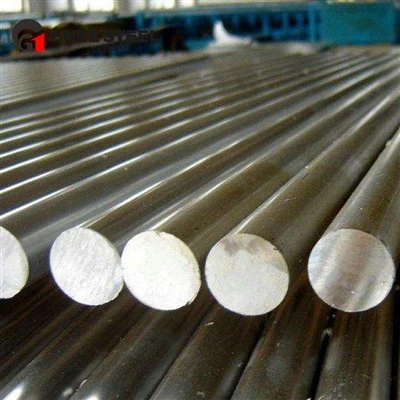
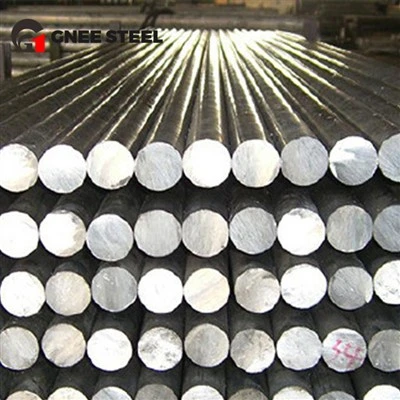
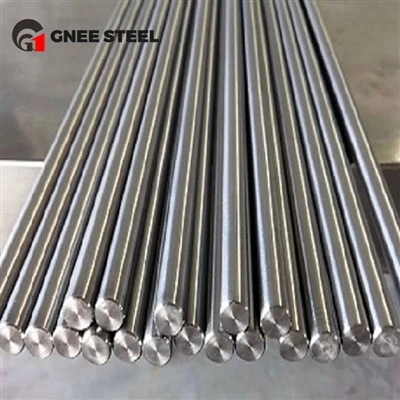
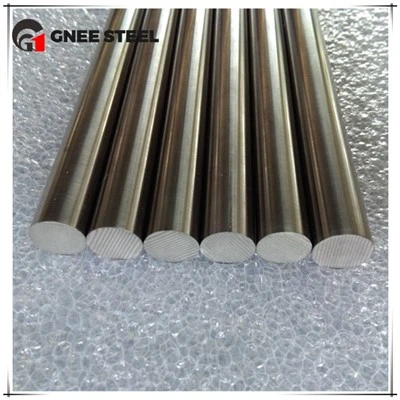
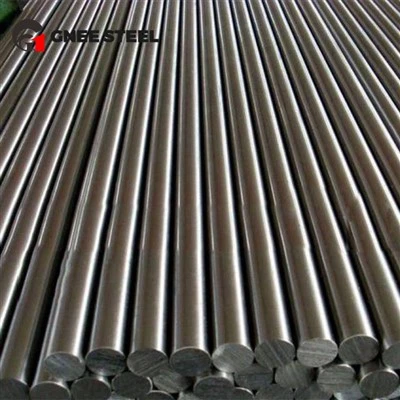


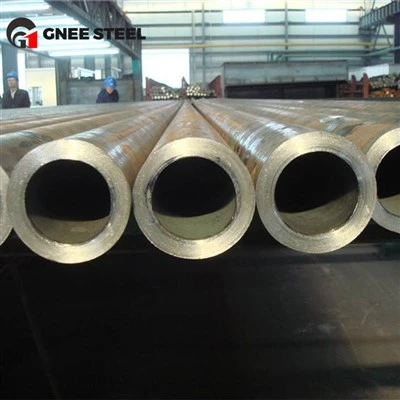


Our services:
In the pre-sales stage, our team of experts will recommend the most suitable products according to the needs of customers and provide detailed technical consultation. During the sales period, we ensure timely delivery and provide installation guidance. For after-sales, we provide long-term technical support, warranty services and spare parts to help customers maximize the use of products and get reliable maintenance during use.
Our certification:
Our company has obtained SGS certification. We have also passed ISO9001 and ISO14001 environmental management system certification.
Our capacity:
We have established long-term cooperative relationships with dozens of factories to ensure the production of our products, and our annual export volume exceeds 80,000 tons.
Quality control:
All our products are made of the highest quality materials and are subject to factory inspection, cargo inspection at any time.
Advantages of Nickel Alloys
Corrosion resistance: Nickel alloys are highly resistant to corrosion, making them ideal for applications in corrosive environments such as chemical processing and marine industries.
High strength: With their excellent strength, especially at elevated temperatures, nickel alloys can ensure structural integrity in demanding conditions.
Heat resistance: Nickel alloys can withstand high temperatures without losing their mechanical properties, making them suitable for use in aerospace, power generation and high-temperature processing industries.
Versatility: Nickel alloys can be tailored to specific requirements by adjusting their composition, making them versatile for various applications.
Low thermal expansion: With their low thermal expansion coefficients, nickel alloys can maintain their shape and dimensions at different temperatures- reducing the risk of warping or distortion.
High electrical conductivity: Some nickel alloys have exceptional electrical conductivity, making them suitable for electrical and electronic applications.
Chemical Composition of Nickel Alloys
|
Carbon (C) |
Copper (Cu) |
Iron (Fe) |
Nickel (Ni) |
Phosphorus (P) |
Lead (Pb) |
Sulpher (S) |
Silicon (Si) |
Manganese (Mn) |
|
|
Min |
|
28.0 |
|
63.0 |
|
|
|
|
|
|
Max |
0.30 |
34.0 |
2.5 |
|
0.030 |
0.005 |
0.024 |
0.5 |
2.00 |
Types of Nickel Alloys


Nickel-iron alloys: Nickel-iron alloys function in applications where the desired property is a low rate of thermal expansion.
Nickel-copper alloys: Nickel-copper alloys are very resistant to corrosion by salt water or seawater and thus find application in marine applications.
Nickel-molybdenum alloys: Nickel-molybdenum alloys offer high chemical resistance to strong acids and other reducers such as hydrochloric acid, hydrogen chloride, sulfuric acid, and phosphoric acid.
Nickel-chromium alloys: Nickel-chromium alloys are prized for their high corrosion resistance, high-temperature strength, and high electrical resistance.
Nickel-chromium-iron alloys: Nickel-chromium-iron alloys combine these elements to produce alloys that resist oxidation and high-temperature corrosion.
Nickel-chromium-molybdenum alloys: With similar applications to nickel-molybdenum alloys, nickel-chromium-molybdenum alloys also provide high corrosion resistance especially with regard to reducing acids such as hydrochloric acid and sulfuric acid.
Nickel-chromium-cobalt alloys: These alloys of nickel add chromium and molybdenum to add creep rupture strength to the alloy.
Nickel-titanium alloys: Nickel-titanium alloys feature shape retention of shape memory properties. By forming a shape from this alloy at a higher temperature and them deforming it from that formed shape at a lower temperature, the alloy will remember the initial shape and reform to that shape once heated to this so-called transition temperature.
Application of Nickel Alloys
Aerospace: Nickel alloys are used in aircraft components, engine parts and aerospace equipment due to their high strength, corrosion resistance and heat resistance.
Chemical processing: Nickel alloys are employed in chemical reactors, pipelines and equipment for their resistance to corrosive chemicals and acids. In chemical manufacturing, nickel alloys are used for reactor vessels, heat exchangers and pipes.
Petrochemical: In the petrochemical industry, nickel alloys are used for valves, heat exchangers, and piping systems to withstand aggressive environments.
Marine: Marine applications include shipbuilding, offshore platforms and seawater handling equipment due to nickel alloys’ resistance to seawater corrosion.
Power generation: In power plants, nickel alloys are used in turbines, heat exchangers and boiler components that operate at high temperatures.
Oil and gas: Nickel alloys find application in drilling tools, wellhead components and downhole equipment due to their resistance to sour gas and high-pressure environments. In mining applications, nickel alloys are used in tools, drilling equipment and conveyor systems due to their wear resistance.
Nuclear: Nickel alloys are deployed in nuclear reactors and spent fuel storage due to their resistance to radiation and high-temperature stability.
Automotive: Employed in exhaust systems, turbochargers and engine components, nickel alloys can improve performance and durability.
The Manufacturing Process Of Nickel Alloys
Alloying processes: Using electric arc, air induction, vacuum induction melting, mechanical alloying.
Rolling/reworking: Hot working: Forging, hot rolling and extrusion. Cold working: Rolling, drawing and pilgering.
Refining/cleaning: Acid pickling, vacuum refining, vacuum arc and electroslag remelting.
Full annealing: Complete annealing, spherification annealing, recrystallization annealing, stress annealing.
Wire drawing: Cold drawing, hot drawing, metal forming.
Annealing: Online annealing, isothermal annealing, incomplete annealing, diffusion annealing, stress relief annealing.
Quality control: Tensile testing, hardness testing, elasticity testing, micro structure inspection, purity assaying, mechanical testing, dimension testing.
Packing and Shipping of Nickel Alloys
|
Packing |
Standard export packing (inside:water proof paper,outside:steel covered with strips and pallets) |
|
Shipping |
Shipped by road, sea, rail |
Other Service of Nickel Alloys
|
Delivery time |
7 to 15 working days |
|
Payment terms |
30%TT for deposit, 70% balance before shipment or LC at sight |
|
Supply ablitity |
10000 Ton/ per Month |
FAQ