

GB/T 6653 HP325 steel is a high-strength, low-alloy steel specifically engineered for welded gas cylinders. Its core advantage lies in the perfect balance of ≥325MPa yield strength, excellent formability, weldability, and impact toughness.
This unique combination makes it the material of choice for manufacturing high-pressure, heavy-duty pressure vessels across residential, commercial, and industrial sectors.
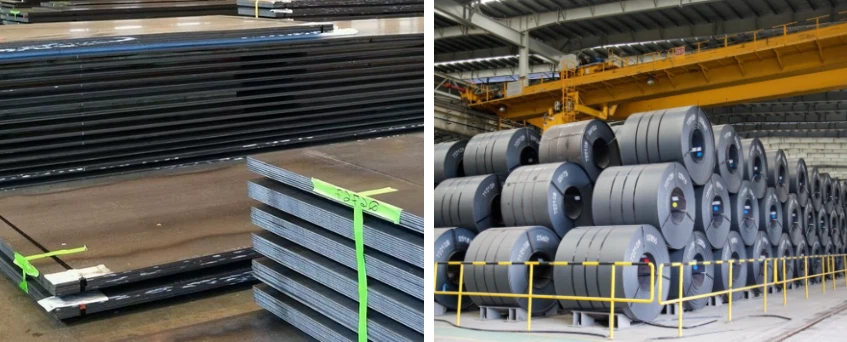
Core Application of HP325 Steel : Welded Gas Cylinders
HP325 is predominantly used to fabricate welded steel cylinders for storing and transporting high-pressure liquefied or compressed gases. Its higher strength compared to HP295 allows for safer operation at elevated pressures.
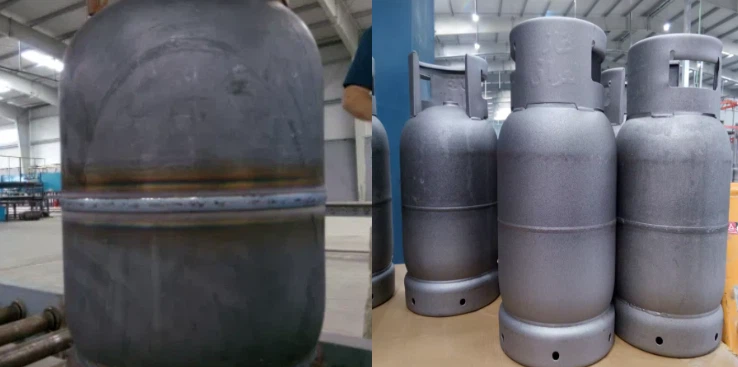
Liquefied Petroleum Gas (LPG) Cylinders:
- Industrial & Commercial: Large-scale 45kg, 50kg, and 100lb (DOT-4BW standard) cylinders for manufacturing, construction, and catering.
- Automotive: Fuel cylinders for Autogas (LPG) vehicles, forklifts, and marine engines.
- Residential: Large-format cylinders for central heating and bulk supply.
Industrial Gas Cylinders:
- Fuel Gases: Acetylene, Propane, and Propylene cylinders.
- Industrial Process Gases: High-pressure vessels for Carbon Dioxide (CO₂), Nitrogen (N₂), and Argon (Ar) used in welding, metal fabrication, and food processing.
Specialty & High-Pressure Vessels:
- Fire extinguishers (pressure-stored types) and pneumatic pressure accumulators.
- Portable pressure vessels for water jetting and hydraulic systems
Expanded Industrial & Engineering Applications of HP325
Beyond gas cylinders, HP325's robust mechanical properties and weldability have led to its adoption in other structural and pressure-containing components:
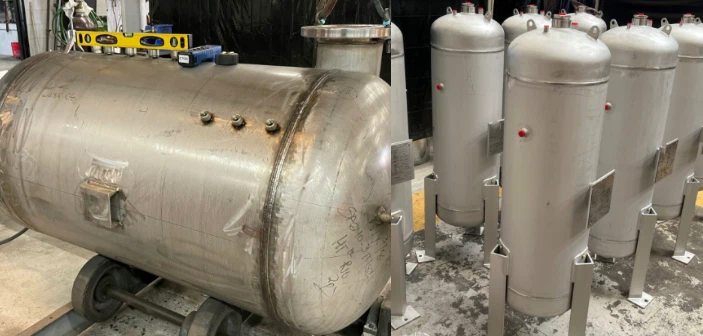
Pressure Vessels & Boiler Components:
- Small to medium-sized pressure vessels and auxiliary boiler parts that require high strength and good fatigue resistance.
Structural & Heavy Machinery Parts:
- Structural components for construction machinery, mining equipment, and cranes that demand a high strength-to-weight ratio.
- Automotive chassis parts, truck frames, and suspension components.
Specialized Steel Structures:
- High-strength storage tanks, pipe supports, and safety barriers.
- Custom-fabricated safety enclosures and high-pressure tool housings.
GB 6653 HP325 gas cylinder steel coils/sheets/plates chemical composition
|
C max |
Si max. |
Mn max. |
P max. |
S max. |
Alt min. |
|
0.20 |
0.35 |
1.00 |
0.025 |
0.015 |
0.020 |
GB 6653 HP325 gas cylinder steel coils/sheets/plates mechanical properties
|
Yield strength (≥Mpa) |
Tensile strength (Mpa) |
Elongation in ≥,% |
|
|
325 |
490-600 |
<3mm |
≥3mm |
|
18 |
22 |
||
Why Choose HP325 Over Other Grades?
- Superior Pressure Rating: Handles higher working pressures (typically up to 1.6–2.5 MPa) than HP295, ideal for heavy-duty industrial use.
- Cost-Effective Strength: Delivers greater load-bearing capacity than lower grades without the significant cost premium of ultra-high-strength steels like HP345.
- Manufacturing Efficiency: Maintains excellent cold formability and weldability despite its high strength, ensuring efficient production.
Conclusion
For projects demanding uncompromising safety and performance in high-pressure environments, GB/T 6653 HP325 steel stands as the superior and most cost-effective solution.
Whether you are manufacturing large industrial LPG cylinders, automotive fuel tanks, or specialized pressure equipment, GNEE's premium HP325 steel ensures compliance with stringent international standards (GB, DOT, EN) and delivers unmatched reliability.
Contact GNEE Steel today for a customized quote on HP325 steel plates, coils, or cut-to-size parts. Our technical team is ready to support your material selection and optimize your supply chain for maximum efficiency and safety.
FAQ
Q: Which international standards are equivalent to your HP325 steel plates?
A: HP325 (GB 6653) is commonly considered equivalent to Japanese SG295 (JIS G3116), European P265NB (EN 10120), and ASTM A516, ensuring it meets most global safety regulations for pressure vessels.
Q: Do you provide a Mill Test Certificate (MTC) for HP325 shipments?
A: Yes, every order of HP325 steel for welded LPG cylinders is accompanied by an MTC according to EN 10204 3.1, detailing the chemical analysis, mechanical tests, and heat number for full traceability.
Q: What is the actual yield strength of GNEE's HP325 steel?
A: While the standard requirement is ≥ 325 MPa, GNEE ensures our HP325 consistently meets or exceeds this value, providing an extra margin of safety for high-pressure applications.
Q: Does HP325 steel meet the requirements for ISO 4706 gas cylinder manufacturing?
A: Yes, our material properties and manufacturing processes are aligned with ISO 4706 and EN 1442, which are the primary benchmarks for welded steel gas cylinders.
Q: Can I request a third-party inspection (SGS/BV) for my HP325 steel order?
A: Absolutely. GNEE welcomes third-party inspections from SGS, Bureau Veritas, or TUV to verify the quality, quantity, and packaging of the HP325 steel plates before they leave our factory.
Q: Is HP325 steel resistant to brittle fracture in cold environments?
A: Yes, the fine-grain structure of our HP325 steel provides excellent toughness, ensuring the LPG cylinder can safely withstand impacts even in cold climates.
Q: Does GNEE monitor the grain size of HP325 steel during production?
A: Yes, we ensure a fine grain size (typically Grade 7 or finer) through controlled rolling, which is critical for balancing the strength and deep-drawing performance of the steel.
Q: How is the burst test performance of cylinders made from HP325 steel?
A: Due to its high tensile strength (490-610 MPa), cylinders made from GNEE's HP325 steel exhibit excellent plastic deformation during burst tests, preventing sudden or brittle explosions.
Q: Does your HP325 steel comply with the European PED (Pressure Equipment Directive)?
A: Our HP325 steel is manufactured according to rigorous standards that align with the material requirements of the PED, facilitating your certification process in European markets.
Q: What are the thickness tolerances for HP325 steel plates for welded LPG cylinders?
A: We follow strict international standards for thickness tolerances, ensuring the steel is consistent enough for automated deep-drawing and welding machines.


