

What are the typical application fields of ASME SA387 Grade 22 Class 2?
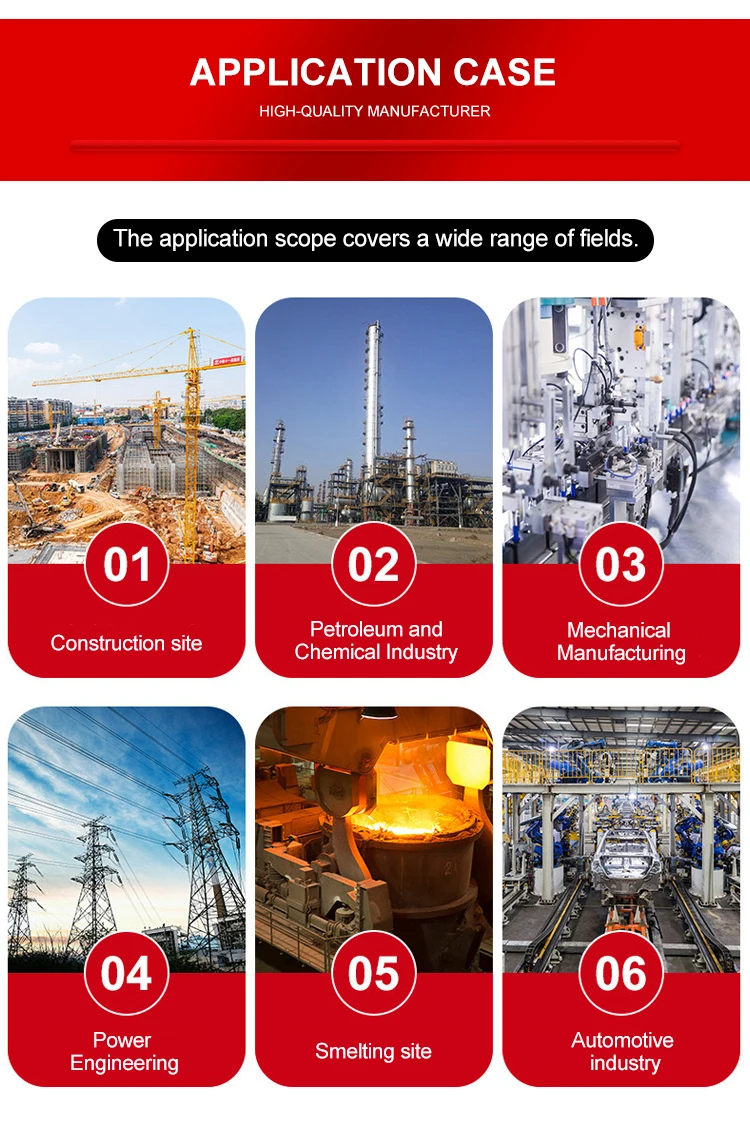
ASME SA387 Grade 22 Class 2 is a Cr-Mo alloy steel primarily for high-temperature, high-pressure applications, commonly used in welded boilers, pressure vessels, heat exchangers, piping, and flanges for industries like Oil & Gas, Petrochemical, Power Generation, and Chemical Processing, valued for its excellent oxidation/corrosion resistance and high-temperature strength.

ASME SA387 Grade 22 Class 2 is an advanced "Chrome-Moly" steel plate designed for high-stress industrial applications. It is the material of choice for engineers requiring a combination of high-temperature durability and chemical stability in corrosive atmospheres.
Operational Advantages
Thermal Endurance: Maintains structural stability and mechanical toughness at service temperatures reaching 600°C (1112°F).
Hydrogen Service: Highly resistant to Hydrogen-Induced Cracking (HIC) and sulfide stress corrosion, making it ideal for sour gas environments.
Fabrication Excellence: While offering high strength, the material remains weldable, provided that proper Pre-heat and Post-Weld Heat Treatment (PWHT) protocols are strictly followed.
Compositional Limits
Silicon (Si): Controlled to a maximum of 0.50% to ensure stability.
Manganese (Mn): Range of 0.30% to 0.60% to improve hardenability and grain structure.
Reduction of Area: Minimum 45% (Round), indicating excellent material ductility under load.
Key Characteristics
Material Type: Chrom-Moly (Chromium-Molybdenum) Alloy Steel Plate.
Temperature Service: Designed for elevated and high-temperature applications.
Properties: Good high-temperature strength, oxidation resistance, and weldability.
Application Fieldwork
Refining Infrastructure: Used extensively in hydrocracking and catalytic reforming units within oil refineries.
Heat Transfer Systems: The standard material for high-capacity heat exchangers and pressure-bound piping systems.
What welding rod for ASME SA387 Grade 22 Class 2 ?
For ASME SA387 Grade 22 Class 2 (a 2.25% Cr-1% Mo alloy), you need a matching or superior low-alloy filler, typically an E8018-B2L (SMAW) or ER80S-B2 (GMAW/GTAW) electrode/wire, ensuring low hydrogen and matching the base metal's elevated temperature properties, with nickel-based options also suitable to prevent temper embrittlement, according to AWS A5.5/A5.5M and A5.28/A5.28M standards and common practice.
Is ASME SA387 Grade 22 Class 2 high speed steel?
No, ASME SA387 Grade 22 Class 2 is not high-speed steel; it's a chromium-molybdenum alloy steel specifically designed for high-temperature service in pressure vessels and boilers, offering excellent heat resistance, corrosion resistance, and weldability, unlike High-Speed Steels (HSS) used for cutting tools.
What is the composition of ASME SA387 Grade 22 Class 2 ?
ASME SA387 Grade 22 Class 2 is a chromium-molybdenum alloy steel for high-temperature pressure vessels, primarily composed of 2.00-2.50% Chromium (Cr) and 0.90-1.10% Molybdenum (Mo), with controlled amounts of Carbon, Manganese, Silicon, Phosphorus, and Sulfur, offering excellent strength and corrosion resistance in elevated temperatures.
Equivalents
| BS | EN | ASTM/ASME | DIN |
|---|---|---|---|
| 622-515B | 10CrMo910 | A/SA387-22-2 | 10CrMo910 |
Chromium & Molybdenum content (according to the ASTM specification):
| Designation | Nominal Chromium Content (%) | Nominal Molybdenum Content (%) |
|---|---|---|
| A387 Grade 22 | 2.25% | 1.00% |
Tensile Requirements for Class 2 Plates
| Designation | Requirement | Grade 22 |
|---|---|---|
| A387 Grade 22 | Tensile strength, ksi [MPA] | 75 to 100 [515 to 690] |
| Yield strength, min, ksi [MPa]/(0.2% offset) | 45 [310] | |
| Elongation in 8 in. [200 mm], min % | ||
| Elongation in 2 in. [50 mm], min, % | 18 | |
| Reduction of area, min % | 45 (measured on round specimen) 40 (measured on flat specimen) |
Chemical Requirements
| . | . |
|---|---|
| Carbon (C) | % |
| Heat Analysis: Product Analysis: |
0.05 - 0.15 0.04 - 0.15 |
| Manganese (Mn) | % |
| Heat Analysis: Product Analysis: |
0.30 - 0.60 0.25 - 0.66 |
| Phosphorus (P) | % |
| Heat Analysis: Product Analysis: |
0.035 0.035 |
| Sulphur (S) (Max) | % |
| Heat Analysis: Product Analysis: |
0.035 0.035 |
| Silicon (Si) | % |
| Heat Analysis: Product Analysis: |
0.50 max 0.50 max |
| Chromium (Cr) | % |
| Heat Analysis: Product Analysis: |
2.00 - 2.50 1.88 - 2.62 |
| Molybdenum (Mo) | % |
| Heat Analysis: Product Analysis: |
0.90 - 1.10 0.85 - 1.15 |
1What is the ASME SA387 Grade 22 Class 2 standard?
The ASME SA387 Grade 22 Class 2 standard specifies a chromium-molybdenum alloy steel plate for high-temperature pressure vessels and boilers, offering superior strength and corrosion resistance due to its 2.25% chromium and 1.00% molybdenum content, with Class 2 denoting higher tensile strength (75-100 ksi) and specific yield/elongation criteria (min 45 ksi yield, 18% elongation in 2") compared to Class 1.
2Is ASME SA387 Grade 22 Class 2 hard to drill?
Yes, ASME SA 387 Grade 22 Class 2 steel is considered challenging to drill compared to mild steel due to its chromium-molybdenum alloy composition, enhanced hardness (around 130-170 HB), and high tensile strength (75-100 ksi), requiring specific techniques like slower speeds, carbide bits, and sufficient coolant to manage heat and prevent tool wear from hard carbides.
3What does ASME SA387 Grade 22 Class 2 mean?
ASME SA387 Grade 22 Class 2 refers to a chromium-molybdenum (Cr-Mo) alloy steel plate for high-temperature pressure vessels, with Grade 22 indicating about 2.25% Chromium and 1% Molybdenum, providing excellent high-temp strength, oxidation, and corrosion resistance, while Class 2 specifies stricter mechanical properties, particularly higher tensile strength (75-100 ksi) than Class 1, making it ideal for demanding applications in oil & gas, power, and chemical processing.
4What is the P number of ASME SA387 Grade 22 Class 2?
For ASME SA387 Grade 22 Class 2, the material falls under P-Number 5, as it's a Chromium-Molybdenum alloy steel with 2.00-2.50% Cr and 0.90-1.10% Mo, grouping it with similar low-alloy steels in ASME Section IX for welding qualification, distinct from carbon steels (P-1) or higher-alloy grades.
5What are the primary advantages of ASME SA387 Grade 22 Class 2?
ASME SA387 Grade 22 Class 2 offers superior high-temperature strength, excellent corrosion/oxidation resistance (due to chromium and molybdenum), good weldability, and higher mechanical strength than Class 1, making it ideal for demanding pressure vessels, boilers, and heat exchangers in oil & gas, petrochemical, and power generation, resisting creep and harsh conditions up to around 600°C.
6What precautions should be taken when welding ASME SA387 Grade 22 Class 2?
When welding ASME SA387 Gr 22 Cl 2 (a chromium-molybdenum alloy), key precautions involve strict Preheat & PWHT (Post-Weld Heat Treatment) to prevent cold cracking, using low-hydrogen filler metals for clean welds, managing heat input to avoid cracking, ensuring cleanliness (no oil, paint, etc.), and employing proper ventilation and PPE, as it's a low-alloy steel prone to hydrogen-induced issues.
7How heavy is ASME SA387 Grade 22 Class 2?
ASME SA387 Grade 22 Class 2 refers to the mechanical strength properties of the steel (tensile and yield strength, elongation), not its inherent weight, but as a chromium-molybdenum alloy plate, it's a dense, heavy steel; its key strength is 75-100 ksi tensile strength (515-690 MPa) and 45 ksi minimum yield strength (310 MPa), indicating a strong material used for pressure vessels.
8Is ASME SA387 Grade 22 Class 2 carbon steel?
ASME SA387 Grade 22 Class 2 is a chromium-molybdenum (chrome-moly) alloy steel plate designed for high-temperature service in welded boilers, pressure vessels, and piping, offering excellent corrosion, oxidation, and temperature resistance, commonly used in oil, gas, and petrochemical industries, supplied normalized and tempered for improved strength and durability.
9What is the best way to cut ASME SA387 Grade 22 Class 2?
For cutting ASME SA387 Grade 22 Class 2 alloy steel, the best methods depend on thickness and precision needs, with Plasma Cutting, Waterjet Cutting, Laser Cutting, or Oxy-fuel Cutting (for thicker plates) being ideal for industrial applications, while mechanical saws (like bandsaws or circular saws with metal blades) work for smaller projects, always prioritizing safety and considering post-cut heat treatment if necessary due to its alloy content.
10What are common testing requirements for ASME SA387 Grade 22 Class 2?
ASME SA387 Grade 22 Class 2 requires mechanical tests like tensile strength (75-100 ksi), yield strength (min 45 ksi), and elongation (18% in 2 inches/50mm), plus chemical analysis (Cr-Mo alloy), and usually destructive tests (flattening, bend) and non-destructive testing (NDT) such as UT, ensuring it meets criteria for high-temperature pressure service like boilers and vessels. Key tests confirm its higher strength and ductility for demanding applications.
Get an valued quotation for ASME SA387 Grade 22 Class 2 , Contact GNEE Steel


