

What are the typical application fields of ASME SA387 Grade 22 Class 2?
ASME SA387 Grade 22 Class 2 steel is a chromium-molybdenum alloy primarily used in pressure vessels, boilers, and heat exchangers within the oil & gas, petrochemical, and power generation industries due to its excellent strength, ductility, and resistance to high temperatures and corrosion, including in sour gas environments. Key applications include reactors, piping, turbines, and other equipment needing reliable performance under elevated pressure and thermal stress.

The A387 Grade 22 Class 2 – a grade of chromium-molybdenum alloy – is mainly intended for use in pressure vessels and welded boilers, which are designed for use in elevated temperature service.
This steel grade has excellent heat resistance and anti corrosive/oxidation qualities, and is perfect for using in the oil, gas and chemical industry.
ASME SA387 Grade 22 Class 2 Plates can work at 600℃ temperatures. The chromium and molybdenum plates work continuously at different temperatures with excellent performance. Additionally, the molybdenum increases temperature and tensile strength. ASTM A387 has amazing oxidation and corrosion resistance by the lattice strain. This is an awesome choice for resistance to heat, preventing the resistance mediators from iron solutions. Alloy A387 has good weldability and durability. This alloy 387 is affectedly considered to meet all the customary qualities. ASTM A387 GR 22 CL 2 Plates are impeccable for ideal durability, leak-proof, and easy installation structures. We always make sure about the precious design and fabrications for the product.
Key Characteristics
Material Type: Chromium-Molybdenum (Cr-Mo) Alloy Steel.
Application: Primarily for welded boilers, pressure vessels, and piping in elevated temperature service.
Grade 22: Specifies the chromium (Cr) content, typically 2.00-2.50%.
Class 2: Denotes higher mechanical strength properties compared to Class 1.
Benefits: Good high-temperature performance, corrosion resistance, oxidation resistance, and weldability.
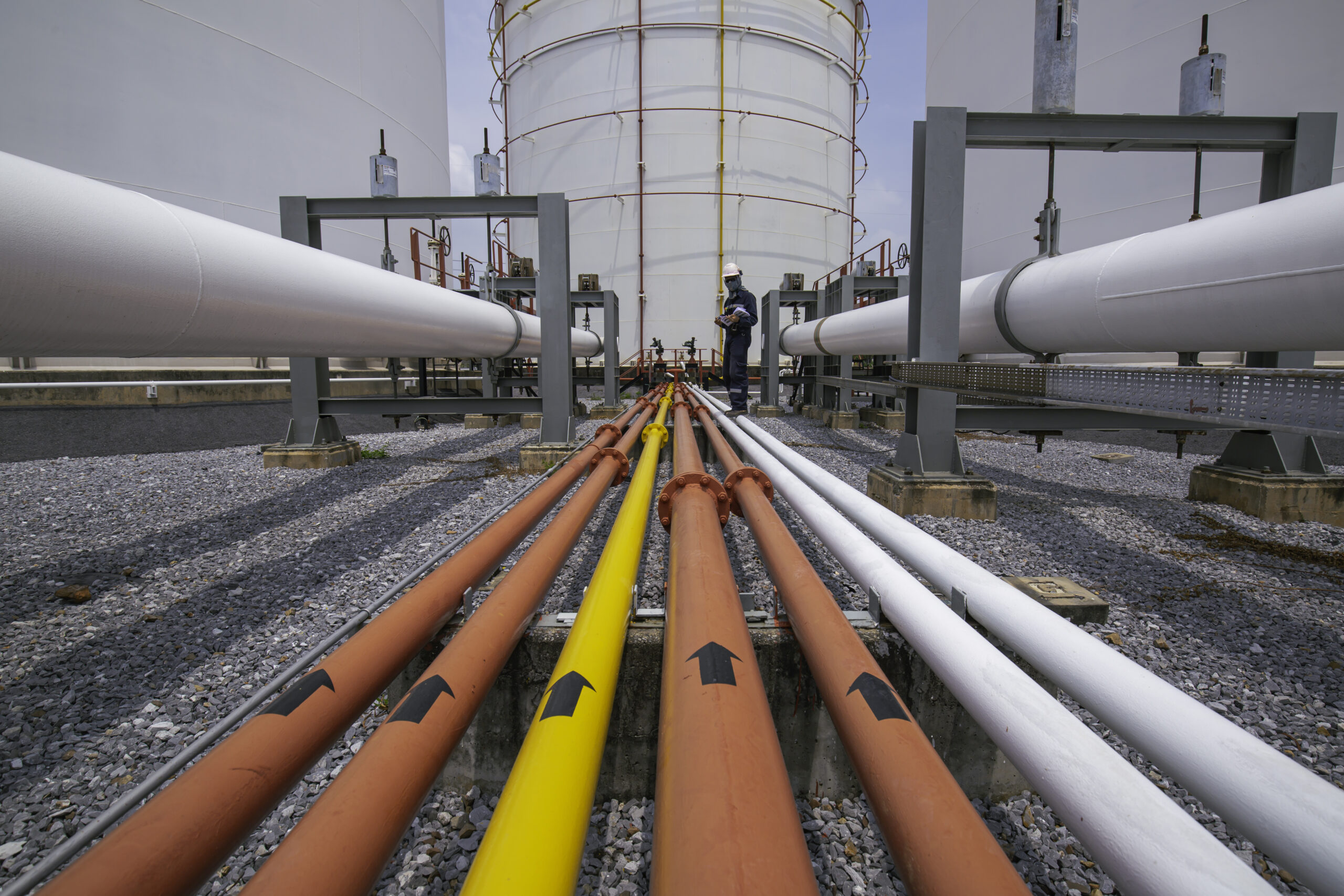
ASME SA387 GR 22 CLASS 2 Plate Specification
Grade : ASTM A387 Gr 22 CL.2 Alloy Steel Plates
Standard : ASTM A387 / ASME SA387
Width : 1000mm-4500mm
Thickness : 5mm-150mm
Length : 3000mm -18000mm
Impact tested : -52° C
Process : Hot-Rolled (HR)
What is ASME SA387 Grade 22 Class 2 high speed steel?
ASME SA387 Grade 22 Class 2 is a chromium-molybdenum alloy steel plate designed for high-temperature service in pressure vessels and boilers, offering excellent heat resistance, oxidation, and corrosion resistance due to its chromium and molybdenum content, with the 'Class 2' indicating higher strength (yield 45 ksi, tensile 75-100 ksi) than Class 1. It's a robust material for oil, gas, and chemical industries, known for good weldability and performance under high stress.
What is ASME SA387 Grade 22 Class 2 equivalent to?
ASME SA387 Grade 22 Class 2 is equivalent to ASTM A387 Grade 22 Class 2, and internationally, its closest match is EN 10CrMo9-10, with other equivalents including BS 622-515B and French 10CD9-10, all being chromium-molybdenum alloy steels for high-temperature pressure vessels and boilers.
What are the typical application fields of ASME SA387 Grade 22 Class 2?
ASME SA387 Grade 22 Class 2 steel is a chromium-molybdenum alloy primarily used in pressure vessels, boilers, and heat exchangers within the oil & gas, petrochemical, and power generation industries due to its excellent strength, ductility, and resistance to high temperatures and corrosion, including in sour gas environments. Key applications include reactors, piping, turbines, and other equipment needing reliable performance under elevated pressure and thermal stress.
Equivalents for ASME SA387 Grade 22 Alloy Steel Plates
| BS | EN | ASTM/ASME | DIN |
| 622-515B | 10 CRMO910 | SA387-22-2 | 10 CRMO910 |
Specifications for ASME SA387 Grade 22 Alloy Steel Plates
| Designation | Nominal Chromium Content (%) |
Nominal Molybdenum Content (%) |
| SA387 Grade 22 | 2.25% | 1.00% |
| Designation | Nominal Chromium Content (%) | Nominal Molybdenum Content (%) |
|---|---|---|
| A387 Grade 22 | 2.25% | 1.00% |
ASME A387 GR 22 CLASS 2 Chemical Composition
| Grade | C | Mn | P | S | Si | Cr | Mo |
| A387 Gr.22 | 0.05-0.15 | 0.30-0.60 | 0.035 | 0.035 | 0.50 max | 2.00-2.50 | 0.90-1.10 |
Tensile Requirements for ASME SA387 Grade 22 Alloy Steel Plates Class 2 Plates
| Designation: | Requirement: | Grade 22 |
| SA387 Grade 22 | Tensile strength, ksi [MPA] | 75 to 100 [515 to 690] |
| Yield strength, min, ksi [MPa]/(0.2% offset) | 45 [310] | |
| Elongation in 8 in. [200mm], min % | ... | |
| Elongation in 2 in. [50mm], min, % | 18 | |
| Reduction of area, min % | 45 (measured on round specimen) 40 (measured on flat specimen) |
1. What is the P number of ASME SA387 Grade 22 Class ?
For ASME SA387 Grade 22 alloy steel, the P-Number is P5A, as it's a chromium-molybdenum steel (around 2.25% Cr, 1% Mo) classified under ASME Section IX for welding, with the "A" indicating it's ferritic/ferritic-martensitic, a common grouping for these types of pressure vessel steels.
2. What is ASME SA387 Grade 22 Class 2 material?
ASME SA387 Grade 22 Class 2 is a chromium-molybdenum (Cr-Mo) alloy steel plate for high-temperature service, primarily for welded pressure vessels and boilers in the oil, gas, and chemical industries, offering excellent heat resistance, corrosion resistance, and weldability, with specific chemical composition (around 2.25% Cr, 1% Mo) and heat treatment (normalized & tempered) requirements for enhanced strength and durability.
3. What is the difference between ASME SA387 Grade 22 Class and ASME SA387 Grade 22 Class 1?
ASME SA387 Grade 22 Class 1 and Class 2 are both chromium-molybdenum alloy steels for elevated temperatures, but the key difference lies in their mechanical properties (strength); Class 2 offers higher tensile strength (75-100 ksi vs. 60-85 ksi) and yield strength (45 ksi vs. 30 ksi) compared to Class 1, while maintaining similar elongation, making Class 2 suitable for more demanding high-temperature, high-pressure applications.
4. What welding rod for ASME SA387 Grade 22 Class 2 ?
For welding ASME SA387 Grade 22 Class 2, you need a low-alloy filler metal matching the base metal's 2.25% Chromium, 1% Molybdenum composition, with common choices including E9018-B3 (SMAW), ER90S-B3 (GMAW/GTAW), or EB3R (SAW), ensuring Post-Weld Heat Treatment (PWHT) like stress relief, as this Cr-Mo steel is prone to cracking.
5. What is the hardness of ASME SA387 Grade 22 Class 2?
ASME SA387 Grade 22 Class 2 doesn't have a strict minimum hardness requirement in the primary ASME/ASTM specification but typically falls in the range of 130 to 170 Brinell (HB) after heat treatment, offering good tensile strength (75-100 ksi) and minimum yield strength (45 ksi) for pressure vessel applications, with hardness values depending on final processing like quenching and tempering.
6. What are the typical application fields of ASME SA387 Grade 22 Class 2?
ASME SA387 Grade 22 Class 2 steel is a chromium-molybdenum alloy primarily used in pressure vessels, boilers, and heat exchangers within the oil & gas, petrochemical, and power generation industries due to its excellent strength, ductility, and resistance to high temperatures and corrosion, including in sour gas environments. Key applications include reactors, piping, turbines, and other equipment needing reliable performance under elevated pressure and thermal stress.
7. Is ASME SA387 Grade 22 Class 2 carbon steel?
No, ASME SA387 Grade 22 Class 2 is not plain carbon steel; it's a chromium-molybdenum (Cr-Mo) alloy steel, a type of carbon alloy steel, specifically engineered for high-temperature service in pressure vessels and boilers due to its enhanced corrosion resistance and strength at elevated temperatures. While it's based on carbon steel, the addition of chromium (around 2.00-2.50%) and molybdenum (0.90-1.10%) makes it a distinct alloy grade for demanding industrial applications like oil, gas, and petrochemical plants.
Contact us at info@gneesteels.com for pricing, technical support, or customized solutions. We are always ready to support your project.

Industry Use
This grade is vital in the oil and gas, chemical, and petrochemical industries, where equipment must withstand high temperatures and pressures, often in sour (H₂S) gas environments.


