

| Parameter | ASTM A553 Type 1 | ASME SA553 Type 1 |
|---|---|---|
| Issuing Organization | ASTM International | ASME (American Society of Mechanical Engineers) |
| Standard Number | A553/A553M | SA-553/SA-553M |
| Nickel Content | 8.50–9.50% | 8.50–9.50% |
| Tensile Strength | 690–825 MPa (100–120 ksi) | 690–825 MPa (100–120 ksi) |
| Yield Strength (min) | 585 MPa (84.8 ksi) | 585 MPa (84.8 ksi) |
| Elongation (min, in 50 mm) | 20% | 20% |
| Impact Test Temperature | −196 °C (−320 °F) | −196 °C (−320 °F) |
| Impact Energy (min, transverse) | 27 J at −196 °C | 27 J at −196 °C |
| Lateral Expansion (min) | 0.381 mm | 0.381 mm |
| Heat Treatment | Quenched + Tempered (Q&T) | Quenched + Tempered (Q&T) |
| Plate Thickness | Limited by capacity to meet mechanical properties | Limited by capacity to meet mechanical properties |
| Primary Application | Cryogenic pressure vessels (LNG, LPG storage) | ASME BPVC Section VIII pressure vessels |
| Certification Requirements | Mill Test Certificate (MTC) to ASTM A553 | ASME BPVC Part II material certification; often requires U-Stamp traceability |
Click to learn more about SA553 Type1
If you're sourcing 9% nickel alloy steel plates for cryogenic pressure vessel fabrication, understanding the difference between ASTM A553 Type 1 and ASME SA553 Type 1 is a critical step - yet it's one that many procurement teams overlook.
What Is ASTM A553 Type 1? Key Properties & Industrial Applications
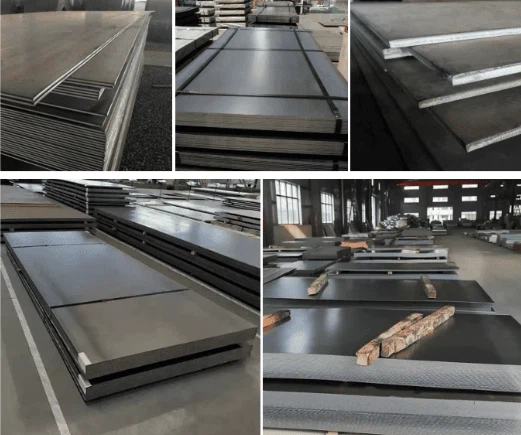
ASTM A553 Type 1 is a high-nickel alloy steel plate specification issued by ASTM International (formerly the American Society for Testing and Materials). The material is colloquially called "9% nickel steel" because its nickel content ranges from 8.50% to 9.50% by weight.
The steel combines high tensile strength (690–825 MPa) with exceptional low-temperature toughness, making it one of the most widely specified materials for cryogenic pressure vessels operating at temperatures down to −196 °C (−320 °F).
Why ASTM A553 Type 1 Is the Industry Standard for Cryogenic Vessels
- Decades of proven service: ASTM A553 Type I has been used reliably for LNG and cryogenic containment since the 1960s;
- Martensitic microstructure with high toughness: Unlike conventional martensitic steels, A553 remains ductile rather than brittle at cryogenic temperatures;
- Good weldability: Designed for welded pressure vessel fabrication, compatible with nickel-based welding consumables;
- Availability across supply chains: As an ASTM standard, mills and distributors worldwide recognize and stock A553 Type 1 plates.
Your selection path can ultimately be summarized as: Choose ASTM A553 Type 1 when your project does not need ASME Code stamping but still demands full cryogenic performance - the material is identical to SA553.
What Is ASME SA553 Type 1 and Why Does the "S" Prefix Matter?
ASME SA553 Type 1 is the same 9% nickel alloy steel - identical in chemical composition, mechanical properties, and heat treatment requirements to ASTM A553 Type 1. The key difference is the standard-issuing body: ASME (the American Society of Mechanical Engineers) adopts ASTM material specifications into its Boiler & Pressure Vessel Code (BPVC) by adding an "S" prefix.
ASME SA553 Type 1 - The Pressure Vessel Code Path
- The ASME SA-553 specification is published in ASME BPVC Section II, Part A, which governs ferrous material specifications for pressure vessel construction;
- When a pressure vessel is designed, fabricated, inspected, and stamped in accordance with ASME BPVC Section VIII, the materials used must (in most jurisdictions) carry ASME designations;
- That's the single biggest reason a buyer might need "SA553" rather than "A553" plates: regulatory compliance, not any metallurgical difference.
Common Misunderstandings About ASTM A553 vs ASME SA553
| Claim | Reality |
|---|---|
| "SA553 is a higher grade." | False. The chemical and mechanical requirements are identical. |
| "ASTM A553 is less strict." | False. Both require the same impact testing at −196 °C and the same Q&T heat treatment. |
| "You must use SA553 for any pressure vessel." | Depends on jurisdiction. Many countries accept ASTM material certifications for non-code-stamped vessels. |
| "ASME material costs more." | Partially true. ASME traceability and documentation add cost, but the steel itself is the same. |
Chemical Composition and Mechanical Properties of ASTM A553 Type 1 vs ASME SA553 Type 1
Chemical Requirements - 9% Nickel Alloy Steel Composition
| Element | ASTM A553 Type 1 (Weight %) | ASME SA553 Type 1 (Weight %) |
|---|---|---|
| Carbon (C) | ≤ 0.13 | ≤ 0.13 |
| Manganese (Mn) | ≤ 0.90 | ≤ 0.90 |
| Phosphorus (P) | ≤ 0.035 | ≤ 0.035 |
| Sulfur (S) | ≤ 0.04 | ≤ 0.04 |
| Silicon (Si) | 0.15–0.30 | 0.15–0.30 |
| Nickel (Ni) | 8.50–9.50 | 8.50–9.50 |
| Iron (Fe) | Balance | Balance |
Both ASTM A553 Type 1 and ASME SA553 Type 1 share the exact same melt analysis requirements:
- Carbon: maximum 0.13% - kept low for weldability and toughness;
- Manganese: maximum 0.90% - deoxidation and strength;
- Nickel: 8.50% to 9.50% - the defining alloying element for cryogenic toughness;
- Silicon: 0.15% to 0.30% - deoxidation;
- Phosphorus & Sulfur: maximum 0.035% and 0.04%, respectively - residual elements kept low for cleanliness.
Note: Some mills now offer advanced "clean steel" grades with even tighter phosphorus and sulfur limits (e.g., max 0.015% each). If your project requires enhanced low-temperature properties, ask us about ultra-clean A553/SA553 Type 1 plates - we can supply them.*
Mechanical Properties - Cryogenic Performance at −196 °C
| Test | Requirement (Both Specs) |
|---|---|
| Tensile Strength, Ultimate | 690–825 MPa (100–120 ksi) |
| Tensile Strength, Yield (0.2% offset) | ≥ 585 MPa (84.8 ksi) |
| Elongation in 50 mm (2 in) | ≥ 20% |
| Charpy V-Notch (transverse, −196 °C) | ≥ 27 J |
| Lateral Expansion (−196 °C) | ≥ 0.381 mm |
Reference: ASTM A553 Type 1 mechanical properties per standard specification; ASME SA553 identical values confirmed by ASME BPVC Part II and industry sources
Impact Testing - The Critical Gatekeeper
A common misconception: Some older or generic datasheets claim the impact requirement for Type I is 34 J. The actual ASTM/ASME requirement is 27 J minimum at −196 °C on transverse specimens. Always verify your MTC against the latest standard revision (A553/A553M-17 or later, and the corresponding SA-553 edition). A small discrepancy in impact values can mean the difference between acceptance and rejection at third-party inspection.
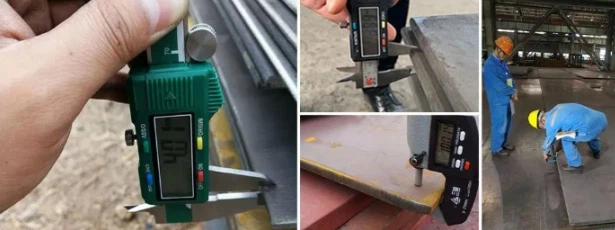
GNEE conducts in-house Charpy testing at −196 °C on every production lot before shipment, and we provide full mill test certificates (MTCs) with traceable heat numbers.
ASTM A553 Type 1 vs ASME SA553 Type 1: Which One Should You Choose?
Choosing between ASTM A553 Type 1 and ASME SA553 Type 1 depends mainly on your project certification requirements.
Choose ASTM A553 Type 1 If:
Your project only requires ASTM material compliance
Pressure vessel code certification is not mandatory
General cryogenic engineering applications are involved
Choose ASME SA553 Type 1 If:
Your project falls under ASME BPVC regulations
Pressure vessel certification is required
International EPC standards must be followed
LNG terminal projects require code compliance
For maximum flexibility, many buyers choose dual-certified steel plates supplied by GNEE.
Contact GNEE for ASTM A553 Type 1 & ASME SA553 Type 1 Quotations
The bottom line on ASTM A553 Type 1 vs ASME SA553 Type 1 is deceptively simple: choose the designation your project's code body requires, because the material itself is identical. What does differ is the supply chain capability behind the plate - mill relationships, inventory availability, testing rigor, and logistics execution. That's where GNEE Steel delivers value.
Waiting on a project quotation? Take action now:
- Send your specification (grade, dimensions, quantity, delivery terms) to info@gneesteels.com for a same-day price;
- Ask about our dual-certified ASTM A553 / ASME SA553 Type 1 plates with immediate stock availability;
- Request a free material consultation if you're comparing 9% nickel steel cost vs. alternatives like ASTM A645 (5%–6% Ni steel).
Don't let a material certification mismatch delay your vessel fabrication schedule. Contact GNEE Steel today - we make ASTM A553 Type 1 & ASME SA553 Type 1 procurement simple, reliable, and cost-efficient.
FAQ
Are ASTM A553 Type 1 and ASME SA553 Type 1 the same material?
Yes. The chemical composition, mechanical properties, heat treatment (quenched & tempered), and impact testing requirements are identical. The difference is the publishing body: ASTM vs. ASME.
What is A553 Type 1 material?
ASTM A553 Type 1 covers 9% nickel alloy steel plates that are used in the fabrication of cryogenic pressure vessels. This material is capable of operating at temperatures as low as -196oC, and has high levels of strength and weldability.
Is there a price difference between ASTM A553 and ASME SA553 plates?
Yes. ASME-certified plates typically carry a 5–15% premium over ASTM-only plates due to additional documentation, auditing, and traceability requirements - even though the steel is metallurgically identical. For budget-sensitive projects that do not require ASME stamping, ASTM A553 Type 1 is the cost-effective choice.
What's the difference between Type I, Type II, and Type III?
| Type | Nickel Content | Impact Test Temperature |
|---|---|---|
| Type I | 9% Ni (8.50–9.50%) | −196 °C |
| Type II | 8% Ni | −170 °C (−275 °F) |
| Type III | 7% Ni (newer grade) | −196 °C for certain configurations |
Type I remains the most popular grade for LNG applications. Type III is a newer, lower-nickel-cost alternative gaining adoption with project-specific qualification. If you're evaluating alternatives, GNEE can provide sampling for Type II and Type III plates.


