

What is the difference between SA 516 GR 70 and SA 283 GR C? If you are sourcing carbon steel plates for an industrial project, this is a critical question.
SA 516 GR 70 is a pressure vessel quality steel designed for high-strength, low-temperature service, while SA 283 GR C is a general structural steel for moderate-strength applications. Choosing the wrong grade can compromise safety, increase costs, or cause project delays.
At GNEE Steel, a leading Chinese manufacturer and exporter with over 18 years of experience in carbon steel products, we specialize in supplying both SA 516 GR 70 and SA 283 GR C plates to customers across 150+ countries. In this comprehensive guide, we break down everything you need to know about these two ASME steel grades.
What Is SA 516 GR 70?
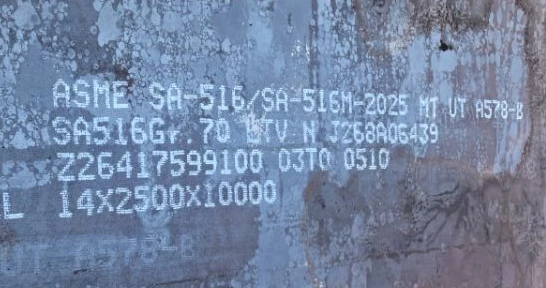
SA 516 GR 70 is a carbon steel plate grade specified under ASME SA-516 / ASTM A516, the industry standard for pressure vessel quality (PVQ) steel. This grade is specifically engineered for use in welded pressure vessels and boilers operating in moderate to low-temperature service environments where notch toughness is critically important
What Is SA 283 GR C?
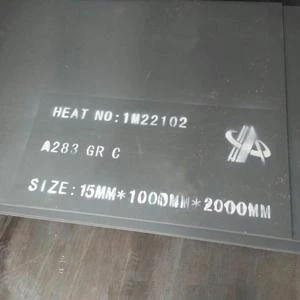
SA 283 GR C is a carbon steel plate grade defined under ASME SA-283 / ASTM A283, a specification for low and intermediate tensile strength carbon steel plates of structural quality. Unlike SA 516 GR 70, which is engineered for pressure containment, SA 283 GR C is designed for general structural applications where moderate strength and excellent weldability are sufficient.
SA 516 GR 70 vs SA 283 GR C – Chemical Composition Comparison
| Element | SA 516 GR 70 (Max / Range) | SA 283 GR C (Max / Range) |
|---|---|---|
| Carbon (C) | 0.27% – 0.31% (varies by thickness) | ≤ 0.24% |
| Manganese (Mn) | 0.85% – 1.20% | ≤ 0.90% |
| Silicon (Si) | 0.15% – 0.40% | ≤ 0.40% |
| Phosphorus (P) | ≤ 0.025% | ≤ 0.035% |
| Sulfur (S) | ≤ 0.025% | ≤ 0.040% |
| Copper (Cu, min when specified) | - | ≥ 0.20% |
Higher Carbon in SA 516 GR 70. The increased carbon content (up to 0.31% vs. 0.24% max for SA 283 GR C) gives SA 516 GR 70 its superior strength and hardness. However, this also makes it more sensitive to welding procedures, requiring more careful heat control.
Higher Manganese in SA 516 GR 70. Manganese (0.85–1.20%) is added to SA 516 GR 70 to enhance toughness, particularly at low temperatures, and to improve the steel's response to heat treatment. The lower manganese content in SA 283 GR C (≤0.90%) reflects its design for general structural use rather than demanding low-temperature service.
Tighter P and S Controls in SA 516 GR 70. Phosphorus and sulfur are controlled to stricter limits (0.025% max each) in SA 516 GR 70 compared to SA 283 GR C (P 0.035% max, S 0.040% max). This reduces the risk of embrittlement and improves weldability for pressure-containing applications
SA 516 GR 70 vs SA 283 GR C – Mechanical Properties Comparison
| Property | SA 516 GR 70 | SA 283 GR C |
|---|---|---|
| Yield Strength (Min) | 260 MPa (38 ksi) | 205 MPa (30 ksi) |
| Tensile Strength Range | 485 – 620 MPa (70–90 ksi) | 380 – 515 MPa (55–75 ksi) |
| Elongation (min, 200mm/8 in.) | 17% | 20% |
| Elongation (min, 50mm/2 in.) | 21% | 23% |
| Heat Treatment | Normalized (for thick plates) | As-rolled |
| Impact Testing | Required for low-temp service | Not mandatory |
SA 516 GR 70 Equivalents
| Standard | Equivalent Grade |
|---|---|
| ASTM (USA) | A516 Grade 70 |
| EN (Europe) | P355GH (EN 10028-3) |
| DIN (Germany) | HIII / 17Mn4 |
| BS (UK) | BS1501-224-490A/B |
| JIS (Japan) | SGV480 |
| ISO | P295GH |
SA 283 GR C Equivalents
| Standard | Equivalent Grade | Notes |
|---|---|---|
| ASTM (USA) | A283 Grade C | Identical specification |
| EN (Europe) | S235JR (EN 10025-2) | Very close yield strength (235 MPa) |
| JIS (Japan) | SS400 | Similar general-purpose structural steel |
| GB/T (China) | Q235B | Chinese structural carbon steel standard |
| ISO | Fe360B | Older ISO designation |
SA 516 GR 70 vs SA 283 GR C – Applications and Industry Use Cases
Choosing between SA 516 GR 70 and SA 283 GR C comes down to understanding your project's operational demands. These two grades are not interchangeable due to significant differences in strength, toughness, and code acceptance.
Where to Use SA 516 GR 70
SA 516 GR 70 is the material of choice for safety-critical, pressure-containing applications where failure could have severe consequences:
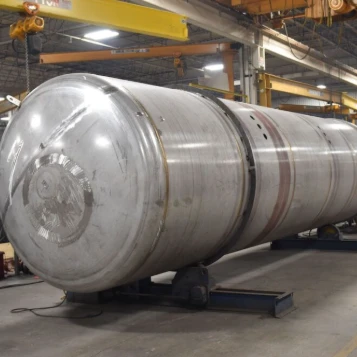
Pressure Vessels: Reactors, separators, accumulators, and distillation towers in oil refineries and chemical plants
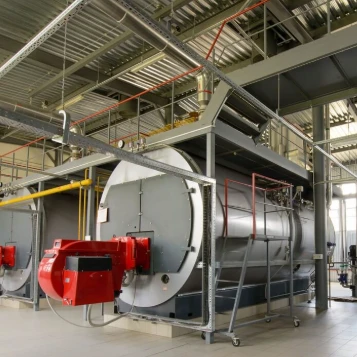
Boilers: Steam drums, boiler shells, and heat recovery steam generator components
Storage Tanks for Pressurized Gases: LPG, propane, and butane storage spheres and bullets
Heat Exchangers: Shell-and-tube and plate-type heat exchangers in petrochemical service
Nuclear Pressure Components: Reactor pressure vessels and containment structures
Hydropower: High-pressure water pipes and turbine components


Where to Use SA 283 GR C
SA 283 GR C is the economical choice for non-critical, moderate-strength applications:
Building Construction: Structural beams, columns, and support frameworks
Bridges and Infrastructure: Bridge decks, highway construction, and overpass components
Low-Pressure Storage Tanks: Atmospheric or low-pressure tanks for water, oil, or chemicals (non-pressurized service)
General Fabrication: Machine frames, equipment bases, and welded structural assemblies
Shipbuilding: Hull plates, deck structures, and non-critical marine components


Can SA 283 GR C Be Substituted for SA 516 GR 70?
No. Substituting SA 283 GR C for SA 516 GR 70 in a pressure vessel application would compromise safety and violate ASME code requirements. Conversely, using SA 516 GR 70 for a simple structural application would be unnecessarily expensive. Each grade has its specific, non-overlapping design domain.
Conclusion
Understanding the difference between SA 516 GR 70 and SA 283 GR C is essential for material selection success. SA 516 GR 70 is a high-strength, normalized pressure vessel steel with superior low-temperature toughness, mandatory impact testing, and ASME code acceptance for critical pressure-containing applications. SA 283 GR C is a cost-effective, as-rolled structural steel with lower strength but excellent weldability, suitable for general-purpose construction and low-pressure non-critical service.
Need help choosing between SA 516 GR 70 and SA 283 GR C for your next project?
GNEE Steel's experienced technical team is ready to assist you with material recommendations, competitive quotes, and reliable supply. Contact us today for a free consultation and quote – simply fill out the form below or email us directly!
What is the difference between SA 516 GR 70 and SA 283 GR C?
SA 283 GR C is a low-carbon steel with moderate strength for general structural purposes, while SA 516 GR 70 is a normalized steel with higher tensile strength for pressure vessels operating at moderate and lower temperatures.
What is SA 283 Grade C material?
ASME SA 283 GR C is a low-carbon steel plate with a maximum carbon content of 0.24%, designed for moderate tensile strength and excellent weldability in pressure vessels and structural applications. Its chemical composition is controlled to minimize impurities, ensuring good formability and resistance to brittleness.
What is the difference between SA 516 70 and SA515 GR 70?
SA-516-70 typically has higher tensile strength compared to SA515 GR 70. Applications: SA-516-70 is commonly used for pressure vessels where moderate and lower temperature service is required. SA515 GR 70 is used for intermediate and higher temperature service applications.
What is SA 516 Grade 70 material?
ASTM A516-70 and ASME SA516-70 steel plate products are made from carbon-manganese steels and produced to pressure vessel quality(PVQ) standards as delineated in ASTM A20/ASME SA20.
What is SA 283 C equivalent to?
Overview of SA 283 GR C and Its Equivalents
Equivalents like ASTM A283 Grade C (identical in specs), EN 10025 S235JR (European structural steel), and IS 2062 E250 (Indian standard) provide comparable strength and weldability for similar uses.
What is the equivalent material for A516 GR 70?
Common equivalents include ASME SA516 GR 70, EN 10028 P355GH, and BS1501 224-490 A & B, suitable for similar pressure vessel applications.


