

What is SA709 Grade 50 steel?
SA709 Grade 50 is a high-strength, low-alloy (HSLA) structural steel plate primarily used in bridge construction and other heavy structural applications. It is designed to provide good weldability, toughness, and ductility, while meeting the mechanical and chemical requirements specified in the ASTM A709 standard.
1. Chemical Composition (Typical Maximum Values)
| Element | Content (wt. %) |
|---|---|
| Carbon (C) | ≤ 0.26 |
| Manganese (Mn) | 1.35 max |
| Phosphorus (P) | ≤ 0.035 |
| Sulfur (S) | ≤ 0.035 |
| Silicon (Si) | ≤ 0.40 |
| Other Alloying Elements | Controlled trace amounts depending on mill |
Actual values may vary slightly depending on plate thickness and manufacturer.
2. Mechanical Properties
| Property | Minimum Requirement |
|---|---|
| Yield Strength | 50 ksi (≈ 345 MPa) |
| Tensile Strength | 65–80 ksi (≈ 450–550 MPa) |
| Elongation | ≥ 18% (varies with thickness) |
| Toughness | Meets ASTM A709 Charpy V-notch requirements at specified service temperatures |
| Weldability | Excellent; suitable for structural welding |

How does SA709 Grade 50 compare with SA709 Grade 36 and Grade 100?
Comparison of SA709 Grades 36, 50, and 100
| Property | SA709 Grade 36 | SA709 Grade 50 | SA709 Grade 100 |
|---|---|---|---|
| Minimum Yield Strength | 36 ksi (≈250 MPa) | 50 ksi (≈345 MPa) | 100 ksi (≈690 MPa) |
| Tensile Strength | 58–80 ksi (≈400–550 MPa) | 65–80 ksi (≈450–550 MPa) | 110–135 ksi (≈760–930 MPa) |
| Elongation | ≥ 20% | ≥ 18% | ≥ 14–16% |
| Impact Toughness | Meets ASTM A709 low-temperature requirements | Higher toughness for bridges and heavy loads | Excellent toughness; designed for extreme loading and cold temperatures |
| Typical Applications | Standard bridges, highway structures, general structural use | Heavier bridges, civil engineering structures, structural members | High-load bridges, extreme structural conditions, heavy equipment |
Key Differences
Strength: Yield and tensile strength increase from Grade 36 → 50 → 100.
Ductility: Elongation decreases as strength increases; Grade 36 is most ductile.
Applications:
Grade 36: standard bridges and structures
Grade 50: heavier loads and critical structural members
Grade 100: extreme loading, cold environments, or specialized structural applications
Weldability: All grades are weldable, though higher grades may require stricter welding procedures.
Summary: Engineers select the grade based on load requirements, structural design, and environmental conditions, balancing strength, toughness, and ductility.
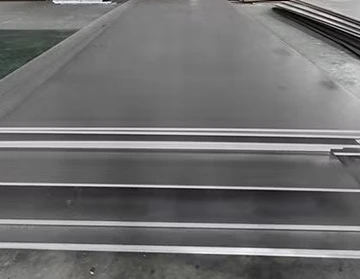
GNEE Steel also supplies a variety of high-strength steel plates, such as A514 Grade F, A572 Grade 50, A588 Grade A, S355JR, S690Q, SS400, S690QL, Q345B, Q345E, etc. If you want to know more about other types of steel plates, you can call the consultation hotline at +8615824687445 or send an email to info@gneesteels.com. You are welcome to consult us, and we are very willing to answer your questions.


