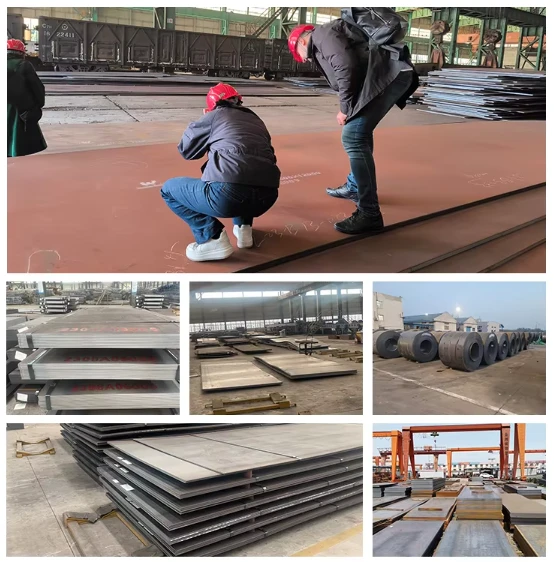
What sizes are available for ASTM A553 TYPE 1?
ASTM A553 Type 1 (9% nickel alloy steel) is primarily produced in plate form for cryogenic pressure vessels, with thicknesses ranging up to 100 mm (approx. 4 inches). Common, widely available sizes include widths up to 3.4 m (132 inches) and lengths up to 13.7 m (540 inches), although custom sizes are available from suppliers.
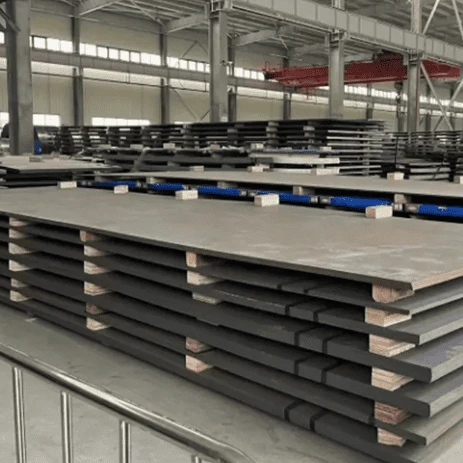
ASTM A553 Type 1 is a quenched and tempered alloy steel that combines high strength, toughness, and low-temperature performance. It is designed for critical applications where impact resistance at low temperatures and strength under high pressure are required, making it suitable for use in pressure vessels and cryogenic storage.
Key Characteristics:
High Fracture Toughness: Even if a small flaw exists, the material is so tough it resists the flaw growing into a major crack.
Corrosion Resistance: Offers better resistance to atmospheric corrosion than standard carbon steel, though it is usually used in non-corrosive cryogenic service.
Design Reliability: Its properties are so well-documented that it is a cornerstone of the API 620 and ASME Section VIII design codes.
Grade Designation:
ASTM A553: 9% Nickel alloy steel plate standard.
Type 1: Denotes the specific chemistry required for -196C service.
Comparison
ASTM A553 Type 1 vs A335 P22:
Strength: A553 Type 1 offers better low-temperature toughness than A335 P22, which is more suited for high-temperature applications.
Application: A553 Type 1 is primarily used in cryogenic environments, while A335 P22 is used for high-temperature piping and boilers.
Chemical Composition: Both materials contain chromium and molybdenum, but A553 Type 1 has a higher content of nickel for better low-temperature performance.

Common Applications
Cryogenic storage tanks for liquefied natural gas (LNG)
Pressure vessels in nuclear power plants
Oil and gas platforms
Heavy-duty reactors in chemical plants
High-pressure piping systems for industrial use
Can ASTM A553 Type 1 be used in corrosive environments?
Yes, ASTM A553 Type 1 steel is highly resistant to corrosion, particularly in high-temperature environments. Its alloying elements, such as chromium and nickel, contribute to its superior ability to resist oxidative and chemical corrosion. This makes it suitable for use in industries such as petrochemical, oil refining, and power generation, where exposure to corrosive substances and elevated temperatures is common. However, it may still require additional coatings or treatments for highly corrosive environments.
What are the typical applications of ASTM A553 Type 1?
ASTM A553 Type 1 is commonly used in pressure vessels, heat exchangers, and other equipment exposed to high temperatures and pressures. Its excellent strength, toughness, and resistance to high-temperature oxidation make it ideal for applications in the petrochemical, power generation, and chemical industries, where equipment must withstand both high pressure and high temperatures. Additionally, its ability to resist thermal creep and fatigue makes it suitable for long-term industrial use.
What is the purpose of chromium in ASTM A553 Type 1?
Chromium is added to ASTM A553 Type 1 to improve the steel's resistance to oxidation and corrosion, especially at high temperatures. The chromium forms a stable oxide layer on the material's surface, protecting it from environmental degradation. Additionally, it enhances the steel's hardness, wear resistance, and overall structural integrity, which is essential in demanding environments like petrochemical plants and power generation facilities.
A553 Type I pressure vessel steel chemical composition %
| Grade | C max | Mn max | P max | S max | Si | Ni |
| A553 Type I | 0.13 | 0.90 | 0.015 | 0.015 | 0.15-0.40 | 8.50-9.50 |
A553 Type I pressure vessel steel Mechanical properties
| Class | Tensile strength Rm MPa | Yield strength ReH MPa min | Elongation A% min in 50mm |
| A553 Type I | 690-820 | 585 | 20 |
1How does ASTM A553 Type 1 compare to other alloy steels?
ASTM A553 Type 1 offers superior high-temperature performance and corrosion resistance compared to many other alloy steels. While some other alloys might be better suited for specific properties like impact resistance or low-temperature strength, A553 Type 1 excels in high-temperature environments. It resists thermal oxidation and creep, making it more suitable for applications where equipment is exposed to high pressure and temperature, such as in boilers and heat exchangers.
2What are the advantages of ASTM A553 Type 1 over carbon steels?
ASTM A553 Type 1 offers significant advantages over carbon steels, particularly in high-temperature and high-pressure applications. Its alloying elements, such as chromium and molybdenum, provide superior resistance to oxidation, creep, and corrosion, which carbon steels do not offer. This makes A553 Type 1 much more reliable in environments with high thermal stress, extending the lifespan of equipment like heat exchangers, pressure vessels, and pipes.
3What is the carbon content of ASTM A553 Type 1?
The carbon content of ASTM A553 Type 1 steel typically ranges from 0.20% to 0.30%. This moderate level of carbon helps provide a balance between strength and ductility, allowing the material to be both strong enough for high-pressure applications while still being flexible enough to withstand fabrication processes like welding. The carbon content is optimized to meet the mechanical property requirements necessary for demanding environments like those in power plants and petrochemical facilities.
4What is the role of nickel in ASTM A553 Type 1?
Nickel is a key alloying element in ASTM A553 Type 1 that enhances the steel's toughness and corrosion resistance, particularly at elevated temperatures. Nickel contributes to the steel's ability to resist oxidation and thermal creep, allowing it to perform well in high-temperature environments. Additionally, it improves the material's overall strength and ductility, ensuring that it maintains its mechanical properties over extended periods of use in extreme conditions.
5How does ASTM A553 Type 1 perform at high temperatures?
ASTM A553 Type 1 performs exceptionally well at elevated temperatures. Its ability to resist thermal oxidation and creep makes it ideal for environments that require materials to retain their strength and structural integrity at temperatures above 500°F (260°C). The alloy's composition, particularly the presence of chromium and molybdenum, ensures that it resists degradation in high-temperature applications such as heat exchangers, power plant boilers, and pressure vessels.
6What is the hardness range of ASTM A553 Type 1 steel?
The hardness of ASTM A553 Type 1 steel typically ranges from 200 to 250 Brinell. This range ensures a good balance between strength, impact resistance, and ductility. The steel's hardness makes it durable enough to withstand wear and mechanical stresses in applications such as pressure vessels and heat exchangers, while still being malleable enough for welding and forming into different shapes needed in industrial systems.
7What is ASTM A553 Type 1 steel?
ASTM A553 Type 1 is a high-strength, low-alloy steel designed primarily for use in high-temperature, high-pressure environments such as pressure vessels, boilers, and heat exchangers. It is known for its excellent resistance to thermal oxidation, creep, and corrosion. Its alloy composition, which includes elements like nickel, chromium, and molybdenum, provides exceptional strength, toughness, and long-term durability under harsh industrial conditions.
Full specification and details are available on request. The above information is provided for guidance purposes only. For specific design requirements please contact our technic