

Products Description
HP265, HP295, HP325, and HP345 are four core grades of welded gas cylinder steel defined under the GB 6653 (Chinese National Standard). The "HP" prefix stands for Hàn Píng , meaning "Welded Cylinder," and the number indicates the minimum yield strength (MPa). These steels are purpose-engineered for manufacturing pressure vessels like LPG (liquefied petroleum gas) cylinders, acetylene cylinders, and other portable gas containers.
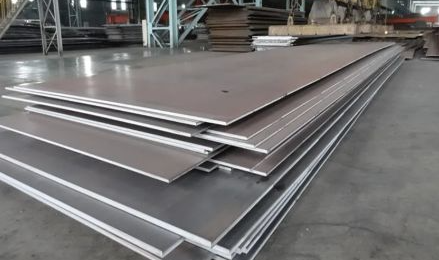
HP265, HP295, HP325 and HP345 steel
At GNEE, we operate a state-of-the-art manufacturing facility that ensures every batch of steel plate we produce maintains consistent grain structure and superior surface quality. By choosing a direct manufacturer like GNEE,you benefit from factory-direct pricing and rigorous quality control that middleman traders cannot offer.
Core Standard & Grade Definition
All four grades comply with GB/T 6653– Steel plates and strips for welded gas cylinders. They are low-carbon, micro-alloyed steels designed for excellent formability, weldability, and pressure resistance.
| Grade | Minimum Yield Strength |
|---|---|
| HP265 | 265 MPa |
| HP295 | 295 MPa |
| HP325 | 325 MPa |
| HP345 | 345 MPa |
Chemical Composition
The primary difference lies in Manganese (Mn) content, which is the main alloying element to increase strength. Carbon (C) is tightly controlled to ensure good weldability.
| Element | HP265 | HP295 | HP325 | HP345 |
|---|---|---|---|---|
| Carbon (C) | ≤ 0.18 | ≤ 0.18 | ≤ 0.20 | ≤ 0.20 |
| Silicon (Si) | ≤ 0.10 | ≤ 0.10 | ≤ 0.35 | ≤ 0.35 |
| Manganese (Mn) | ≤ 0.80 | ≤ 1.00 | ≤ 1.50 | ≤ 1.50 |
| Phosphorus (P) | ≤ 0.025 | ≤ 0.025 | ≤ 0.025 | ≤ 0.025 |
| Sulfur (S) | ≤ 0.015 | ≤ 0.015 | ≤ 0.015 | ≤ 0.015 |
| Aluminum (Als) | ≥ 0.015 | ≥ 0.015 | ≥ 0.015 | ≥ 0.015 |
| Microalloys (Nb/V/Ti) | – | Trace | Trace | Trace |
HP265/295: Lower Mn, simpler chemistry, excellent weldability & ductility.
HP325/345: Higher Mn & Si, higher strength, but requires stricter welding controls.
Mechanical Properties
| Property | HP265 | HP295 | HP325 | HP345 | Unit |
|---|---|---|---|---|---|
| Yield Strength (Rp0.2) | ≥ 265 | ≥ 295 | ≥ 325 | ≥ 345 | MPa |
| Tensile Strength (Rm) | 410 ~ 520 | 440 ~ 560 | 490 ~ 600 | 510 ~ 620 | MPa |
| Elongation (A50) | |||||
| t < 3mm | ≥ 21 | ≥ 20 | ≥ 18 | ≥ 17 | % |
| t ≥ 3mm | ≥ 27 | ≥ 26 | ≥ 22 | ≥ 20 | % |
| 180° Cold Bend | d=1.5a | d=2a | d=2a | d=2a | – |
| Charpy Impact (V) | ≥ 15 | ≥ 27 | ≥ 27 | ≥ 27 | J (Room Temp) |
| Typical Yield Ratio | ~0.70 | ~0.75 | ~0.78 | ~0.80 | – |
Strength Trend: HP265 < HP295 < HP325 < HP345.
Ductility Trend: Inverse of strength. HP265 is easiest to deep-draw/stamp; HP345 is the hardest.
Yield Ratio: Higher grades have a higher yield ratio, meaning less elastic deformation before plastic flow.
Performance Characteristics, Advantages & Disadvantages
HP265 Steel:The softest & most ductile grade. Lowest strength, highest elongation
Advantages:
- Superb formability: Easiest for deep stamping, complex shapes, minimal springback.
- Excellent weldability: Very forgiving welding process, low risk of cold cracking.
- Low cost: Cheaper material & production costs.
Disadvantages:
- Low pressure rating: Cannot withstand high internal pressure.
- Heavier design: Requires thicker plates to meet pressure safety factors, increasing cylinder weight.
HP295 steel:The industry workhorse. Balanced strength and ductility
Advantages:
- Best overall balance: Dominant choice for standard LPG cylinders (15kg).
- Good formability: Easily formed, widely accepted by manufacturers.
- Proven safety: Extensive field experience and reliable performance.
Disadvantages:Not ideal for ultra-high pressure or ultra-lightweight designs.

HP325 steel: High-strength intermediate grade
Advantages:
- Lightweighting: Thinner gauge than HP295 for the same pressure, reducing transport costs.
- Higher pressure capacity: Suitable for medium-to-high pressure applications.
Disadvantages:
- Reduced ductility: Harder to form; requires more powerful presses.
- Welding sensitivity: Needs precise pre-heat & post-weld heat treatment (PWHT).
HP345 steel: The strongest standard grade
Advantages:
- Maximum weight reduction: Significant material savings for large/high-pressure cylinders.
- High-pressure performance: Ideal for industrial gases, large-volume storage.
Disadvantages:
- Poor formability: Challenging deep drawing, higher risk of cracking during manufacturing.
- Highest welding care: Strict control over heat input, cleanliness, and hydrogen-induced cracking (HIC).
- Higher cost: More complex alloying & manufacturing process.
Typical Applications & Scenarios
| Grade | Primary Applications | Cylinder Size | Working Pressure |
|---|---|---|---|
| HP265 |
- Small LPG cylinders (2kg-5kg) - Low-pressure non-toxic gases - Decorative/lightweight tanks |
Small (≤ 12L) | Low (≤ 1.6 MPa) |
| HP295 |
- Standard household LPG (15kg) - General-purpose industrial gas cylinders - Acetylene cylinders |
Medium (12L-50L) | Medium (2.0 ~ 3.2 MPa) |
| HP325 |
- Large LPG cylinders (50kg+) - Industrial gas (Nitrogen, Oxygen) - Vehicle-mounted cylinders |
Medium-Large | Medium-High (3.2 ~ 4.0 MPa) |
| HP345 |
- High-pressure industrial gases - Large stationary storage tanks - Specialized high-strength applications |
Large (≥ 100L) | High (≥ 4.0 MPa) |
Which Grade Should You Choose?
| Your Priority | Recommended Grade | Reason |
|---|---|---|
| Cost & Ease of Manufacturing | HP265 | Lowest cost, easiest to form & weld. |
| General-Purpose / Standard Products | HP295 | Industry standard, optimal balance, lowest risk. |
| Lightweight / Material Savings | HP325 | Good strength without excessive forming difficulty. |
| Maximum Strength / High Pressure | HP345 | Highest pressure rating, maximum weight reduction. |
| Small/Thin-Walled Cylinders | HP265 / HP295 | Superior ductility prevents cracking during forming. |
Why Choose GNEE as Your Supplier?
- 18+ years manufacturing experience
- Full certification support (EN, JIS, GB standards)
- Custom sizes, thickness, and surface treatment
- Fast delivery and global logistics
- Strict quality inspection (chemical + mechanical testing)
We don't just sell steel-we provide complete gas cylinder material solutions.


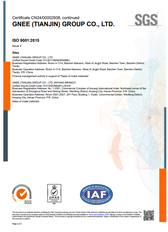
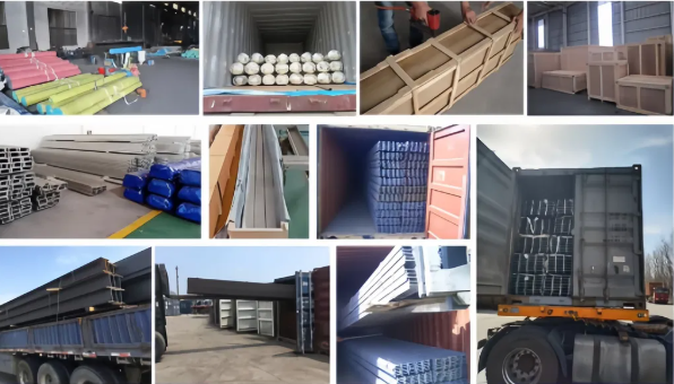
Contact now to get the request free sample & technical support
Can I substitute HP295 with HP345 to save material cost?
Technically yes, but not always practically.Pros: HP345 is stronger, so you can use a thinner plate (e.g., 2.7mm instead of 3.0mm) to achieve the same pressure resistance, reducing material cost.Cons:HP345 is harder to form. Your existing stamping dies may not work, leading to higher reject rates.
Welding costs increase. HP345 requires more stringent welding procedures, potentially increasing labor/energy costs.
Which grade has the best weldability?
HP265 > HP295 > HP325 > HP345.Weldability decreases as strength/Ceq (carbon equivalent) increases. HP265/295 are considered weld-friendly, while HP345 often requires preheating to prevent cracking.
How does thickness affect the choice?
Thickness directly impacts ductility requirements.
Thin plates (< 3mm): Prioritize HP265/295 for higher elongation to avoid cracking during rolling/welding.
Thick plates (> 6mm): HP325/345 become more viable as the strength advantage outweighs the minor ductility loss in thicker sections.


