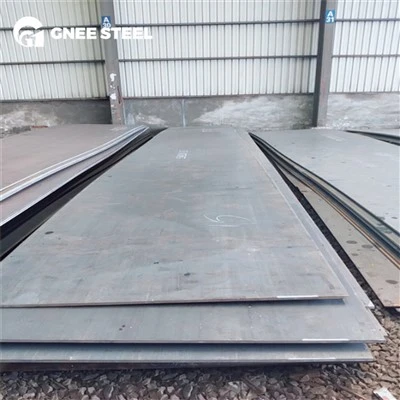
As a supplier of EN Corten steel plates, I often get asked about the recyclability of these products. In this blog post, I'll delve into the details of whether EN Corten steel plates can be recycled, exploring the process, benefits, and implications for both the environment and the industry.
Understanding EN Corten Steel Plate
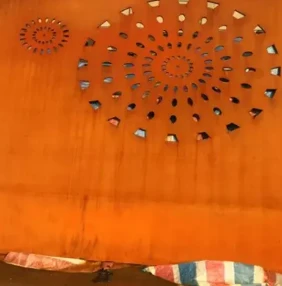
EN Corten steel, also known as weathering steel, is a group of steel alloys developed to eliminate the need for painting. It forms a stable rust - like appearance when exposed to the elements, which acts as a protective layer against further corrosion. EN Corten steel plates are commonly used in construction, bridges, and outdoor sculptures due to their durability and aesthetic appeal.
There are various types of EN Corten steel plates, such as EN 10025 - 5 S235J0W Weathering Steel Certified And Professional, EN 10025 - 5 S460K2W Weathering Steel From China, and EN S235J2W Weathering Corten Steel Sheet. Each type has specific chemical compositions and mechanical properties, but they all share the characteristic of being able to form a protective patina.
The Recyclability of EN Corten Steel Plate
The good news is that EN Corten steel plates are highly recyclable. Steel, in general, is one of the most recycled materials in the world, and EN Corten steel is no exception. The recyclability of EN Corten steel is based on its metallic nature. Metals can be melted down and reformed into new products without significant loss of their inherent properties.
When it comes to recycling EN Corten steel plates, the process typically starts with collection. End - of - life EN Corten steel products, such as old bridges or decommissioned structures, are collected and transported to recycling facilities. At these facilities, the steel plates are first sorted to separate them from other materials. This is an important step as it ensures that the recycling process is efficient and that the final recycled product meets the required quality standards.
After sorting, the EN Corten steel plates are shredded into smaller pieces. Shredding increases the surface area of the steel, making it easier to melt. The shredded steel is then melted in a furnace at extremely high temperatures. During the melting process, any impurities are removed, and the steel is refined to achieve the desired chemical composition.
Once the steel has been melted and refined, it can be cast into new shapes, such as new EN Corten steel plates or other steel products. The recycled steel can be used in a wide range of applications, just like virgin steel.
Benefits of Recycling EN Corten Steel Plate
There are several benefits to recycling EN Corten steel plates.
Environmental Benefits
Recycling EN Corten steel significantly reduces the environmental impact compared to producing new steel from raw materials. Producing steel from iron ore requires large amounts of energy, water, and other resources. It also generates a significant amount of greenhouse gas emissions. In contrast, recycling steel uses much less energy. According to industry estimates, recycling steel can save up to 75% of the energy required to produce new steel from iron ore. This reduction in energy consumption leads to a decrease in carbon dioxide emissions, helping to mitigate climate change.
Recycling also reduces the need for mining iron ore, which can have a detrimental impact on the environment. Mining activities can cause deforestation, soil erosion, and water pollution. By recycling EN Corten steel plates, we can conserve natural resources and protect the environment.
Economic Benefits
Recycling EN Corten steel is also economically beneficial. The cost of producing recycled steel is generally lower than that of producing new steel. This is due to the reduced energy requirements and the fact that the recycling process often uses less expensive scrap steel as a raw material. As a result, recycled steel products can be more competitively priced, which can benefit both manufacturers and consumers.
In addition, the recycling industry creates jobs. From collection and transportation to sorting, shredding, and melting, there are many steps in the recycling process that require a workforce. This helps to stimulate the economy and create employment opportunities.
Challenges in Recycling EN Corten Steel Plate
While the recyclability of EN Corten steel plates is well - established, there are some challenges in the recycling process.
One challenge is the presence of coatings or other materials on the steel plates. EN Corten steel plates may have been painted or coated with other substances during their service life. These coatings need to be removed before the steel can be recycled, as they can contaminate the melting process and affect the quality of the recycled steel. Removing these coatings can be a time - consuming and costly process.
Another challenge is ensuring the quality of the recycled steel. The chemical composition of EN Corten steel is carefully designed to achieve specific properties, such as corrosion resistance. During the recycling process, it is important to ensure that the recycled steel maintains the desired chemical composition. This may require careful monitoring and adjustment of the melting and refining processes.
Implications for the EN Corten Steel Plate Industry
The recyclability of EN Corten steel plates has significant implications for the industry. For suppliers like me, it provides an opportunity to promote sustainable practices. We can emphasize the environmental and economic benefits of using recyclable EN Corten steel plates to our customers. This can help to differentiate our products in the market and attract environmentally - conscious customers.
For manufacturers, recycling offers a reliable source of raw materials. They can use recycled EN Corten steel to produce new products, reducing their dependence on virgin steel. This can also help to stabilize the supply chain and reduce the risk of price fluctuations associated with raw material availability.
Conclusion
In conclusion, EN Corten steel plates are indeed recyclable. The recycling process is well - established and offers numerous environmental and economic benefits. While there are some challenges in the recycling process, such as dealing with coatings and ensuring product quality, these can be overcome with proper technology and management.
As a supplier of EN Corten steel plates, I am committed to promoting the recyclability of our products. I believe that by working together with our customers, manufacturers, and the recycling industry, we can contribute to a more sustainable future.

If you are interested in purchasing high - quality EN Corten steel plates or have any questions about our products, please feel free to contact us for procurement discussions. We look forward to serving you and helping you find the best solutions for your projects.
References
- American Iron and Steel Institute. (2023). Steel Recycling Facts.
- World Steel Association. (2023). The Environmental Benefits of Steel Recycling.