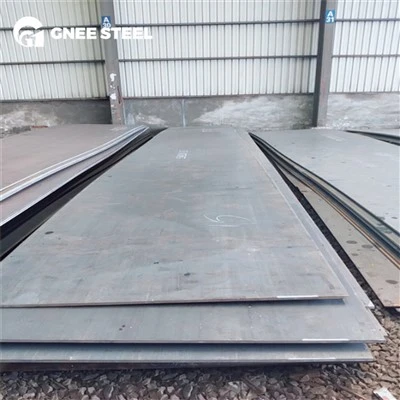
Hey there! I'm a supplier of low alloy steel plates, and I know how crucial it is to transport these heavy-duty materials safely. In this blog, I'll share some tips and tricks to ensure that your low alloy steel plates reach their destination in top-notch condition.
Understanding Low Alloy Steel Plates
Before we dive into the transportation process, let's quickly go over what low alloy steel plates are. Low alloy steel plates are made by adding small amounts of alloying elements like manganese, nickel, chromium, and molybdenum to carbon steel. This addition enhances the strength, toughness, and corrosion resistance of the steel, making it ideal for various applications, including construction, automotive, and manufacturing.

Some popular types of low alloy steel plates include Q500E Low Alloy Steel Plate, A656 Grade 60 Low Alloy Steel Plate, and A572GR65 Low Alloy Steel Plate. Each type has its own unique properties and is suitable for different uses.
Pre-Transportation Preparations
- Inspection: Before shipping, thoroughly inspect the low alloy steel plates for any signs of damage, such as cracks, dents, or rust. If any issues are found, address them immediately to prevent further damage during transit.
- Cleaning: Clean the plates to remove any dirt, debris, or contaminants that could cause corrosion or damage during transportation. Use a mild detergent and water, and dry the plates thoroughly before packing.
- Packing: Proper packing is essential to protect the steel plates during transit. Use sturdy packaging materials, such as wooden crates or pallets, to prevent the plates from shifting or colliding with each other. Wrap the plates in protective materials, such as plastic or paper, to prevent scratches and corrosion.
- Labeling: Clearly label the packages with the type of steel plate, quantity, weight, and destination. This will help ensure that the plates are handled correctly and delivered to the right location.

Choosing the Right Transportation Method
- Trucking: Trucking is a popular choice for transporting low alloy steel plates, especially for short to medium distances. It offers flexibility and convenience, allowing you to deliver the plates directly to the customer's location. Make sure to choose a reputable trucking company with experience in transporting heavy and oversized loads.
- Railway: Railway transportation is a cost-effective option for long-distance shipping. It can handle large volumes of steel plates and is less affected by traffic and weather conditions. However, it may require additional handling and transfer at the railway station, so make sure to plan accordingly.
- Shipping: If you need to transport the steel plates overseas, shipping is the most common option. Choose a reliable shipping company that specializes in transporting heavy and oversized cargo. Make sure to comply with all international shipping regulations and requirements.

Securing the Load
- Strapping: Use high-quality strapping materials to secure the steel plates to the transportation vehicle. Make sure the strapping is tight and secure, and that the plates are evenly distributed to prevent shifting during transit.
- Blocking and Bracing: Use blocking and bracing materials, such as wooden blocks or metal bars, to prevent the plates from moving or tipping over. Make sure the blocking and bracing are properly installed and secured.
- Load Distribution: Distribute the weight of the steel plates evenly across the transportation vehicle to prevent overloading and ensure safe handling. Make sure to follow the vehicle's weight limits and load distribution guidelines.
Monitoring the Transportation
- Tracking: Use a tracking system to monitor the location and status of the steel plates during transit. This will allow you to stay informed about the progress of the shipment and address any issues that may arise.
- Communication: Maintain regular communication with the transportation company and the customer to ensure that the shipment is on schedule and that any concerns are addressed promptly.
- Insurance: Consider purchasing insurance to protect your steel plates against damage or loss during transit. Make sure to read the insurance policy carefully and understand the coverage and limitations.
Post-Transportation Inspection
- Unloading: When the steel plates arrive at their destination, carefully unload them from the transportation vehicle. Use proper lifting equipment and techniques to prevent damage to the plates.
- Inspection: Inspect the plates again for any signs of damage or corrosion. If any issues are found, document them and contact the transportation company or insurance provider immediately.
- Storage: Store the steel plates in a dry, protected area to prevent rust and corrosion. Make sure the plates are stacked properly and supported to prevent bending or warping.
Conclusion
Transporting low alloy steel plates safely requires careful planning, preparation, and execution. By following the tips and tricks outlined in this blog, you can ensure that your steel plates reach their destination in top-notch condition. If you have any questions or need further assistance, don't hesitate to contact us. We're here to help you with all your low alloy steel plate needs.
References
- American Iron and Steel Institute. (2023). Low Alloy Steels.
- International Maritime Organization. (2023). International Maritime Dangerous Goods Code.
- Occupational Safety and Health Administration. (2023). Heavy Equipment Safety.