

Hey there! As a supplier of low alloy steel plates, I've seen firsthand how the width of these plates can have a huge impact on their applications. In this blog post, I'm gonna break down how width affects the use of low alloy steel plates, so you can make the best choices for your projects.
General Considerations of Width in Low Alloy Steel Plates
First off, let's talk about why width matters. Low alloy steel plates come in all sorts of widths, and the width you choose can determine how suitable the plate is for a particular job. When we produce these plates, we take into account that different applications need different widths.
For instance, if you're working on a large - scale construction project, wider plates can be a real time - saver. Instead of welding multiple narrow plates together, you can use one wider plate, which reduces the number of joints and potential weak points. This not only speeds up the construction process but also enhances the overall structural integrity.
On the other hand, in some precision manufacturing processes, narrower plates might be preferred. They are easier to handle and manipulate, especially when you need to cut and shape the steel into specific components.

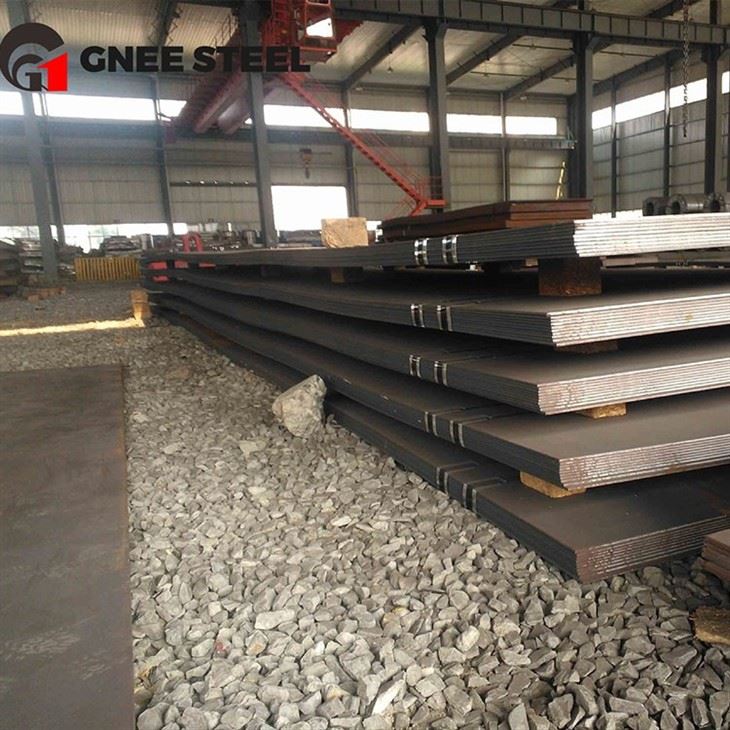
Width and Structural Applications
In the realm of structural applications, such as building bridges and high - rise buildings, width plays a crucial role. Wider low alloy steel plates, like the A656 HSLA Steel Plate, are often used. These plates offer a larger surface area, which distributes the load more evenly. When a bridge is under the weight of traffic or a building is subjected to wind and seismic forces, the wider plates can better withstand these stresses.
For example, in a bridge construction project, using wider plates means fewer longitudinal welds. Welds are areas that can be more prone to corrosion and fatigue over time. By minimizing the number of welds, we increase the lifespan of the bridge and reduce maintenance costs.
However, there are limitations to how wide these plates can be. Transportation and handling become more difficult as the width increases. There are also challenges in the manufacturing process, as ensuring uniform quality across a very wide plate can be tricky.
Width in Manufacturing Components
When it comes to manufacturing components, the story is a bit different. Narrower low alloy steel plates are commonly used for making small - to - medium - sized parts. For example, in the automotive industry, parts like brackets and frames are often made from narrower plates. The Alloy Steel Plate Q345A can be cut and formed into these components with relative ease.
The advantage of using narrower plates in component manufacturing is that they offer more flexibility. You can cut them into various shapes and sizes without having to deal with excessive waste. Also, in a manufacturing environment, handling narrower plates is less cumbersome, which can improve the efficiency of the production line.
But if you're making large - scale components, like the hulls of ships or the bodies of large machinery, wider plates are the way to go. The S690Q S690QL High Strength Low Alloy Steel in wider widths can provide the strength and surface area needed for these heavy - duty applications.
Width and Cost - Efficiency
Cost is always a major factor in any project. The width of the low alloy steel plate can have a significant impact on cost - efficiency. Generally, wider plates can be more cost - effective in large - scale projects. Although they might be more expensive per unit area compared to narrower plates, the reduction in labor costs (due to fewer welds and faster installation) and the lower long - term maintenance costs can offset the initial higher price.
For small projects, however, buying wider plates might not be the best option. You could end up with a lot of wasted material, which drives up the overall cost. In these cases, narrower plates are a more economical choice as you can purchase only the amount you need.
Width and Customization
One of the great things about being a low alloy steel plate supplier is that we can offer customization in terms of width. Whether you need a very narrow plate for a specialized component or an extra - wide plate for a large - scale structure, we can work with you to meet your requirements.
We use advanced manufacturing techniques to ensure that the plates we produce have consistent quality, regardless of the width. This means that you can rely on our plates to perform well in your applications, whether it's a small - scale DIY project or a major industrial undertaking.
Conclusion and Call to Action
So, as you can see, the width of low alloy steel plates has a profound impact on their applications. From structural projects to component manufacturing, and from cost - efficiency to customization, width is a key factor to consider.
If you're in the market for low alloy steel plates and need advice on the right width for your project, don't hesitate to reach out. We're here to help you make the best choices and ensure that your project is a success. Whether you need a specific width of A656 HSLA Steel Plate, S690Q S690QL High Strength Low Alloy Steel, or Alloy Steel Plate Q345A, we've got you covered.
References
- "Steel Construction Manual" by American Institute of Steel Construction
- "Low - Alloy Steels: Metallurgy and Applications" by George E. Totten and D. Scott MacKenzie


