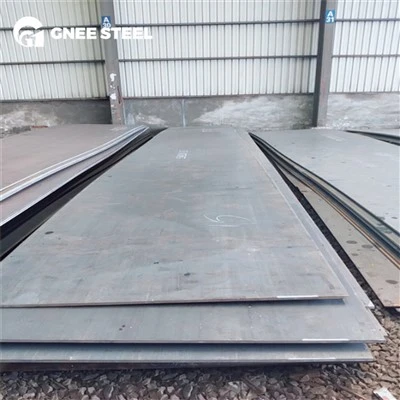
Hey there! As a supplier of GB Corten Steel Plate, I often get asked about how to determine the grade of these plates through chemical analysis. It's a crucial aspect, especially for those in the construction and manufacturing industries. So, let's dive right in and explore this topic.
Why Chemical Analysis?
First off, you might be wondering why we even need chemical analysis. Well, the grade of a GB Corten Steel Plate is determined by its chemical composition. Different grades have different proportions of elements like carbon, silicon, manganese, phosphorus, sulfur, and various alloying elements. These elements play a significant role in the plate's properties, such as strength, corrosion resistance, and weldability.
For example, a higher carbon content generally increases the strength of the steel but can also reduce its ductility. On the other hand, elements like copper, chromium, and nickel can enhance the corrosion resistance of the steel. By analyzing the chemical composition, we can accurately identify the grade of the steel plate and ensure that it meets the specific requirements of a project.
The Chemical Analysis Process
The process of chemical analysis for GB Corten Steel Plate typically involves several steps. First, a sample of the steel plate is taken. This sample is usually a small piece that is representative of the entire plate. The sample is then prepared for analysis, which may involve cleaning and polishing to remove any surface contaminants.
There are several methods for chemical analysis, but two of the most common ones are spectrometry and wet chemical analysis.
Spectrometry
Spectrometry is a non - destructive method that uses the interaction of light with the sample to determine its chemical composition. There are different types of spectrometry, such as optical emission spectrometry (OES) and X - ray fluorescence spectrometry (XRF).
OES works by exciting the atoms in the sample with an electric arc or spark. When the atoms return to their ground state, they emit light at specific wavelengths. By analyzing the wavelengths of the emitted light, we can determine the elements present in the sample and their concentrations.
XRF, on the other hand, uses X - rays to excite the atoms in the sample. The excited atoms then emit characteristic X - rays, which are detected and analyzed to determine the chemical composition. XRF is a fast and relatively simple method, but it may not be as accurate as OES for some elements.
Wet Chemical Analysis
Wet chemical analysis involves dissolving the sample in a suitable acid and then using various chemical reactions to determine the concentrations of different elements. This method is more time - consuming and requires more skilled technicians, but it can provide very accurate results.
For example, to determine the carbon content in the steel plate, the sample is burned in an oxygen atmosphere, and the resulting carbon dioxide is measured. Other elements like sulfur can be determined by precipitation reactions or titration methods.
Key Elements in GB Corten Steel Plate
Now, let's take a look at some of the key elements in GB Corten Steel Plate and how they affect the grade.
-
Carbon (C)
Carbon is one of the most important elements in steel. It increases the strength and hardness of the steel but can also reduce its ductility and weldability. In GB Corten Steel Plate, the carbon content is usually kept within a certain range to balance these properties.
-
Silicon (Si)
Silicon is used as a deoxidizer in steelmaking. It also helps to improve the strength and hardness of the steel. In GB Corten Steel Plate, silicon can enhance the corrosion resistance to some extent.
-
Manganese (Mn)
Manganese is another important element in steel. It improves the strength and toughness of the steel and also helps to reduce the brittleness caused by sulfur. In GB Corten Steel Plate, manganese is usually present in a relatively high proportion.
-
Phosphorus (P) and Sulfur (S)
Phosphorus and sulfur are considered impurities in steel. They can reduce the ductility and weldability of the steel. In GB Corten Steel Plate, the content of phosphorus and sulfur is strictly controlled to ensure good quality.
-
Alloying Elements
GB Corten Steel Plate often contains alloying elements such as copper (Cu), chromium (Cr), and nickel (Ni). These elements enhance the corrosion resistance of the steel, making it suitable for outdoor applications. For example, copper forms a protective oxide layer on the surface of the steel, which helps to prevent further corrosion.
How Chemical Analysis Helps in Determining the Grade
By analyzing the concentrations of these elements, we can match the chemical composition of the steel plate with the standards for different grades of GB Corten Steel Plate. For instance, if the analysis shows that the plate has a high content of copper, chromium, and nickel, it is likely to be a high - grade weathering steel.
Let's take a look at some specific grades of GB Corten Steel Plate. You can check out Structural Q310GNH Weathering Steel Section for more details on one of these grades. This grade has specific chemical composition requirements that are designed to provide good strength and corrosion resistance for structural applications.
Another grade is Q235NH Weathering Steel Section - Bridge/Construction Material. This grade is commonly used in bridge and construction projects. The chemical analysis of this grade helps to ensure that it meets the requirements for these applications, such as sufficient strength and good corrosion resistance.
And then there's The Reliable Choice GB/T Q460NH Weathering Steel. This is a high - strength weathering steel grade, and chemical analysis is crucial to confirm its grade and ensure its quality.
Importance of Accurate Grade Determination
Accurately determining the grade of GB Corten Steel Plate is essential for several reasons. First, it ensures that the steel plate meets the requirements of the project. For example, if a project requires a high - strength steel plate, using a lower - grade plate can lead to structural failures.
Second, accurate grade determination helps in quality control. By knowing the exact grade of the steel plate, we can ensure that it is produced and processed correctly. This helps to reduce the risk of defects and improve the overall quality of the final product.
Conclusion
In conclusion, chemical analysis is a vital tool for determining the grade of GB Corten Steel Plate. By analyzing the chemical composition of the plate, we can accurately identify its grade and ensure that it meets the specific requirements of a project. Whether you're involved in construction, manufacturing, or any other industry that uses GB Corten Steel Plate, understanding the grade through chemical analysis is crucial.


If you're interested in purchasing GB Corten Steel Plate or have any questions about the grades and their applications, feel free to reach out. We're here to help you make the right choice for your project.
References
- ASTM International. (2023). Standards for Steel Products.
- Chinese National Standards for Steel.
- Industry research reports on GB Corten Steel Plate.