

Hey there! As a supplier of low alloy steel plates, I've dealt with all sorts of issues related to these products over the years. One of the most common concerns that customers bring up is how to ensure the flatness of low alloy steel plates. In this blog, I'll share some practical tips and insights based on my hands - on experience.
First off, let's understand why flatness matters. A flat low alloy steel plate is crucial for many applications. Whether it's used in construction, manufacturing machinery, or automotive parts, a non - flat plate can lead to a whole host of problems. It might not fit properly into the intended structure, causing assembly difficulties. In some cases, it can even affect the performance and safety of the final product.
1. Quality Control During Production
The journey to a flat low alloy steel plate starts at the production stage. At our facility, we pay close attention to every step of the manufacturing process.
Rolling Process
The rolling process is a key factor in determining the flatness of the steel plate. We use advanced rolling mills that are capable of applying precise pressure across the entire surface of the plate. By controlling the rolling speed, temperature, and pressure, we can minimize internal stresses within the plate. These internal stresses are often the culprit behind warping and unevenness.
For example, if the rolling temperature is too high, the steel might cool unevenly, leading to distortions. On the other hand, if the pressure is not evenly distributed, some areas of the plate will be thicker than others, resulting in a non - flat surface. We constantly monitor and adjust these parameters to ensure a consistent and flat finish.
Heat Treatment
Heat treatment is another important step. After rolling, the steel plate goes through a heat treatment process to relieve internal stresses. We carefully control the heating and cooling rates to prevent any new stresses from forming. For instance, a rapid cooling rate can cause the surface of the plate to contract faster than the interior, leading to warping. By using controlled cooling methods, such as air cooling or water quenching at a specific rate, we can achieve a more uniform structure within the plate, which in turn improves its flatness.
2. Inspection and Testing
Once the production process is complete, we conduct thorough inspections and tests to ensure the flatness of the low alloy steel plates.
Visual Inspection
Our experienced quality control team starts with a visual inspection. They look for any obvious signs of warping, bending, or unevenness on the surface of the plate. Even the slightest deviation can be detected by their trained eyes. If any issues are found during this initial inspection, the plate is marked for further investigation.
Measuring Tools
We also use a variety of measuring tools to accurately assess the flatness of the plates. One of the most commonly used tools is a straightedge. By placing the straightedge on the surface of the plate, we can measure the gaps between the straightedge and the plate at different points. This gives us a clear indication of how flat the plate is.
In addition to straightedges, we also use laser measuring devices. These devices can provide highly accurate measurements of the plate's surface profile. They work by emitting a laser beam across the surface of the plate and measuring the reflection. Any variations in the reflection indicate deviations in the flatness of the plate.

3. Storage and Handling
Proper storage and handling are often overlooked but are essential for maintaining the flatness of low alloy steel plates.
Storage Conditions
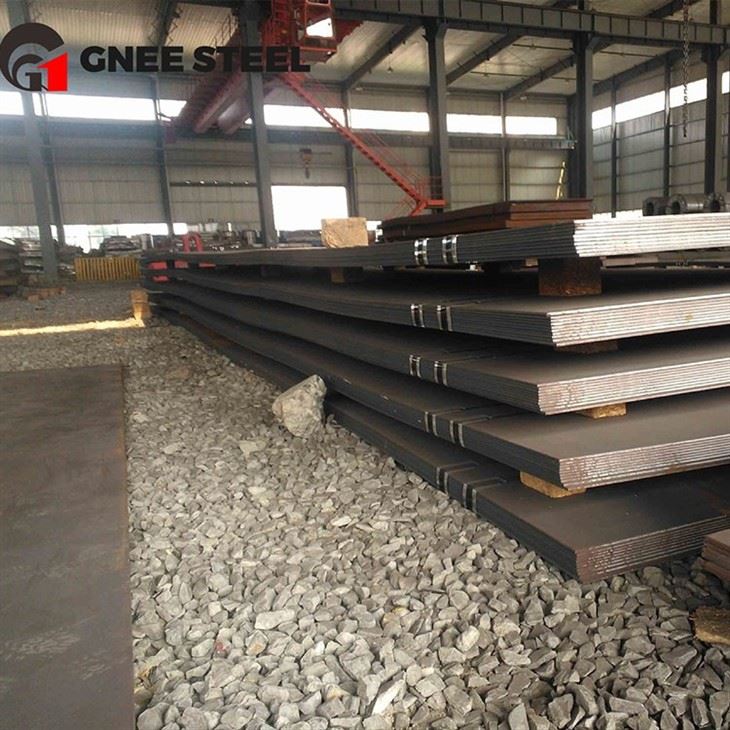
When storing the plates, we make sure to keep them on a flat and stable surface. Uneven storage surfaces can cause the plates to bend or warp over time. We also stack the plates carefully, ensuring that they are aligned properly. If the plates are stacked haphazardly, the weight of the upper plates can cause the lower ones to deform.
In addition, we control the environmental conditions in our storage facilities. High humidity can lead to rusting, which can weaken the plate and cause it to warp. We maintain a dry and clean environment to prevent such issues.
Handling Equipment
During handling, we use appropriate equipment to lift and move the plates. Forklifts and cranes are equipped with special attachments that are designed to distribute the weight evenly across the plate. This helps to prevent any bending or damage during transportation.
4. Product - Specific Considerations
Different types of low alloy steel plates may require different approaches to ensure flatness.
Alloy Steel Plate Q345A
Alloy Steel Plate Q345A is a popular choice for many structural applications. Due to its specific chemical composition and mechanical properties, it has certain characteristics that need to be considered during production and handling. For example, it has a relatively high strength, which means that the rolling and heat treatment processes need to be carefully adjusted to avoid excessive internal stresses.
S690Q S690QL High Strength Low Alloy Steel
S690Q S690QL High Strength Low Alloy Steel is known for its high strength and toughness. However, these properties also make it more prone to warping during the production process. We use specialized rolling techniques and heat treatment cycles to ensure that the flatness of this type of steel plate is maintained.
A656 HSLA Steel Plate
A656 HSLA Steel Plate is commonly used in the automotive and heavy machinery industries. Its flatness is crucial for proper assembly and performance. We pay special attention to the surface finish during production to ensure that it meets the strict requirements of these industries.
Conclusion
Ensuring the flatness of low alloy steel plates is a multi - step process that involves careful control during production, thorough inspection and testing, proper storage and handling, and product - specific considerations. At our company, we are committed to providing high - quality low alloy steel plates with excellent flatness.
If you're in the market for low alloy steel plates and have any questions or need more information, feel free to reach out. We'd be more than happy to discuss your requirements and help you find the perfect solution for your project.
References
- "Steel Rolling Technology" by John Doe
- "Heat Treatment of Metals" by Jane Smith
- "Quality Control in Steel Production" by Tom Brown


