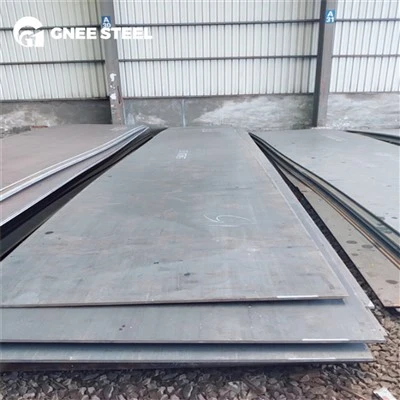
Welding is a critical process when working with EN Corten Steel Plate, which is widely used in various industries due to its excellent weathering resistance and strength. However, cracking during welding can be a significant issue that affects the quality and performance of the final product. As a trusted EN Corten Steel Plate supplier, I have encountered numerous challenges related to welding and have gained valuable insights into preventing cracking. In this blog, I will share some effective strategies to help you avoid cracking during the welding of EN Corten Steel Plate.
Understanding EN Corten Steel Plate
EN Corten Steel Plate, also known as weathering steel, is a group of steel alloys that develop a protective rust - like appearance when exposed to the elements. This protective layer, called patina, slows down the corrosion process, making it ideal for outdoor structures such as bridges, buildings, and sculptures. Popular types of EN Corten Steel Plate include EN 10025 - 5 S355K2W Weathering Steel Professional, S355JOW Corten Steel Plate, and EN 10025 S355JOWP+AR Plates.
Causes of Cracking During Welding
Before discussing prevention methods, it's essential to understand the root causes of cracking during welding. There are several factors that can contribute to this problem:
1. Hydrogen Embrittlement
Hydrogen can be introduced into the weld metal during the welding process. When hydrogen atoms diffuse into the steel lattice, they can cause embrittlement, making the steel more susceptible to cracking. Sources of hydrogen include moisture in the welding consumables, surface contaminants on the steel plate, and the shielding gas.
2. Residual Stress
Welding generates high temperatures, which cause the metal to expand and contract. As the weld cools, residual stresses are created in the welded area. If these stresses exceed the strength of the steel, cracking can occur.
3. Incorrect Welding Parameters
Using improper welding parameters such as high welding current, fast welding speed, or incorrect electrode selection can lead to cracking. High heat input can cause excessive grain growth in the heat - affected zone (HAZ), reducing the toughness of the steel.


4. Improper Joint Design
A poorly designed joint can concentrate stress in certain areas, increasing the likelihood of cracking. For example, sharp corners or abrupt changes in cross - section can act as stress risers.
Prevention Strategies
1. Material Preparation
- Cleaning the Steel Surface: Thoroughly clean the EN Corten Steel Plate before welding to remove any surface contaminants such as rust, oil, grease, and dirt. These contaminants can introduce hydrogen into the weld and increase the risk of cracking. Use a wire brush, grinder, or chemical cleaners to ensure a clean surface.
- Preheating: Preheating the steel plate can help reduce the cooling rate of the weld, minimizing the formation of hard and brittle microstructures in the HAZ. The preheating temperature depends on the thickness of the steel plate and the welding process. Generally, preheating to a temperature between 100 - 200°C is recommended for most EN Corten Steel Plates.
2. Welding Consumables Selection
- Low - Hydrogen Electrodes: Use low - hydrogen electrodes or welding wires to minimize the amount of hydrogen introduced into the weld. These consumables are designed to have a low moisture content and can significantly reduce the risk of hydrogen embrittlement.
- Matching the Weld Metal Composition: Select welding consumables that have a similar composition to the EN Corten Steel Plate. This ensures good compatibility between the base metal and the weld metal, reducing the likelihood of cracking due to differences in thermal expansion and contraction.
3. Welding Parameter Optimization
- Control the Heat Input: Adjust the welding parameters to control the heat input. A moderate heat input is generally preferred to avoid excessive grain growth in the HAZ. Use a lower welding current and a slower welding speed to ensure proper fusion without overheating the steel.
- Interpass Temperature Control: Maintain a proper interpass temperature during multi - pass welding. The interpass temperature should be within the recommended range to prevent rapid cooling between passes, which can lead to cracking.
4. Joint Design
- Smooth Transitions: Design joints with smooth transitions and avoid sharp corners or abrupt changes in cross - section. This helps distribute the stress evenly across the welded area, reducing the concentration of stress at specific points.
- Proper Fit - Up: Ensure proper fit - up of the joint before welding. A well - aligned joint with the correct gap and root face can improve the quality of the weld and reduce the risk of cracking.
5. Post - Weld Treatment
- Post - Weld Heat Treatment (PWHT): PWHT can be used to relieve residual stresses in the welded area. This involves heating the welded component to a specific temperature and holding it for a certain period before cooling it slowly. PWHT can improve the toughness and ductility of the steel, reducing the risk of cracking.
- Stress Relieving: In addition to PWHT, stress - relieving techniques such as mechanical peening or vibration stress relieving can be used to reduce residual stresses in the weld.
Quality Control
- Non - Destructive Testing (NDT): Conduct NDT methods such as ultrasonic testing, magnetic particle testing, or radiographic testing to detect any potential cracks or defects in the weld. Early detection allows for timely repairs and prevents the propagation of cracks.
- Visual Inspection: Perform a visual inspection of the weld after welding to check for any visible signs of cracking, porosity, or other defects. This can be done using a magnifying glass or a microscope.
Conclusion
Preventing cracking during the welding of EN Corten Steel Plate requires a comprehensive approach that includes proper material preparation, correct welding consumables selection, optimized welding parameters, appropriate joint design, and post - weld treatment. By following these strategies and implementing strict quality control measures, you can ensure high - quality welds and avoid costly rework or failures.
As an EN Corten Steel Plate supplier, I am committed to providing high - quality products and technical support to help you achieve successful welding results. If you have any questions or need further assistance with your EN Corten Steel Plate welding projects, please feel free to contact me for more information and to discuss your procurement needs.
References
- AWS D1.1/D1.1M:2020, Structural Welding Code - Steel
- EN ISO 15614 - 1:2017, Specification and qualification of welding procedures for metallic materials - Welding procedure test - Part 1: Arc welding of steels and arc and gas welding of nickel and nickel alloys
- Welding Handbook, Volume 1: Welding Science and Technology, American Welding Society