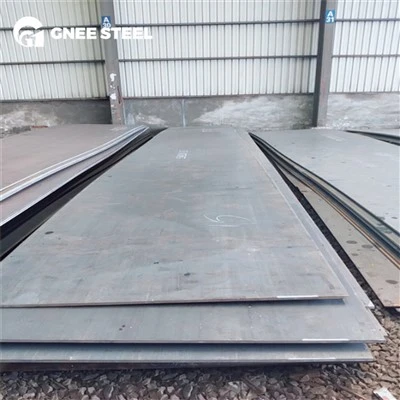
In regions prone to seismic activity, the selection of construction materials is crucial to ensure the safety and durability of structures. ASTM Corten steel plate has emerged as a popular choice for construction in these areas due to its unique properties. As a supplier of ASTM Corten steel plate, I have witnessed firsthand the performance of this material in seismic - prone regions. In this blog, I will delve into how ASTM Corten steel plate performs in such areas.
Properties of ASTM Corten Steel Plate
ASTM Corten steel, also known as weathering steel, is characterized by its high resistance to corrosion. This is achieved through the formation of a stable rust layer on its surface when exposed to the atmosphere. This rust layer acts as a protective barrier, preventing further corrosion and extending the lifespan of the steel.
In addition to corrosion resistance, ASTM Corten steel plate has excellent strength and ductility. Strength is essential for withstanding the forces exerted during an earthquake. Ductility, on the other hand, allows the steel to deform without breaking under stress. This property is particularly important in seismic - prone areas, as it enables the structure to absorb and dissipate the energy generated by an earthquake, reducing the risk of collapse.
Performance in Seismic - Prone Areas
Energy Absorption
One of the key factors in earthquake - resistant design is the ability of a structure to absorb and dissipate energy. ASTM Corten steel plate's high ductility allows it to undergo significant plastic deformation during an earthquake. This plastic deformation helps to absorb the seismic energy, reducing the impact on the structure. For example, in a building constructed with ASTM Corten steel plate frames, the steel members can bend and stretch under seismic forces, rather than suddenly breaking. This energy - absorbing capacity can prevent the structure from collapsing and protect the lives of the occupants.
Structural Integrity
The strength of ASTM Corten steel plate ensures the structural integrity of buildings in seismic - prone areas. The high yield strength and ultimate strength of the steel enable it to withstand the lateral forces generated by an earthquake. Even under extreme seismic conditions, the steel can maintain its shape and support the load of the structure. This is crucial for preventing the building from toppling over or suffering major damage.
Corrosion Resistance in Harsh Environments
Seismic - prone areas are often associated with harsh environmental conditions, such as high humidity, salt spray near coastal regions, and chemical pollution. The corrosion - resistant property of ASTM Corten steel plate is highly beneficial in these environments. The stable rust layer formed on the surface of the steel protects it from the corrosive effects of the environment, ensuring that the structural integrity of the steel is maintained over time. This is particularly important in seismic - prone areas, where the long - term durability of the structure is essential for its safety.
Case Studies
There have been numerous real - world examples of structures built with ASTM Corten steel plate in seismic - prone areas. For instance, in some earthquake - prone cities, bridges constructed with ASTM Corten steel have withstood multiple seismic events. The bridges' steel components were able to absorb the seismic energy through plastic deformation, and the corrosion - resistant property of the steel ensured that the structures remained in good condition over the years.
Another example is in the construction of industrial buildings. In regions with high seismic activity, factories and warehouses built with ASTM Corten steel plate frames have shown excellent performance. The steel frames were able to resist the seismic forces, and the corrosion resistance of the steel reduced the maintenance requirements, making the buildings cost - effective in the long run.
Comparison with Other Materials
When compared to traditional carbon steel, ASTM Corten steel plate has several advantages in seismic - prone areas. Traditional carbon steel is more susceptible to corrosion, which can weaken the structure over time. In contrast, the corrosion - resistant property of ASTM Corten steel plate ensures that the structure maintains its strength and integrity.
Compared to concrete, ASTM Corten steel plate is lighter in weight. This is an advantage in seismic - prone areas, as lighter structures generate less inertial force during an earthquake. Additionally, the ductility of steel allows for more flexible design options, which can enhance the earthquake - resistance of the structure.
Product Recommendations
We offer a range of ASTM Corten steel plates to meet the diverse needs of our customers in seismic - prone areas. Our ASTM A606 Type 4 Weather Steel Plate is known for its excellent corrosion resistance and high strength. It is suitable for various construction applications, including building frames, bridges, and industrial structures.
Our Steel Plate ASTM A871 Gr60 is a high - strength steel plate that provides superior performance in seismic - prone areas. It has a high yield strength and excellent ductility, making it ideal for withstanding seismic forces.
For those looking for a reliable choice, our Reliable Choice ASTM A607 Corten Steel offers a combination of corrosion resistance and good mechanical properties. It is suitable for a wide range of construction projects in seismic - prone regions.
Conclusion
In conclusion, ASTM Corten steel plate performs exceptionally well in seismic - prone areas. Its corrosion resistance, high strength, and ductility make it an ideal material for construction in these regions. The ability to absorb and dissipate seismic energy, maintain structural integrity, and resist corrosion in harsh environments are key factors that contribute to its excellent performance.
If you are planning a construction project in a seismic - prone area, we invite you to consider our ASTM Corten steel plates. Our products are of the highest quality and are designed to meet the strictest standards. Contact us for more information and to discuss your specific requirements. We look forward to working with you to ensure the success of your project.


References
- "Seismic Design of Steel Structures" by Structural Engineers Association of California.
- "Corrosion Resistance of Weathering Steel" by American Iron and Steel Institute.