

Hey there! As a supplier of shipbuilding steel plates, I often get asked about the inspection items for these crucial materials. In this blog, I'll walk you through the key inspection points to ensure you're getting top - notch shipbuilding steel plates.
Visual Inspection
The first step in inspecting shipbuilding steel plates is a good old - fashioned visual check. We look for any obvious surface defects. Cracks are a big no - no. Even the tiniest crack can weaken the plate and pose a serious risk to the ship's structure. These cracks can occur during the manufacturing process, like when the steel is being rolled or cooled.
Scratches are another thing we keep an eye on. While minor scratches might not seem like a big deal, deep scratches can compromise the plate's integrity, especially in harsh marine environments where corrosion can set in more easily. Pits on the surface are also inspected. Pitting can be a sign of early corrosion or a problem with the steel's composition during production.
Dimensional Inspection
Getting the dimensions right is super important for shipbuilding steel plates. The thickness of the plate is a critical measurement. If the plate is too thin, it won't be strong enough to withstand the stresses of the ship's operation. On the other hand, if it's too thick, it can add unnecessary weight to the ship, affecting its fuel efficiency and performance.
We also measure the length and width of the plates. They need to be within the specified tolerances. Any significant deviation can cause problems during the shipbuilding process, like misalignments when the plates are being welded together. For example, if a plate is supposed to be 10 meters long but is actually 10.1 meters, it can throw off the entire assembly.
Chemical Composition Analysis
The chemical composition of shipbuilding steel plates determines their properties. Carbon is one of the most important elements. A higher carbon content generally makes the steel stronger, but it also makes it more brittle. So, we need to find the right balance.
Manganese is another key element. It helps improve the steel's strength and toughness. Sulfur and phosphorus are elements that we try to keep at low levels. High sulfur content can lead to hot - shortness, which means the steel becomes brittle at high temperatures. High phosphorus content can make the steel brittle at low temperatures.
We use advanced testing methods like spectrometry to analyze the chemical composition. This ensures that the steel plates meet the required standards, such as those set by the American Bureau of Shipping (ABS). You can check out ABS A Shipbuilding Steel Plate for more information on specific steel plate requirements.
Mechanical Property Testing
Mechanical properties are what make shipbuilding steel plates perform well in real - world conditions. Tensile strength is a major factor. It measures how much pulling force the steel can withstand before it breaks. A ship's steel plates need to have high tensile strength to handle the forces exerted on the ship's hull, like waves and wind.
Yield strength is also important. It's the point at which the steel starts to deform permanently. We want the yield strength to be high enough so that the plates don't deform under normal operating conditions.
Elongation is another property we test. It shows how much the steel can stretch before it breaks. Good elongation is crucial because it allows the steel to absorb energy without fracturing. We use testing machines to conduct these mechanical property tests.
Impact Testing
Ships operate in all kinds of environments, including cold waters. That's why impact testing is so important. We use the Charpy V - notch test to measure the steel's ability to absorb energy when it's suddenly hit.
In cold temperatures, steel can become more brittle. If the steel plates can't withstand impact in cold conditions, they could crack or break, putting the ship and its crew at risk. We test the steel plates at different temperatures to ensure they meet the required impact resistance standards.
Weldability Testing
Most of the shipbuilding process involves welding the steel plates together. So, the weldability of the steel is a key inspection item. We check if the steel can be welded without forming cracks or other defects in the weld area.
The chemical composition of the steel affects its weldability. Some elements can make the steel more difficult to weld. We also look at the pre - and post - welding heat treatment requirements. Proper heat treatment can improve the quality of the weld and the overall strength of the joint. You can learn more about the types of steel plates used in shipbuilding, like Marine Structural Steel Plate, which often require specific welding procedures.
Corrosion Resistance Testing
Ships are constantly exposed to seawater, which is highly corrosive. Corrosion can weaken the steel plates over time, reducing their strength and lifespan. We test the corrosion resistance of the steel plates using various methods.
One common method is the salt spray test. We expose the steel plates to a salt - laden mist for a certain period and then check for signs of corrosion. We also look at the steel's protective coatings. A good coating can significantly improve the corrosion resistance of the plates. For example, ABS Grade B Ship Steel Plate often has specific coating requirements to ensure long - term corrosion protection.
Ultrasonic Testing
Ultrasonic testing is a non - destructive testing method that helps us detect internal defects in the steel plates. We use high - frequency sound waves to penetrate the steel. If there are any internal flaws, like voids or inclusions, the sound waves will reflect differently, and we can detect them on a monitor.
This is a great way to find defects that aren't visible on the surface. It ensures that the entire volume of the steel plate is free from major flaws, which is crucial for the safety and reliability of the ship.
Magnetic Particle Testing
Magnetic particle testing is used to detect surface and near - surface defects in ferromagnetic steel plates. We apply a magnetic field to the plate and then sprinkle magnetic particles on it. If there are any defects, the magnetic field will be disrupted, and the particles will accumulate at the defect site, making it visible.

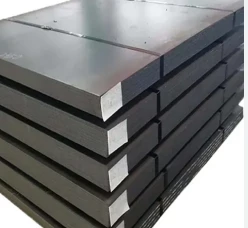
This is a quick and effective way to find cracks and other surface - related defects in the steel plates.
Radiographic Testing
Radiographic testing, like X - ray or gamma - ray testing, is another non - destructive testing method. It allows us to see the internal structure of the steel plates in detail. We can detect internal defects, such as porosity or lack of fusion in welds.
This testing method is especially useful for critical welds and areas where the integrity of the steel plate is of utmost importance.
In conclusion, there are many inspection items for shipbuilding steel plates, and each one plays a vital role in ensuring the quality and safety of the final product. As a supplier, we take these inspections very seriously to provide you with the best - quality steel plates for your shipbuilding needs.
If you're in the market for shipbuilding steel plates and want to discuss your requirements, feel free to reach out. We're here to help you find the perfect steel plates for your project.
References
- Shipbuilding Steel Plate Standards and Specifications, American Bureau of Shipping
- Handbook of Steel Plate Manufacturing and Testing, Industry Publications


