

In the dynamic landscape of pulp and paper mills, pressure vessels play a pivotal role in numerous processes, from chemical reactions to steam generation. As a dedicated Pressure Vessel Steel Plate [/pressure-vessel-steel-plate/good-price-carbon-steel-sheets-a516-grade-60.html] supplier, I understand the critical importance of providing steel plates that meet the stringent requirements of this industry. This blog post delves into the key requirements for pressure vessel steel plates in pulp and paper mills, shedding light on the factors that ensure safety, efficiency, and longevity.
Material Composition and Properties
The choice of steel for pressure vessels in pulp and paper mills is governed by the need to withstand harsh operating conditions. Carbon steel is a popular choice due to its excellent strength, weldability, and affordability. Specifically, grades like A516 Grade 60 are widely used as they offer good notch toughness and resistance to brittle fracture at low temperatures. These properties are crucial as pulp and paper mills often operate under varying temperature and pressure conditions.
Alloy steels may also be employed in certain applications where enhanced corrosion resistance or higher strength is required. For instance, when dealing with corrosive chemicals such as sulfuric acid or chlorine, stainless steels or steels with specific alloying elements can provide the necessary protection. The addition of elements like chromium, nickel, and molybdenum can significantly improve the corrosion resistance of the steel plate, ensuring its integrity over an extended period.
Mechanical Properties
The mechanical properties of pressure vessel steel plates are of utmost importance in pulp and paper mills. Tensile strength, yield strength, and elongation are key parameters that determine the ability of the steel to withstand internal pressure without failure. High tensile strength ensures that the vessel can handle the stress exerted by the pressurized contents, while adequate yield strength prevents plastic deformation under normal operating conditions.
Elongation is another critical property as it indicates the ductility of the steel. A higher elongation value means that the steel can deform plastically before fracturing, providing a warning sign before catastrophic failure. This is particularly important in pressure vessels, where sudden rupture can have severe consequences.
In addition to these basic mechanical properties, impact toughness is also a crucial consideration. Pressure vessels in pulp and paper mills may be subjected to sudden impacts or shock loads, and the steel plate must be able to absorb this energy without cracking. Charpy V-notch testing is commonly used to evaluate the impact toughness of the steel at different temperatures.
Weldability
Weldability is a key requirement for pressure vessel steel plates in pulp and paper mills. Since pressure vessels are often fabricated by welding individual steel plates together, the steel must be able to form strong, defect-free welds. Poor weldability can lead to issues such as weld cracking, porosity, and reduced strength in the welded joints.
To ensure good weldability, the steel plate should have a low carbon equivalent. The carbon equivalent is a measure of the combined effect of carbon and other alloying elements on the hardenability of the steel. A lower carbon equivalent generally results in better weldability and reduces the risk of cold cracking in the welds.
In addition to the carbon equivalent, the steel plate should also have a clean and uniform microstructure. Impurities such as sulfur, phosphorus, and oxygen can have a detrimental effect on weldability, leading to the formation of brittle phases and reducing the ductility of the weld. Therefore, strict control of the chemical composition and manufacturing process is essential to ensure high-quality steel plates with excellent weldability.
Corrosion Resistance
Corrosion is a major concern in pulp and paper mills due to the presence of various corrosive substances such as acids, alkalis, and salts. Pressure vessel steel plates must be able to resist corrosion to maintain their structural integrity and prevent leaks.
As mentioned earlier, the choice of steel with appropriate alloying elements can enhance corrosion resistance. In addition to alloying, surface treatments such as painting, galvanizing, or applying corrosion-resistant coatings can also be used to protect the steel plate from corrosion. However, it is important to note that these surface treatments may require regular maintenance to ensure their effectiveness over time.
The operating environment also plays a significant role in determining the corrosion resistance requirements. For example, vessels in contact with hot, acidic solutions may require a higher level of corrosion resistance compared to those in a relatively mild environment. Therefore, a thorough understanding of the specific operating conditions is essential when selecting the appropriate steel plate and corrosion protection measures.
Formability
Formability is another important requirement for pressure vessel steel plates in pulp and paper mills. The steel plate must be able to be formed into the desired shape without cracking or tearing. This is particularly important when fabricating complex-shaped pressure vessels, such as those with curved or irregular geometries.
The formability of the steel plate is influenced by its mechanical properties, microstructure, and surface finish. A steel plate with good ductility and low yield strength is generally more formable. Additionally, a smooth surface finish can reduce friction during the forming process and prevent surface defects.
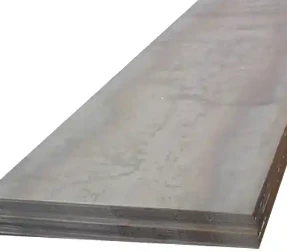

Compliance with Standards and Regulations
Pressure vessels in pulp and paper mills are subject to strict standards and regulations to ensure their safety and reliability. Steel plates used in these vessels must comply with relevant national and international standards, such as the American Society of Mechanical Engineers (ASME) Boiler and Pressure Vessel Code.
Compliance with these standards ensures that the steel plate meets the minimum requirements for material quality, mechanical properties, and manufacturing processes. It also provides assurance to the end-users that the pressure vessel has been designed and fabricated to a high level of safety.
Quality Control
As a Pressure Vessel Steel Plate [/pressure-vessel-steel-plate/good-price-carbon-steel-sheets-a516-grade-60.html] supplier, I understand the importance of quality control in ensuring that the steel plates meet the requirements of pulp and paper mills. A comprehensive quality control system is in place to monitor every stage of the manufacturing process, from raw material selection to final product inspection.
Raw materials are carefully inspected to ensure their chemical composition and quality meet the specified requirements. During the manufacturing process, various non-destructive testing methods such as ultrasonic testing, radiographic testing, and magnetic particle testing are used to detect any internal or surface defects in the steel plate.
Final product inspection includes a thorough examination of the mechanical properties, dimensional accuracy, and surface finish of the steel plate. Only steel plates that pass all the quality control tests are released for shipment to the customers.
Conclusion
In conclusion, the requirements for pressure vessel steel plates in pulp and paper mills are multifaceted, encompassing material composition, mechanical properties, weldability, corrosion resistance, formability, compliance with standards, and quality control. As a Pressure Vessel Steel Plate [/pressure-vessel-steel-plate/good-price-carbon-steel-sheets-a516-grade-60.html] supplier, I am committed to providing high-quality steel plates that meet these stringent requirements.
If you are in the pulp and paper industry and are looking for reliable Pressure Vessel Steel Plates [/pressure-vessel-steel-plate/good-price-carbon-steel-sheets-a516-grade-60.html] or Pressure Vessel Steel Sheets [/pressure-vessel-steel-plate/pressure-vessel-steel-sheet.html], I invite you to contact me for further discussion. I have the expertise and resources to offer customized solutions that meet your specific needs. Let's work together to ensure the safety and efficiency of your pressure vessels in the pulp and paper mill.
References
- ASME Boiler and Pressure Vessel Code
- ASTM International Standards for Steel Plates
- Literature on Pulp and Paper Mill Processes and Equipment


