Hey there! As a supplier of GB Alloy Steel Plate, I often get asked about the surface roughness requirements. It's a crucial aspect that can significantly impact the performance and usability of the steel plates. So, let's dive right in and explore what these requirements are all about.
Understanding Surface Roughness
First off, what exactly is surface roughness? Well, it refers to the microscopic irregularities on the surface of a material. In the case of GB Alloy Steel Plate, these irregularities can be caused by various factors during the manufacturing process, such as rolling, machining, or heat treatment.
Surface roughness is typically measured in terms of parameters like Ra (arithmetical mean deviation of the profile), Rz (average maximum height of the profile), and others. These values give us an idea of how smooth or rough the surface of the steel plate is.
Why Surface Roughness Matters
You might be wondering why surface roughness is such a big deal. Well, it has a direct impact on several key aspects of the steel plate's performance:
- Corrosion Resistance: A smoother surface is generally more resistant to corrosion. Rough surfaces can trap moisture and other corrosive agents, leading to faster rusting and degradation of the steel plate.
- Weldability: When it comes to welding, surface roughness plays a crucial role. A rough surface can make it difficult to achieve a proper weld, leading to weak joints and potential structural failures.
- Friction and Wear: In applications where the steel plate comes into contact with other surfaces, surface roughness can affect friction and wear. A smoother surface can reduce friction and wear, increasing the lifespan of the plate and the components it interacts with.
- Appearance: Let's not forget about aesthetics. In some applications, the appearance of the steel plate is important. A smooth surface gives a more professional and high-quality look.
Surface Roughness Requirements for GB Alloy Steel Plate
The surface roughness requirements for GB Alloy Steel Plate are specified in relevant national standards. These standards ensure that the steel plates meet certain quality and performance criteria.
The specific requirements can vary depending on the type of alloy steel, the intended application, and other factors. For example, in applications where high precision is required, such as in the aerospace or automotive industries, the surface roughness requirements may be more stringent.
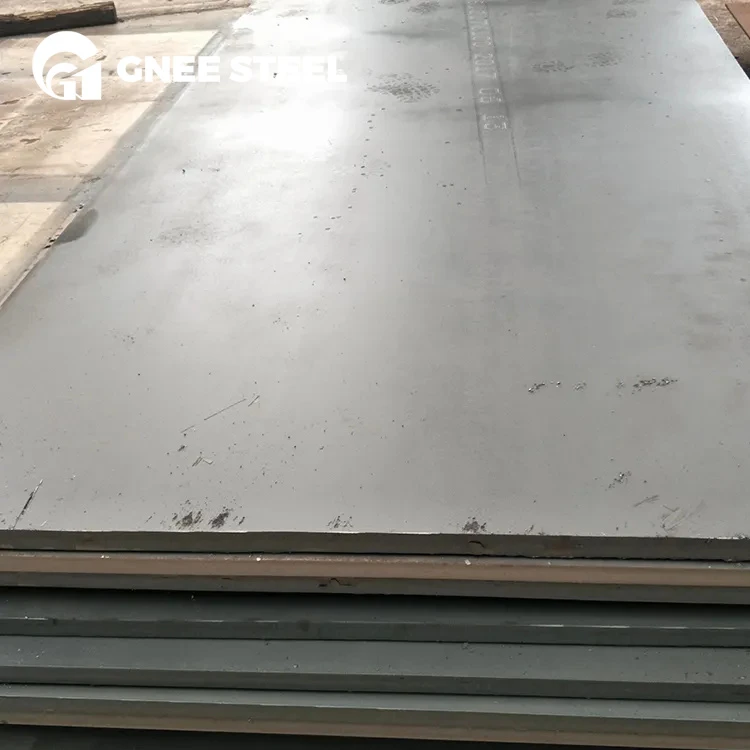

In general, the Ra value for GB Alloy Steel Plate typically ranges from 0.8 to 6.3 micrometers. However, this can vary widely depending on the specific grade and application. For instance, for some high-quality alloy steel plates used in critical applications, the Ra value may be as low as 0.2 micrometers.
Controlling Surface Roughness
As a supplier, we take several measures to control the surface roughness of our GB Alloy Steel Plate:
- Manufacturing Process Optimization: We carefully control the rolling, machining, and heat treatment processes to minimize surface irregularities. This includes using high-quality rolling mills, precise machining tools, and appropriate heat treatment parameters.
- Quality Control: We have a strict quality control system in place to ensure that the surface roughness of our steel plates meets the specified requirements. This involves regular inspections using advanced measuring equipment.
- Surface Finishing: In some cases, we may perform additional surface finishing operations, such as grinding or polishing, to achieve the desired surface roughness.
Examples of GB Alloy Steel Plate with Different Surface Roughness
Let's take a look at some examples of our GB Alloy Steel Plate products with different surface roughness requirements:
- High Strength Tensile: These steel plates are designed for applications where high strength and toughness are required. The surface roughness requirements for these plates are typically in the range of 1.6 to 3.2 micrometers, which provides a good balance between performance and cost.
- GB Q355C Alloy Steel Plate: This is a commonly used alloy steel plate in construction and engineering applications. The surface roughness requirements for this plate are usually around 3.2 to 6.3 micrometers, which is suitable for most general-purpose applications.
- 40CrMo Alloy Steel Plate: This high-strength alloy steel plate is often used in mechanical engineering and automotive applications. The surface roughness requirements for this plate are typically in the range of 0.8 to 1.6 micrometers, which ensures high precision and performance.
Conclusion
In conclusion, surface roughness is an important factor to consider when it comes to GB Alloy Steel Plate. It can have a significant impact on the performance, usability, and appearance of the steel plates. As a supplier, we are committed to providing high-quality steel plates that meet the strict surface roughness requirements specified in relevant national standards.
If you're in the market for GB Alloy Steel Plate and have specific surface roughness requirements, don't hesitate to get in touch with us. We have a wide range of products to choose from and can work with you to find the perfect solution for your needs. Let's start a conversation and see how we can help you with your next project!
References
- GB Standards for Alloy Steel Plate
- Industry research reports on steel plate manufacturing and quality control