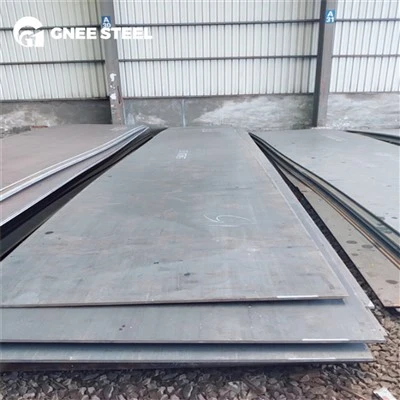
What are the trade policies related to JIS Alloy Steel Plate?
As a supplier of JIS Alloy Steel Plate, I've been closely observing the trade policies that impact our industry. These policies play a crucial role in shaping the market dynamics, influencing everything from production to international sales. In this blog, I'll delve into the various trade policies related to JIS Alloy Steel Plate and how they affect my business as a supplier.
Tariffs and Duties
Tariffs and duties are among the most significant trade policies that impact the JIS Alloy Steel Plate market. Governments often impose tariffs on imported steel products to protect their domestic steel industries. For example, in some countries, high tariffs are levied on alloy steel plates to make imported products more expensive compared to locally produced ones. This can significantly affect my business as a supplier, especially when exporting to these countries.
On the other hand, free trade agreements can reduce or eliminate tariffs between participating countries. For instance, if two countries have a free trade agreement, the JIS Alloy Steel Plate I supply to the partner country may be subject to lower or zero tariffs. This makes my products more competitive in the foreign market, potentially increasing sales volume.
Quotas
Quotas are another important trade policy tool. A quota restricts the quantity of a particular product that can be imported into a country during a specific period. When it comes to JIS Alloy Steel Plate, quotas can limit the amount of steel I can sell in a particular market. If the quota for a country is low, it may prevent me from fully meeting the demand in that market. This can be frustrating, especially when there is a high demand for our high - quality JIS Alloy Steel Plates.

However, quotas can also have some positive aspects. In some cases, they can create a more stable market by preventing an oversupply of imported steel. This can help maintain reasonable prices for both domestic and imported products.
Quality and Standards Requirements
Many countries have strict quality and standards requirements for imported steel products, including JIS Alloy Steel Plate. These requirements are in place to ensure the safety and reliability of the steel used in various applications. For example, the JIS (Japanese Industrial Standards) itself sets high - quality benchmarks for alloy steel plates. When exporting to other countries, my products need to meet not only the JIS standards but also the local standards of the importing country.
Meeting these standards can be challenging and costly. I need to invest in advanced testing equipment and quality control processes to ensure that my JIS Alloy Steel Plates comply with all relevant standards. For example, some countries may require additional testing for chemical composition, mechanical properties, and corrosion resistance. But on the positive side, meeting these high - quality standards can enhance the reputation of my products in the international market, making them more attractive to customers.
Anti - Dumping and Countervailing Duties
Anti - dumping and countervailing duties are imposed to address unfair trade practices. Dumping occurs when a company exports a product at a price lower than its normal value in the domestic market. Countervailing duties are used to counteract subsidies provided by foreign governments to their domestic steel industries.
If a country believes that my JIS Alloy Steel Plates are being dumped or are benefiting from unfair subsidies, they may impose anti - dumping or countervailing duties. This can make my products much more expensive in the foreign market, reducing their competitiveness. To avoid such situations, I need to ensure that my pricing strategies are in line with market norms and that I can prove that my products are not being subsidized unfairly.
Export Controls
Export controls are policies that restrict the export of certain goods, including some types of alloy steel plates. These controls are often related to national security, strategic interests, or environmental concerns. For example, if my JIS Alloy Steel Plate contains certain rare or strategic elements, it may be subject to export controls.
When exporting, I need to comply with these export control regulations. This may involve obtaining special licenses or approvals from the relevant government authorities. Failure to comply with export controls can result in severe penalties, including fines and restrictions on future exports.
Impact on My Business as a Supplier
These trade policies have a profound impact on my business as a JIS Alloy Steel Plate supplier. The tariffs, quotas, and duties can directly affect the cost and competitiveness of my products in the international market. Quality and standards requirements add to the production cost but can also enhance the value of my products. Anti - dumping and countervailing duties pose a risk to my market share, while export controls can limit my export opportunities.
However, I also see opportunities in these trade policies. By understanding and adapting to these policies, I can find ways to optimize my business operations. For example, I can focus on markets with more favorable trade policies, such as those with free trade agreements or lower tariffs. I can also invest in research and development to meet the strictest quality and standards requirements, differentiating my products from competitors.
Our Product Range
We offer a wide range of JIS Alloy Steel Plates to meet the diverse needs of our customers. Our products include JIS G3114 SMA570W Weathering Steel Plate, which is highly resistant to corrosion and is suitable for outdoor structures. We also supply JIS G3136 SN490B SN490C Building Structural Steel Plate, which is widely used in the construction industry for its excellent strength and durability. In addition, our JIS G3302 Zinc Coated Hot Dip Galvanized Steel Sheet provides superior protection against rust and corrosion.
Contact for Procurement
If you are interested in our JIS Alloy Steel Plates and want to discuss procurement details, please feel free to reach out. We are committed to providing high - quality products and excellent customer service. Whether you are a small - scale contractor or a large - scale industrial enterprise, we have the right solutions for your steel plate needs.
References
- World Trade Organization (WTO) publications on trade policies related to steel products.
- Government trade policy announcements and regulations from major steel - importing and exporting countries.
- Industry reports on the global alloy steel plate market.