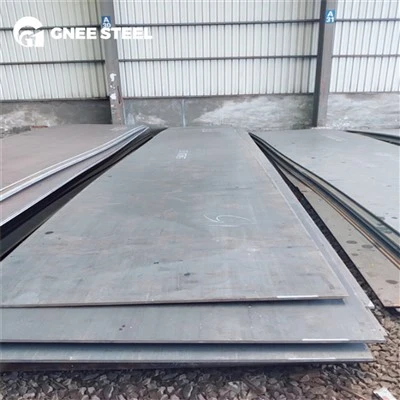
As a supplier of JIS Low Alloy Steel Plate, I often encounter various questions from customers regarding the properties and processing methods of our products. One frequently asked question is whether JIS Low Alloy Steel Plate can be pickled. In this blog, I will delve into this topic, providing a comprehensive analysis based on scientific knowledge and practical experience.
Understanding JIS Low Alloy Steel Plate
JIS Low Alloy Steel Plate refers to steel plates that conform to the Japanese Industrial Standards (JIS) and contain a relatively small amount of alloying elements. These alloying elements, such as manganese, silicon, and chromium, are added in small quantities to enhance the mechanical properties of the steel, including strength, toughness, and corrosion resistance.
Some of our popular products in this category include JIS SM490YA YB High Strength Low Alloy Hsla Steel Plate, SM520B Welded Structural Steel Plate, and JIS SMA400AP BP CP Low Alloy Structural Steel Plate. These steel plates are widely used in various industries, such as construction, machinery manufacturing, and shipbuilding, due to their excellent performance.
The Pickling Process
Pickling is a metal surface treatment process used to remove impurities, such as rust, scale, and oxide layers, from the surface of metal materials. It typically involves immersing the metal in an acid solution, such as hydrochloric acid or sulfuric acid, for a certain period of time. The acid reacts with the impurities on the metal surface, dissolving them and leaving a clean metal surface.
The pickling process offers several benefits. Firstly, it improves the surface quality of the metal, making it smoother and more uniform. This is particularly important for applications where a high-quality surface finish is required, such as in the production of precision components. Secondly, pickling can enhance the corrosion resistance of the metal by removing the oxide layer that may act as a catalyst for corrosion. Finally, it can also improve the adhesion of coatings or paints applied to the metal surface, ensuring better protection and aesthetics.
Can JIS Low Alloy Steel Plate be Pickled?
The answer is yes, JIS Low Alloy Steel Plate can be pickled. However, several factors need to be considered to ensure a successful pickling process.

Alloying Elements
The alloying elements in JIS Low Alloy Steel Plate can affect the pickling process. Some alloying elements, such as chromium and nickel, form a passive oxide layer on the steel surface, which can make it more difficult to remove the scale and impurities during pickling. In such cases, a stronger acid solution or a longer pickling time may be required. On the other hand, some alloying elements, such as manganese, can accelerate the pickling process by promoting the dissolution of the oxide layer.
Surface Condition
The initial surface condition of the steel plate also plays a crucial role in the pickling process. If the steel plate has a thick layer of rust or scale, it may require a more aggressive pickling treatment. Additionally, if the surface has been contaminated with oil or other substances, it needs to be cleaned thoroughly before pickling to ensure the effectiveness of the acid solution.
Pickling Solution
The choice of pickling solution is essential for achieving the desired results. Hydrochloric acid and sulfuric acid are the most commonly used acids for pickling steel. Hydrochloric acid is more effective in removing iron oxide and scale, while sulfuric acid is better suited for removing other types of impurities. The concentration and temperature of the acid solution also need to be carefully controlled to avoid over-pickling or under-pickling.
Post-Pickling Treatment
After pickling, the steel plate needs to be rinsed thoroughly with water to remove any residual acid. It is also recommended to apply a passivation treatment to form a protective oxide layer on the surface, which can further enhance the corrosion resistance of the steel.
Practical Considerations in Pickling JIS Low Alloy Steel Plate
In practical applications, the pickling process of JIS Low Alloy Steel Plate needs to be carefully planned and executed to ensure quality and safety.
Quality Control
Strict quality control measures should be implemented throughout the pickling process. This includes monitoring the composition and temperature of the pickling solution, as well as the pickling time. Regular inspections should be carried out to check the surface quality of the steel plate after pickling. Any defects, such as pitting or over-pickling, should be addressed immediately to avoid affecting the performance of the steel plate.

Safety Precautions
Pickling involves the use of strong acids, which can be hazardous to human health and the environment. Therefore, appropriate safety precautions must be taken. Workers should wear protective clothing, gloves, and goggles to prevent contact with the acid solution. Adequate ventilation should be provided in the pickling area to avoid the accumulation of acid fumes. Additionally, proper waste disposal procedures should be followed to minimize the environmental impact.
Conclusion
In conclusion, JIS Low Alloy Steel Plate can be pickled to improve its surface quality and corrosion resistance. However, the pickling process needs to take into account various factors, such as the alloying elements, surface condition, pickling solution, and post-pickling treatment. By carefully controlling these factors and implementing strict quality control and safety measures, a successful pickling process can be achieved.
If you are interested in our JIS Low Alloy Steel Plate products or have any questions about the pickling process, please feel free to contact us for further discussion and procurement negotiation. We are committed to providing high-quality products and professional services to meet your needs.

References
- ASM Handbook, Volume 2: Properties and Selection: Nonferrous Alloys and Special-Purpose Materials, ASM International
- Metals Handbook: Desk Edition, Third Edition, ASM International
- Corrosion Basics: An Introduction, NACE International