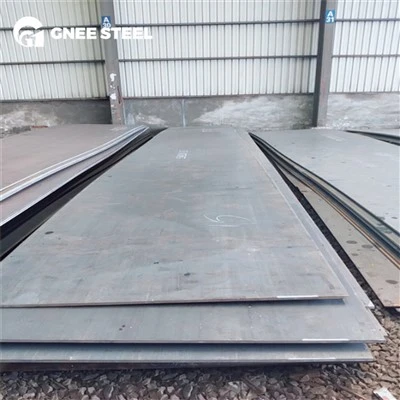
As a supplier of JIS Low Alloy Steel Plate, ensuring the flatness of our products is of utmost importance. Flatness is a critical quality parameter that affects the performance and usability of the steel plates in various applications. In this blog, I will share some key strategies and techniques that we employ to guarantee the flatness of JIS Low Alloy Steel Plate.
Understanding the Importance of Flatness
Flatness is crucial for several reasons. First, it ensures proper fit and alignment when the steel plates are used in construction, manufacturing, or other applications. A flat plate can be easily welded, bolted, or assembled, reducing the risk of structural issues and improving overall product quality. Second, flatness affects the surface finish of the steel plate. A flat surface provides a smooth and even appearance, which is desirable for aesthetic reasons and can also enhance the corrosion resistance of the plate. Finally, flatness is essential for accurate machining and processing. When the plate is flat, it can be cut, drilled, and shaped more precisely, resulting in higher precision and better quality end products.
Factors Affecting Flatness
Several factors can affect the flatness of JIS Low Alloy Steel Plate. These include:
- Rolling Process: The rolling process is one of the most critical factors in determining the flatness of the steel plate. During rolling, the steel is passed through a series of rollers to reduce its thickness and shape it into the desired dimensions. If the rolling process is not properly controlled, it can result in uneven thickness, waviness, or other flatness defects.
- Heat Treatment: Heat treatment is another important factor that can affect the flatness of the steel plate. During heat treatment, the steel is heated to a specific temperature and then cooled at a controlled rate to improve its mechanical properties. However, if the heat treatment process is not properly controlled, it can cause thermal stresses in the plate, leading to distortion and flatness issues.
- Handling and Storage: Improper handling and storage of the steel plate can also affect its flatness. If the plate is stacked or stored in an uneven manner, it can cause deformation and flatness defects. Additionally, if the plate is exposed to excessive heat, moisture, or other environmental factors, it can also affect its flatness.
Strategies for Ensuring Flatness
To ensure the flatness of JIS Low Alloy Steel Plate, we employ several strategies and techniques, including:
- Quality Control in Rolling: We use advanced rolling mills and equipment to ensure precise control of the rolling process. Our rolling mills are equipped with advanced sensors and control systems that monitor and adjust the rolling parameters in real-time to ensure consistent thickness and flatness. Additionally, we conduct regular inspections and quality checks during the rolling process to detect and correct any flatness defects.
- Proper Heat Treatment: We use a carefully controlled heat treatment process to ensure the mechanical properties of the steel plate while minimizing the risk of flatness issues. Our heat treatment process is designed to reduce thermal stresses and ensure uniform cooling, which helps to prevent distortion and flatness defects. We also conduct regular inspections and quality checks after heat treatment to ensure the flatness of the plate.
- Handling and Storage Best Practices: We follow strict handling and storage procedures to ensure the flatness of the steel plate. Our plates are stored on flat and level surfaces to prevent deformation. Additionally, we use proper lifting and handling equipment to ensure that the plates are not damaged during transportation and storage.
- Advanced Inspection Techniques: We use advanced inspection techniques, such as laser scanning and ultrasonic testing, to detect and measure any flatness defects in the steel plate. These techniques allow us to identify and correct any issues before the plates are delivered to our customers.
Specific JIS Low Alloy Steel Plate Products
We offer a wide range of JIS Low Alloy Steel Plate products, including JIS SMA400AP BP CP Low Alloy Structural Steel Plate, JIS SM400A B C Low Alloy Steel Material Plate, and JIS G3101 SS400 Low Alloy Steel Plate. These products are designed to meet the specific requirements of various industries and applications, and we ensure the flatness of each product through our rigorous quality control processes.
Conclusion
Ensuring the flatness of JIS Low Alloy Steel Plate is a complex but essential task. By understanding the factors that affect flatness and implementing effective strategies and techniques, we can guarantee the quality and performance of our products. If you are in the market for high-quality JIS Low Alloy Steel Plate, we invite you to contact us for a consultation and to discuss your specific requirements. We are committed to providing our customers with the best possible products and services, and we look forward to working with you.


References
- "Steel Plate Flatness: Causes and Solutions." Journal of Steel Research.
- "Quality Control in Steel Plate Manufacturing." International Journal of Metallurgy.
- "Advanced Inspection Techniques for Steel Plate Flatness." Proceedings of the International Conference on Steel Quality.