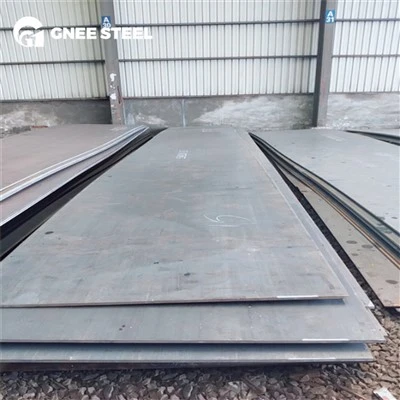
What is the hardness of wear resistant steel plate?
As a supplier of wear resistant steel plates, I often get asked about the hardness of these plates. Hardness is a crucial property when it comes to wear resistant steel, as it directly affects the plate's ability to withstand abrasion, impact, and other forms of wear. In this blog post, I'll delve into what hardness means in the context of wear resistant steel plates, how it's measured, and why it matters.
Understanding Hardness in Wear Resistant Steel
Hardness can be defined as a material's resistance to local deformation, typically by indentation. In the case of wear resistant steel plates, a higher hardness generally means better resistance to wear. When a hard surface comes into contact with abrasive materials, it's less likely to be scratched, gouged, or worn down compared to a softer surface.
There are several types of hardness, but the most common ones used to measure wear resistant steel are Brinell hardness (HB), Rockwell hardness (HRC), and Vickers hardness (HV). Each of these methods has its own scale and is suitable for different applications and material types.
Brinell Hardness (HB)
The Brinell hardness test involves pressing a hardened steel or carbide ball of a specified diameter into the surface of the steel plate under a defined load. The diameter of the resulting indentation is then measured, and the Brinell hardness number (BHN) is calculated. This method is often used for thicker and coarser-grained materials. For wear resistant steel plates, Brinell hardness values can range from around 300 HB to over 600 HB, depending on the grade.
Rockwell Hardness (HRC)
The Rockwell hardness test uses a diamond cone or a hardened steel ball indenter. The indenter is first applied with a minor load, and then a major load is added. The difference in the depth of the indentation before and after the major load is used to determine the Rockwell hardness number. Rockwell hardness is commonly used for thinner materials and in applications where a quick and relatively non - destructive test is required.
Vickers Hardness (HV)
The Vickers hardness test uses a square - based pyramid indenter. A load is applied to the indenter, which creates an indentation on the material's surface. The diagonal length of the indentation is measured, and the Vickers hardness number is calculated. This method is very accurate and can be used for a wide range of materials and hardness levels.
Why Hardness Matters in Wear Resistant Steel Plates
The hardness of a wear resistant steel plate is directly related to its performance in various applications. Here are some key reasons why hardness is so important:
Abrasion Resistance
In applications where the steel plate is exposed to abrasive materials such as sand, gravel, or ore, a higher hardness means less material loss due to abrasion. For example, in mining equipment like conveyor belts, crushers, and hoppers, wear resistant steel plates with high hardness can significantly extend the service life of the equipment.
Impact Resistance
Hardness also plays a role in impact resistance. While too high a hardness can make the steel brittle, a well - balanced hardness can help the plate absorb and distribute impact energy without cracking or deforming. This is crucial in applications such as dump trucks, where the plates are subjected to repeated impacts from heavy loads.
Cost - Effectiveness
Using wear resistant steel plates with the appropriate hardness can lead to cost savings in the long run. Although harder plates may be more expensive upfront, they require less frequent replacement, reducing downtime and maintenance costs.
Popular Wear Resistant Steel Plate Grades and Their Hardness
There are many different grades of wear resistant steel plates available on the market. Here are a few popular ones and their typical hardness values:
JFE - EH - C550 Wear Plate Steel
The JFE - EH - C550 Wear Plate Steel is known for its excellent wear resistance. It typically has a Brinell hardness of around 500 - 550 HB. This grade is often used in applications where high - abrasion resistance is required, such as in the construction and mining industries.
NM550 Wear Steel Plate
The NM550 Wear Steel Plate is another popular choice. It has a hardness in the range of 500 - 550 HB as well. NM550 is suitable for applications like bulldozer blades, excavator buckets, and other heavy - duty equipment.

Wear Resistance Steel Plate - NM 600
The Wear Resistance Steel Plate - NM 600 is one of the harder wear resistant steel plates, with a Brinell hardness of around 580 - 630 HB. It offers superior wear resistance and is often used in the most demanding applications, such as in the cement and power generation industries.
Factors Affecting the Hardness of Wear Resistant Steel Plates
Several factors can influence the hardness of wear resistant steel plates:
Chemical Composition
The chemical composition of the steel, including elements such as carbon, manganese, chromium, and nickel, has a significant impact on hardness. For example, increasing the carbon content generally increases the hardness of the steel, but it can also make the steel more brittle. Alloying elements like chromium and nickel can enhance the hardenability and wear resistance of the steel.
Heat Treatment
Heat treatment processes such as quenching and tempering are used to adjust the hardness of wear resistant steel plates. Quenching involves rapidly cooling the steel from a high temperature, which creates a hard and brittle structure. Tempering is then used to reduce the brittleness and improve the toughness of the steel while maintaining a high level of hardness.
Manufacturing Process
The manufacturing process, including rolling and forging, can also affect the hardness of the steel plate. Proper rolling and forging can help to refine the grain structure of the steel, which in turn can improve its hardness and mechanical properties.
Selecting the Right Hardness for Your Application
When selecting a wear resistant steel plate, it's important to consider the specific requirements of your application. Here are some guidelines to help you choose the right hardness:
-
Identify the Type of Wear
Determine whether the wear is mainly due to abrasion, impact, or a combination of both. If the wear is primarily abrasive, a higher hardness plate may be more suitable. If impact is a major factor, you may need to balance hardness with toughness.
-
Consider the Operating Conditions
Take into account the temperature, pressure, and the type of abrasive materials involved in the application. For example, in high - temperature environments, the hardness of the steel may decrease, so you may need to choose a plate with a higher initial hardness.
-
Evaluate the Cost - Benefit Ratio
Compare the cost of the wear resistant steel plate with its expected service life. While a harder plate may be more expensive, it can save you money in the long run by reducing replacement and maintenance costs.
Conclusion
The hardness of wear resistant steel plates is a critical factor in determining their performance and suitability for different applications. By understanding the different hardness measurement methods, the importance of hardness in wear resistance, and the factors that affect hardness, you can make an informed decision when selecting a wear resistant steel plate for your specific needs.
If you're interested in purchasing wear resistant steel plates or have any questions about their hardness and performance, please feel free to contact us. We're here to help you find the right solution for your application.
References
- ASM Handbook, Volume 8: Mechanical Testing and Evaluation
- Metals Handbook Desk Edition, 3rd Edition
- Various technical datasheets from steel manufacturers