

Hey there! As a supplier of Pressure Vessel Steel Plate, I've been in the industry for quite some time, and I know how crucial it is to ensure top - notch quality control during production. In this blog, I'll share some key steps we take to make sure our products meet the highest standards.
1. Raw Material Selection
The very first step in ensuring quality control starts with choosing the right raw materials. We don't just pick any steel; we're super picky. We source our steel from reliable mills that have a proven track record of producing high - quality steel. Before we even consider buying, we check the mill's certifications and test reports. This way, we know the steel has the right chemical composition and mechanical properties.
For example, the carbon content in the steel is a big deal. Too much carbon can make the steel brittle, which is a no - go for pressure vessels. We make sure the carbon content is within the specified range. And it's not just about carbon; elements like manganese, silicon, and sulfur also play important roles. If the sulfur content is too high, it can cause cracking during welding, which is a major quality issue.
We also look at the physical condition of the raw steel. It should be free from any surface defects like cracks, scratches, or rust. A defective raw material is like building a house on a shaky foundation; it's bound to cause problems down the line.
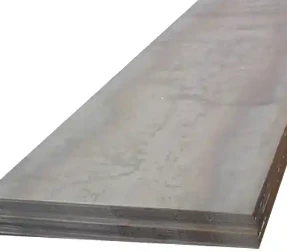

2. In - process Quality Checks
Once the raw materials are in our production facility, the real work begins. We have a series of in - process quality checks at every stage of production.
Heating and Rolling
When we heat the steel for rolling, we closely monitor the temperature. The heating process is critical because it affects the grain structure of the steel. If the temperature is too high or too low, the steel's mechanical properties can be compromised. We use advanced temperature sensors to make sure the steel is heated to the optimal temperature.
During the rolling process, we check the thickness, width, and flatness of the steel plate. Even a small deviation from the specified dimensions can lead to problems when the pressure vessel is assembled. We use precision measuring tools to ensure that the plate meets the required specifications.
Heat Treatment
Heat treatment is another crucial step in the production of pressure vessel steel plates. It helps to improve the steel's strength, toughness, and ductility. We have strict protocols for heat treatment. The heating rate, holding time, and cooling rate are all carefully controlled.
We also perform non - destructive testing (NDT) after heat treatment. This includes methods like ultrasonic testing (UT), magnetic particle testing (MT), and radiographic testing (RT). These tests help us detect any internal or surface defects that may have occurred during the heat treatment process. For example, UT can detect internal flaws like cracks or voids that are not visible to the naked eye.
3. Final Inspection
After the production process is complete, we conduct a comprehensive final inspection. This is like the last checkpoint before the steel plate leaves our facility.
We start with a visual inspection. We look for any surface defects that may have been missed during the in - process checks. Even a small scratch can be a potential weak point in the pressure vessel, so we're very thorough.
We also perform mechanical property testing. This includes tests like tensile testing, impact testing, and hardness testing. Tensile testing helps us determine the steel's strength and ductility. Impact testing measures the steel's ability to withstand sudden shocks, which is important for pressure vessels that may be subject to dynamic loads. Hardness testing gives us an idea of the steel's resistance to wear and deformation.
In addition to mechanical property testing, we also check the chemical composition of the steel plate one last time. This ensures that the final product has the same chemical composition as specified in the design.
4. Documentation and Traceability
Quality control isn't just about the physical product; it's also about the documentation. We keep detailed records of every step of the production process, from raw material procurement to final inspection. This documentation includes test reports, production logs, and quality control checklists.
Traceability is also important. We can trace every steel plate back to its raw material source. This means that if there's ever a quality issue with a pressure vessel, we can quickly identify where the problem originated. It gives our customers peace of mind knowing that they can trust the quality of our products.
5. Continuous Improvement
We're always looking for ways to improve our quality control processes. We regularly review our production methods and quality control procedures. We also keep an eye on industry trends and new technologies.
For example, we're constantly exploring new NDT techniques that can provide more accurate and detailed information about the steel plate's internal structure. We also participate in industry conferences and workshops to learn from other experts in the field.
By continuously improving our quality control processes, we can ensure that our Pressure Vessel Steel Plates meet the ever - increasing demands of our customers.
Why Choose Our Pressure Vessel Steel Plates
Our commitment to quality control sets us apart from other suppliers. When you choose our Pressure Vessel Steel Plate, you're getting a product that has been thoroughly tested and inspected at every stage of production.
We also offer a wide range of Pressure Vessel Steel Sheet options to meet different customer needs. Whether you need a specific thickness, width, or grade of steel, we can provide it.
If you're in the market for high - quality pressure vessel steel plates, don't hesitate to get in touch with us. We're here to answer any questions you may have and to help you find the right product for your project. Our team of experts is ready to assist you with your procurement needs. So, let's start a conversation and see how we can work together to ensure the success of your pressure vessel project.
References
- ASME Boiler and Pressure Vessel Code
- ASTM International Standards for Steel Plates
- Industry best practices for pressure vessel steel plate production


