

Hey there! As a supplier of EN Pressure Vessel Plates, I've seen my fair share of issues that customers run into during the use of these plates. In this blog, I'll share some common problems and how to solve them.
1. Cracking Issues
One of the most common problems with EN Pressure Vessel Plates is cracking. Cracks can occur due to various reasons, such as improper welding, excessive stress, or poor material quality.
Welding - related Cracking
Welding is a critical process when using pressure vessel plates. If the welding parameters are not set correctly, it can lead to cracking. For example, if the welding speed is too fast, the heat input may be insufficient, resulting in incomplete fusion and cracking. On the other hand, if the welding current is too high, it can cause excessive heat and distortion, which also increases the risk of cracking.
To solve this problem, it's essential to follow the proper welding procedures. Make sure to pre - heat the plates before welding according to the material specifications. For instance, for P460NL1 Hot Rolled Boiler Steel Plates, the pre - heating temperature should be within a certain range to reduce the cooling rate and prevent cracking. Also, use the appropriate welding electrodes and filler metals that are compatible with the EN Pressure Vessel Plate. Regularly check and calibrate the welding equipment to ensure stable and accurate welding parameters.
Stress - induced Cracking
Excessive stress can also cause cracking in pressure vessel plates. This can happen during the installation process if the plates are not properly aligned or supported. Uneven loading or vibration during operation can also lead to stress concentration and cracking.
To address stress - induced cracking, ensure proper installation. Use proper support structures to distribute the load evenly across the plates. During the design phase, analyze the stress distribution in the pressure vessel to identify potential high - stress areas. Reinforce these areas if necessary. Additionally, monitor the operating conditions of the pressure vessel regularly. If there are any abnormal vibrations or load changes, take immediate action to correct them.
2. Corrosion Problems
Corrosion is another significant issue that can affect the performance and lifespan of EN Pressure Vessel Plates. There are different types of corrosion, including uniform corrosion, pitting corrosion, and stress - corrosion cracking.
Uniform Corrosion
Uniform corrosion occurs when the entire surface of the plate is gradually corroded due to exposure to corrosive environments, such as acidic or alkaline solutions. This can reduce the thickness of the plate and weaken its structural integrity.
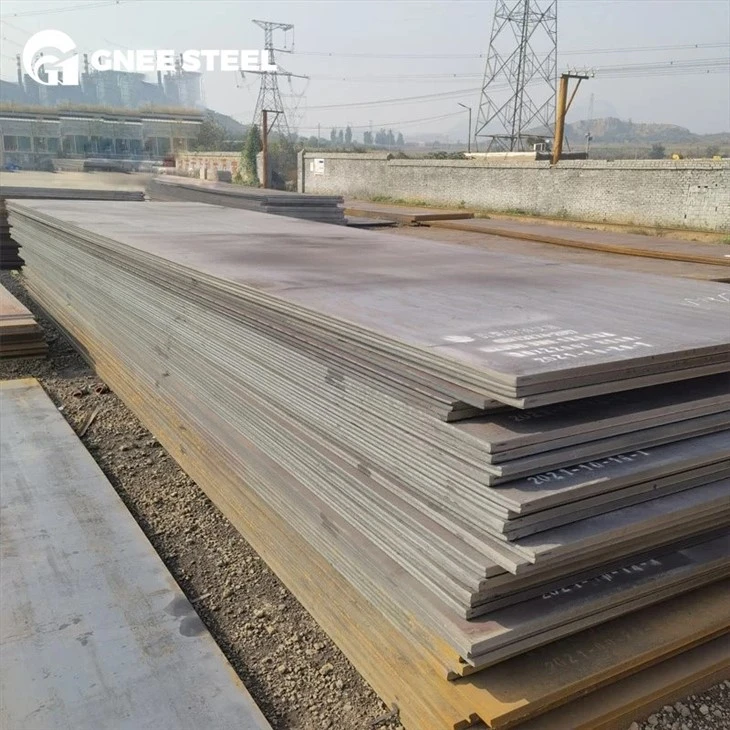
To prevent uniform corrosion, choose the right material for the specific corrosive environment. For example, some EN Pressure Vessel Plates are more resistant to corrosion than others. For applications in a mildly acidic environment, P690QH Vessel Steel Plate may be a good choice. Apply a protective coating on the surface of the plate. There are various types of coatings available, such as epoxy coatings and zinc - rich coatings. These coatings act as a barrier between the plate and the corrosive medium.
Pitting Corrosion
Pitting corrosion is a localized form of corrosion that causes small pits or holes on the surface of the plate. It can occur in the presence of chloride ions, which are commonly found in seawater and some industrial chemicals.
To combat pitting corrosion, control the chemical composition of the environment. If possible, reduce the concentration of chloride ions. Regularly inspect the surface of the plate for any signs of pitting. If pitting is detected, it's important to take corrective measures promptly. This may involve removing the corroded area and applying a new protective coating.
Stress - corrosion Cracking
Stress - corrosion cracking is a combination of tensile stress and a corrosive environment, which can lead to sudden and catastrophic failure of the pressure vessel.
To prevent stress - corrosion cracking, eliminate or reduce the tensile stress in the plate. This can be achieved through proper design and manufacturing processes. Use stress - relieving heat treatments after welding or forming operations. Also, select materials that are resistant to stress - corrosion cracking in the specific environment.
3. Deformation Issues
Deformation of EN Pressure Vessel Plates can occur during manufacturing, installation, or operation.
Manufacturing - related Deformation
During the rolling or forming process, if the process parameters are not well - controlled, the plates may experience deformation. For example, uneven cooling during rolling can cause warping or bowing of the plate.
To solve manufacturing - related deformation, optimize the manufacturing process. Ensure that the rolling and forming equipment is properly calibrated. Monitor the temperature and cooling rate during the manufacturing process. If deformation occurs, it may be possible to correct it through mechanical straightening or heat - treatment processes.
Installation - related Deformation
Improper installation can also lead to deformation of the pressure vessel plates. For example, if the plates are forced into position without proper alignment, it can cause bending or twisting.
To avoid installation - related deformation, follow the installation instructions carefully. Use proper alignment tools and techniques to ensure that the plates are installed correctly. Check the alignment at different stages of the installation process.
Operation - related Deformation
During operation, factors such as excessive pressure, temperature changes, or uneven loading can cause deformation of the plates.
To prevent operation - related deformation, monitor the operating conditions of the pressure vessel. Set up alarms to detect abnormal pressure or temperature changes. If necessary, adjust the operating parameters to keep them within the safe range.
4. Material Quality Issues
Sometimes, the problems with EN Pressure Vessel Plates can be related to the material quality itself.
Inclusions and Defects
Inclusions are foreign particles or impurities that are present in the plate. They can weaken the mechanical properties of the plate and increase the risk of cracking.
To ensure high - quality material, work with reliable suppliers. Conduct strict quality control inspections on the incoming plates. Use non - destructive testing methods, such as ultrasonic testing and magnetic particle testing, to detect inclusions and other defects. If inclusions or defects are found, reject the plates or take appropriate measures to repair them.
Incorrect Material Specification
Using the wrong material specification for a particular application can also lead to problems. For example, if a plate with lower strength is used in a high - pressure application, it may not be able to withstand the load.
To avoid incorrect material specification, clearly define the requirements of the application. Consult with a materials expert or engineer to select the appropriate EN Pressure Vessel Plate. Provide detailed information about the operating conditions, such as pressure, temperature, and corrosive environment, to ensure that the right material is chosen.
In conclusion, solving the problems with EN Pressure Vessel Plates during use requires a comprehensive approach. It involves proper material selection, strict manufacturing and installation processes, regular inspection and maintenance, and prompt action when problems are detected. If you're facing any issues with EN Pressure Vessel Plates or are interested in purchasing high - quality plates for your project, feel free to contact us for further discussion and procurement negotiation.
References
- ASME Boiler and Pressure Vessel Code
- European Standard EN 10028 for Pressure Vessel Steels


