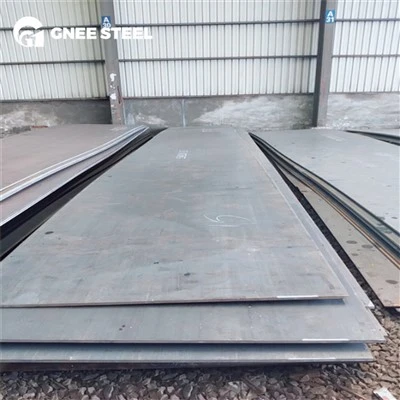
As a supplier of BV Shipbuilding Steel Plate, ensuring the safe transportation of these high - quality products is of utmost importance. BV Shipbuilding Steel Plates are widely used in the shipbuilding industry due to their excellent strength, durability, and compliance with Bureau Veritas (BV) standards. In this blog, I will share some key strategies and considerations for transporting BV Shipbuilding Steel Plate safely.
1. Pre - transport Preparation
Before the actual transportation, a series of preparatory steps are necessary. First, a detailed inspection of the steel plates is required. Check for any visible damage, such as scratches, dents, or cracks. Any defective plates should be separated and dealt with appropriately. This helps to avoid further damage during transportation and ensures that only high - quality products reach the customer.
Next, proper packaging is crucial. The steel plates should be bundled securely to prevent movement during transit. Using strong steel strapping or ropes to bind the plates together can effectively reduce the risk of shifting. Additionally, protective materials like plastic sheets or wooden pallets can be used to prevent corrosion and physical damage. For example, plastic sheets can act as a barrier against moisture, which is a major cause of rust on steel plates.
2. Choosing the Right Transportation Mode
There are several transportation modes available for shipping BV Shipbuilding Steel Plate, each with its own advantages and limitations.
Road Transportation
Road transportation is a flexible option, especially for short - distance deliveries. Trucks can directly transport the steel plates to the destination, reducing the need for multiple transfers. However, road transportation is limited by the weight and size restrictions of the vehicle. When choosing a truck, ensure that it has the appropriate load - carrying capacity and is equipped with proper securing mechanisms. Specialized flatbed trucks are often used for transporting large steel plates, as they provide a stable platform for the load.
Rail Transportation
Rail transportation is suitable for long - distance shipping. Trains can carry large quantities of steel plates at once, making it a cost - effective option. Rails also offer a relatively stable and smooth ride, which helps to minimize the risk of damage. However, rail transportation requires proper loading and unloading facilities at both the origin and destination. The steel plates need to be loaded onto the train cars carefully to ensure they are evenly distributed and secured.
Sea Transportation
For international shipments or long - distance over - water transport, sea transportation is a common choice. Shipping containers are often used to transport BV Shipbuilding Steel Plate. Containers provide protection from the elements and can be easily transferred between different modes of transportation. When using sea transportation, it is important to choose a reliable shipping company with experience in transporting heavy and bulky goods. The containers should be properly sealed to prevent water ingress, and the steel plates should be stowed in a way that maximizes space utilization while ensuring stability.

3. Securing the Load
Regardless of the transportation mode, securing the load is essential to prevent damage. When using road or rail transportation, the steel plates should be firmly tied down to the vehicle or train car. Anti - slip mats can be placed between the plates and the transport surface to prevent sliding. For sea transportation, the containers should be properly secured within the ship's hold to withstand the movement of the vessel in rough seas.
In addition to physical securing, proper stowage planning is also important. The steel plates should be arranged in a way that distributes the weight evenly. This helps to prevent stress concentration on certain parts of the plates, which could lead to deformation or cracking.

4. Monitoring and Tracking
During transportation, it is important to monitor the condition of the steel plates. This can be done through various means, such as using sensors to detect temperature, humidity, and vibration. Real - time tracking systems can also be used to monitor the location and movement of the shipment. If any abnormal conditions are detected, immediate action can be taken to prevent further damage.
5. Insurance
Obtaining appropriate insurance coverage is a vital step in protecting the value of the BV Shipbuilding Steel Plate during transportation. Insurance can provide financial compensation in case of damage, loss, or theft. When choosing an insurance policy, make sure it covers all potential risks associated with the transportation mode and the specific characteristics of the steel plates.
6. Examples of BV Shipbuilding Steel Plate
There are different grades of BV Shipbuilding Steel Plate available in the market. For instance, the BV A420 Shipbuilding Steel Plate is known for its high strength and good weldability. It is widely used in the construction of large - scale ships. The BV AH40 Shipbuilding Steel Plate offers excellent toughness and impact resistance, making it suitable for areas of the ship that are subject to high stress. And the BV Grade FH40 Shipbuilding Plates are designed for use in harsh marine environments, with high resistance to corrosion and fatigue.
7. Conclusion and Call to Action
In conclusion, safe transportation of BV Shipbuilding Steel Plate requires careful planning, proper packaging, appropriate transportation mode selection, secure load - securing, monitoring, and insurance. By following these steps, we can ensure that the high - quality steel plates reach our customers in perfect condition.
If you are in the market for BV Shipbuilding Steel Plate and want to learn more about our products and services, or if you have any questions regarding transportation or other aspects, please feel free to reach out. We are committed to providing you with the best solutions and ensuring a smooth procurement process.
References
- "Marine Steel Structures: Design, Construction and Maintenance" by David Eyres
- "Transportation Logistics: Principles, Practices, and Strategies" by John Langley Jr.
- Bureau Veritas Standards for Shipbuilding Steel