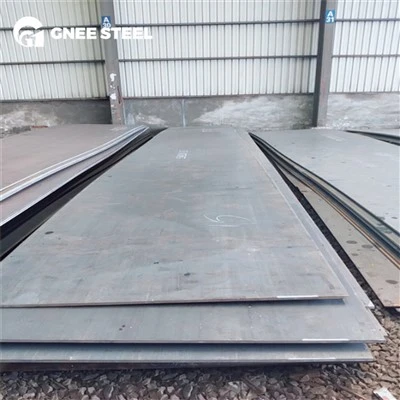
Shipbuilding is a complex and highly specialized industry, where the quality and design of steel plates play a crucial role in ensuring the safety, durability, and performance of different ship types. As a leading supplier of shipbuilding steel plates, we understand the diverse design requirements that vary according to the specific needs of each ship type.
In this blog, we will explore the key design requirements for shipbuilding steel plates in different ship types, highlighting the importance of selecting the right steel for optimal performance.
General Design Requirements for Shipbuilding Steel Plates
Before delving into the specific requirements for different ship types, it is essential to understand the general design requirements for shipbuilding steel plates. These requirements include:
- Strength and Toughness: Shipbuilding steel plates must possess high strength and toughness to withstand the harsh marine environment, including waves, wind, and impact loads. The steel plates should have sufficient yield strength and tensile strength to ensure the structural integrity of the ship.
- Weldability: Good weldability is crucial for shipbuilding steel plates, as welding is the primary method of joining steel components. The steel plates should be easily weldable without causing significant distortion or cracking, ensuring the quality and reliability of the welded joints.
- Corrosion Resistance: Ships are constantly exposed to seawater, which can cause corrosion and damage to the steel structure. Shipbuilding steel plates should have excellent corrosion resistance to prevent rusting and extend the service life of the ship.
- Formability: Shipbuilding steel plates need to be formable to meet the complex shapes and structures required in ship construction. The steel plates should be able to be bent, rolled, and shaped without cracking or losing their mechanical properties.
Design Requirements for Different Ship Types
Cargo Ships
Cargo ships are designed to transport various types of goods, including bulk cargo, containerized cargo, and liquid cargo. The design requirements for cargo ship steel plates focus on strength, durability, and corrosion resistance.
- Strength: Cargo ships need to withstand heavy loads and stresses during transportation. The steel plates used in cargo ships should have high strength to support the weight of the cargo and ensure the structural integrity of the ship. For example, AH36 DH36 Ship Hull Structure is commonly used in cargo ship construction due to its high strength and good weldability.
- Durability: Cargo ships operate in harsh marine environments, and the steel plates need to be durable to withstand corrosion, abrasion, and impact. The steel plates should have a long service life to reduce maintenance costs and ensure the safety of the ship.
- Corrosion Resistance: Cargo ships are exposed to seawater for extended periods, and the steel plates need to have excellent corrosion resistance to prevent rusting and damage. Special coatings and treatments can be applied to the steel plates to enhance their corrosion resistance.
Passenger Ships
Passenger ships are designed to transport passengers and provide a comfortable and safe travel experience. The design requirements for passenger ship steel plates focus on safety, comfort, and aesthetics.
- Safety: Passenger ships need to meet strict safety standards to ensure the well - being of passengers and crew. The steel plates used in passenger ships should have high strength and toughness to withstand potential collisions and other emergencies. For example, GL E690 Shipbuilding Steel Plate is a high - strength steel plate that can be used in critical structural components of passenger ships to enhance safety.
- Comfort: Passenger ships are designed to provide a comfortable environment for passengers. The steel plates should be designed to minimize noise and vibration, ensuring a smooth and quiet journey.
- Aesthetics: The appearance of passenger ships is also important, and the steel plates should be smooth and free of defects to enhance the overall aesthetics of the ship.
Naval Ships
Naval ships are designed for military purposes, and the design requirements for naval ship steel plates focus on strength, stealth, and protection.
- Strength: Naval ships need to withstand high - intensity combat situations and extreme environmental conditions. The steel plates used in naval ships should have extremely high strength and toughness to resist damage from weapons and other external forces.
- Stealth: Naval ships often require stealth capabilities to avoid detection. The steel plates can be designed with special coatings and materials to reduce the ship's radar signature and enhance its stealth performance.
- Protection: Naval ships need to provide protection for the crew and equipment. The steel plates can be used in the construction of armor and other protective structures to safeguard the ship from attacks.
Offshore Vessels
Offshore vessels are used in the oil and gas industry for exploration, production, and transportation. The design requirements for offshore vessel steel plates focus on corrosion resistance, fatigue resistance, and high - temperature performance.
- Corrosion Resistance: Offshore vessels are exposed to harsh marine environments, including saltwater, high humidity, and corrosive chemicals. The steel plates used in offshore vessels should have excellent corrosion resistance to prevent rusting and damage.
- Fatigue Resistance: Offshore vessels are subject to cyclic loading and vibrations, which can cause fatigue damage to the steel plates. The steel plates should have high fatigue resistance to ensure the long - term durability of the vessel.
- High - Temperature Performance: Offshore vessels may operate in high - temperature environments, especially in the vicinity of oil and gas production facilities. The steel plates should be able to maintain their mechanical properties at high temperatures.
Selecting the Right Shipbuilding Steel Plate
Selecting the right shipbuilding steel plate is crucial for ensuring the performance and safety of the ship. When choosing a steel plate, the following factors should be considered:
- Ship Type: Different ship types have different design requirements, and the steel plate should be selected based on the specific needs of the ship.
- Operating Environment: The operating environment of the ship, including seawater conditions, temperature, and weather, should be taken into account when selecting the steel plate.
- Cost - Effectiveness: The cost of the steel plate is also an important factor. While high - quality steel plates may be more expensive, they can provide long - term cost savings by reducing maintenance and replacement costs.
As a Shipbuilding Steel Plate supplier, we offer a wide range of steel plates that meet the design requirements of different ship types. Our products include AH36 DH36 Ship Hull Structure, GL E690 Shipbuilding Steel Plate, and ASTM A131 AH 32 steel used in shipbuilding. We have a team of experts who can provide professional advice on steel plate selection and application.

If you are in the market for shipbuilding steel plates, we invite you to contact us for a detailed discussion. Our experienced sales team will be happy to assist you in finding the right steel plates for your specific needs. We are committed to providing high - quality products and excellent customer service to ensure your satisfaction.
References
- "Shipbuilding Steel - An Overview", Journal of Marine Engineering
- "Design and Construction of Ships", Naval Architecture Handbook
- "Corrosion Resistance of Shipbuilding Steel", International Journal of Maritime Research