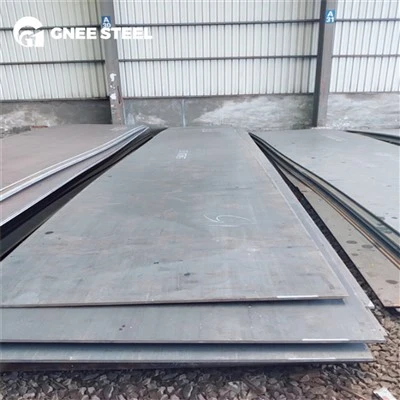
Hey there! As a supplier of Pressure Vessel Steel Plate, I've got a lot to share about the requirements for this essential material in oil and gas pipelines. Let's dive right in!
Strength and Toughness
One of the most critical requirements for pressure vessel steel plates in oil and gas pipelines is high strength. These pipelines often operate under extremely high pressures, sometimes reaching thousands of pounds per square inch. So, the steel plates need to be able to withstand these forces without deforming or failing.
For instance, when oil is being transported from an offshore rig to an on - shore refinery, the pipeline has to handle the pressure generated by the pumping system. A steel plate with insufficient strength could lead to leaks or even catastrophic failures.

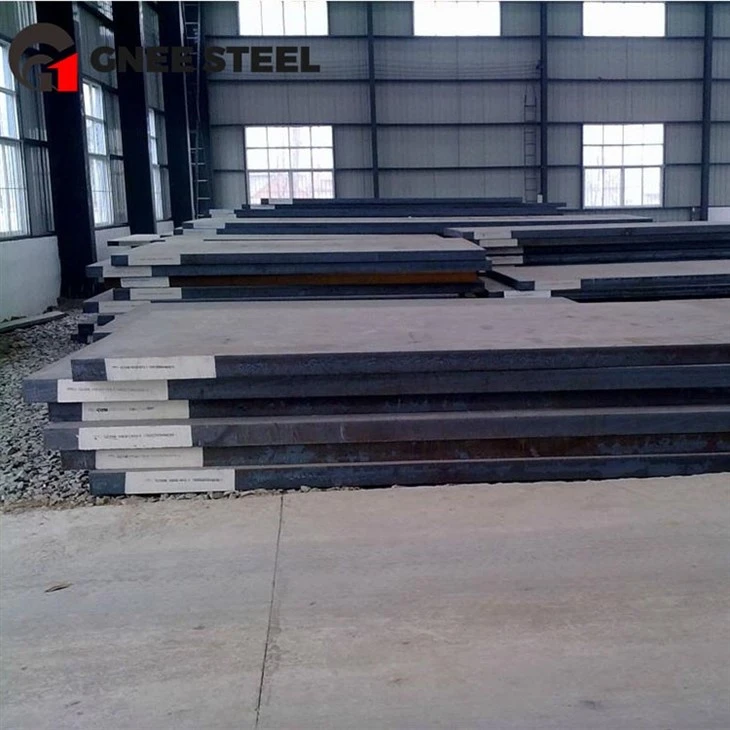
Toughness is equally important. In the harsh environments where oil and gas pipelines are often located, such as arctic regions or deep - sea areas, the steel plates need to be tough enough to resist brittle fracture. Brittle fracture can occur suddenly, especially at low temperatures, and can cause significant damage to the pipeline.
To ensure the strength and toughness of our Pressure Vessel Steel Plate, we use advanced manufacturing processes. We start with high - quality raw materials and carefully control the heat - treatment process. This helps in achieving the right balance between strength and toughness.
Corrosion Resistance
Oil and gas pipelines are constantly exposed to corrosive substances. The oil itself may contain sulfur compounds, and the gas can have acidic components. Additionally, the pipelines are often buried underground or submerged in water, where they are also exposed to soil chemicals and seawater.
Corrosion can weaken the steel plates over time, reducing their thickness and eventually leading to leaks. That's why corrosion resistance is a must - have requirement.
We offer steel plates with various corrosion - resistant coatings. For example, some of our plates are coated with epoxy, which provides a barrier between the steel and the corrosive environment. Another option is using stainless steel plates, which have inherent corrosion - resistant properties. Our Pressure Vessel Steel Sheet is available in different corrosion - resistant grades to meet the specific needs of different projects.
Weldability
Welding is an integral part of constructing oil and gas pipelines. The steel plates need to be easily weldable to ensure strong and reliable joints. Poor weldability can lead to weld defects such as cracks, porosity, and lack of fusion. These defects can compromise the integrity of the pipeline.
We test the weldability of our steel plates thoroughly. We make sure that the chemical composition of the steel is optimized for welding. For example, the carbon equivalent of the steel is carefully controlled. A high carbon equivalent can make the steel more prone to cracking during welding.
Our steel plates are designed to be compatible with different welding processes, such as shielded metal arc welding (SMAW), gas metal arc welding (GMAW), and submerged arc welding (SAW). This gives our customers the flexibility to choose the most suitable welding method for their project.
Ductility
Ductility is the ability of the steel to deform plastically before breaking. In oil and gas pipelines, ductility is important because the pipelines may experience some degree of deformation due to ground movement, thermal expansion, or other external forces.
A ductile steel plate can absorb energy during deformation without fracturing. This helps in preventing sudden failures. We ensure that our steel plates have sufficient ductility by controlling the grain size and the microstructure of the steel. A fine - grained microstructure generally leads to better ductility.
Certification and Standards
The oil and gas industry is highly regulated, and there are strict standards for pressure vessel steel plates. These standards ensure the safety and reliability of the pipelines.
Our steel plates are manufactured in accordance with international standards such as ASTM (American Society for Testing and Materials), API (American Petroleum Institute), and EN (European Norm). We also obtain relevant certifications for our products. This gives our customers the confidence that our steel plates meet the required quality and safety standards.
Quality Control
Quality control is at the heart of our operations. We have a comprehensive quality control system in place. We conduct various tests on our steel plates, including tensile tests, impact tests, hardness tests, and chemical analysis.
Tensile tests measure the strength and ductility of the steel. Impact tests evaluate the toughness of the steel, especially at low temperatures. Hardness tests help in ensuring that the steel has the right mechanical properties. Chemical analysis is used to verify the chemical composition of the steel.
We also inspect the surface of the steel plates for any defects. Any plate that does not meet our strict quality criteria is rejected. This ensures that only the highest - quality steel plates are delivered to our customers.
Customization
Every oil and gas pipeline project is unique, and our customers often have specific requirements. That's why we offer customization services. We can produce steel plates in different sizes, thicknesses, and grades according to our customers' needs.
Whether it's a small - scale pipeline project or a large - scale international project, we can tailor our products to fit the exact specifications. We work closely with our customers to understand their requirements and provide them with the best - suited steel plates.
Cost - Effectiveness
In addition to meeting all the technical requirements, cost - effectiveness is also an important consideration for our customers. We understand that the oil and gas industry is highly competitive, and our customers need to keep their costs under control.
We strive to offer high - quality steel plates at competitive prices. We achieve this through efficient production processes, bulk purchasing of raw materials, and optimizing our supply chain. This allows us to pass on the cost savings to our customers.
Environmental Considerations
With the increasing focus on environmental protection, we also take environmental considerations into account. Our manufacturing processes are designed to minimize waste and energy consumption.
We recycle the scrap steel generated during the manufacturing process. This not only reduces waste but also conserves natural resources. We also ensure that our corrosion - resistant coatings are environmentally friendly, with low levels of volatile organic compounds (VOCs).
Conclusion
In conclusion, the requirements for pressure vessel steel plates in oil and gas pipelines are quite demanding. They need to have high strength, toughness, corrosion resistance, weldability, ductility, and meet strict standards. At our company, we are committed to providing high - quality steel plates that meet all these requirements.
If you're involved in an oil and gas pipeline project and are looking for reliable pressure vessel steel plates, we'd love to hear from you. Contact us to discuss your specific needs and get a quote. We're here to help you build safe, reliable, and cost - effective oil and gas pipelines.
References
- American Society for Testing and Materials (ASTM) standards
- American Petroleum Institute (API) standards
- European Norm (EN) standards
- Technical literature on oil and gas pipeline engineering